2026 Best Hot Forging Parts for Global Buyers Guide?
In the dynamic landscape of manufacturing, understanding the best hot forging parts is crucial for global buyers. Hot forging involves shaping metal at elevated temperatures, ensuring enhanced mechanical properties. This guide aims to highlight the top hot forging parts that stand out in quality and reliability.
Choosing the right hot forging part can be daunting. Buyers must consider various factors, such as material strength, dimensional accuracy, and resistance to wear. Poor choices can lead to operational failures and increased costs. Therefore, expertise in selecting these parts becomes essential.
The global market for hot forging is evolving. Different industries require specialized components to meet their needs. From automotive to aerospace, each sector demands high-performance forging parts. This guide serves as a valuable resource, offering insights into exceptional options that align with modern manufacturing standards.
Overview of Hot Forging Process and Techniques
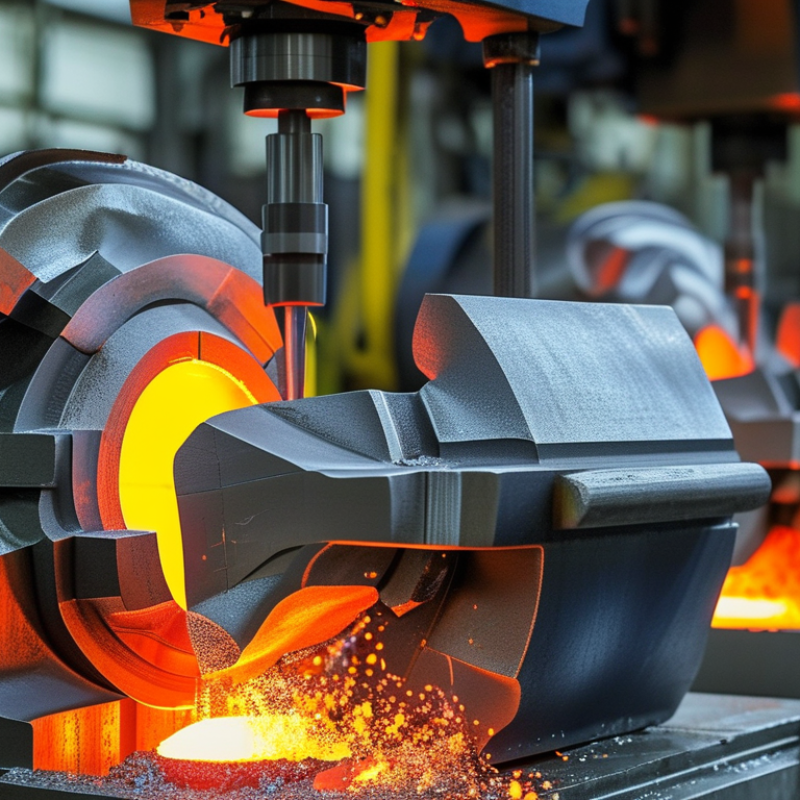
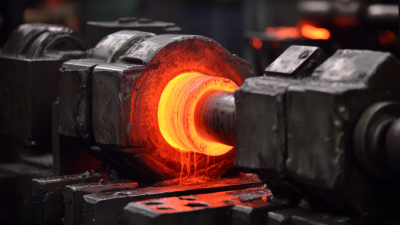
Hot forging is a widely utilized manufacturing process, known for creating strong and durable metal parts. The process involves heating metal above its recrystallization temperature and shaping it using dies. Research shows that hot forging can improve tensile strength significantly—up to 40%—compared to parts made via other methods. This leads to parts with better reliability and performance in demanding applications.
The techniques involved in hot forging can vary. Common approaches include die forging and open-die forging. The choice of technique depends on the desired properties of the final product. Data indicates that the global hot forging market is expected to reach $15 billion by 2026. This growth highlights the increasing importance of hot forged parts in industries like automotive and aerospace.
Tip: Always consider material selection carefully. Different metals respond uniquely to hot forging conditions. Understanding these differences can lead to better product outcomes.
Hot forging isn't without its challenges. The process requires precise temperature control; deviations can result in defects. Additionally, tooling costs can be high, reflecting the complexity of dies used. A careful assessment of the trade-offs is crucial to optimize production while minimizing risks.
Tip: Regular maintenance of dies is essential. This can prolong their lifespan and improve overall efficiency, directly affecting your bottom line.
Key Characteristics of High-Quality Hot Forging Parts
Hot forging parts are essential in various industries, including automotive and aerospace. High-quality components require careful attention to specific characteristics. A top-notch hot forging part typically boasts excellent strength, durability, and precision. According to a recent report by the Forging Industry Association, demand for these parts has surged, emphasizing the importance of these attributes.
Material selection plays a significant role in hot forging. Steel alloys, for instance, offer high tensile strength and can withstand extreme conditions. A study from the International Journal of Materials Research highlighted that well-forged steel can achieve strength levels up to 1200 MPa. This strength translates to better performance and longevity of the components, essential for safety-critical applications.
Precision in manufacturing is crucial. Tolerances must be tight to ensure parts fit correctly during assembly. Dimensional variance can lead to failures. However, not all manufacturers meet these strict standards. The report from the Metal Forming Association indicates that about 20% of parts fail to meet quality benchmarks, necessitating further analysis. This gap emphasizes the need for buyers to engage with reputable suppliers who prioritize high-quality standards in hot forging.
Top Global Manufacturers of Hot Forging Parts in 2026
Hot forging is a critical manufacturing process used in various industries, including automotive and aerospace. As of 2026, the demand for hot forging parts is expected to surge. Recent industry reports predict a growth rate of over 5% annually. This growth is driven by the rising need for lightweight components and increased production efficiency.
Major manufacturers around the globe are honing their skills in the hot forging sector. Many companies are investing in advanced technologies. These include automation and computer numerical control (CNC) systems. Such investments enhance precision and reduce labor costs. However, some manufacturers still face challenges. Quality control remains a persistent issue, with inconsistencies sometimes leading to increased scrap rates.
The shift towards sustainable practices is gaining momentum. Some companies are exploring eco-friendly materials for forging. Industry experts believe that future innovations will focus on reducing waste and energy consumption. Yet, there's often a gap in implementing these sustainable options. Bridging this gap is essential for industry-wide progress. As manufacturers strive for excellence, the journey is marked by both successes and necessary adjustments.
Applications and Industries Utilizing Hot Forging Parts
Hot forging parts play a crucial role across various industries. These parts are known for their strength and durability, making them ideal for high-stress applications. Industries such as automotive and aerospace heavily rely on hot forging techniques. According to recent industry reports, the global automotive market is projected to grow by 4.2% annually through 2026. This growth is directly tied to the increasing demand for high-performance forged components.
In the aerospace sector, hot forging parts are necessary for producing components that can withstand extreme conditions. Parts made through hot forging offer better performance compared to other manufacturing methods, which can be a significant advantage. Data indicates that the aerospace forging market will reach approximately $41 billion by 2025, illustrating the increasing adoption of these techniques. However, the industry still faces challenges regarding the sustainability of manufacturing processes and material wastage.
Additionally, hot forging is also extensively used in the energy sector, particularly for oil and gas applications. The need for reliable and robust components is essential to ensure safety and performance. Statistics show that globally, the demand for hot forged oil and gas components is expected to rise by 3.5% annually. Despite such positive forecasts, companies must continuously assess their manufacturing practices to enhance efficiency and reduce environmental impact. The balance between performance and sustainability remains a critical area for reflection.
2026 Best Hot Forging Parts for Global Buyers Guide
| Application |
Industry |
Material Type |
Typical Dimensions (mm) |
Key Benefits |
| Automotive Components |
Automotive |
Steel |
50-200 |
High strength, lightweight |
| Aerospace Components |
Aerospace |
Titanium |
20-100 |
Excellent corrosion resistance |
| Industrial Machinery |
Manufacturing |
Alloy Steel |
100-300 |
Durability, high load capacity |
| Construction Equipment |
Construction |
Carbon Steel |
100-250 |
Impact resistance, cost-effective |
| Railway Components |
Transportation |
High Strength Steel |
50-150 |
Safety and reliability |
Consumer Guide: Selecting the Right Hot Forging Parts for Your Needs
When selecting hot forging parts, understanding material properties is crucial. Steel alloys dominate this category, due to their strength and durability. According to a recent industry report, over 75% of hot forged components are made from steel alloys that meet specific mechanical requirements.
Buyers must consider the intended application. Lighter alloys can reduce weight but may compromise strength. Engineers often assess cost-effectiveness based on lifecycle analysis. Reviewing performance data helps predict how parts will behave under stress. Observations show that poorly selected materials can lead to failures, resulting in maintenance costs.
Quality control cannot be overlooked. It's essential to verify supplier certifications and industry standards. Many manufacturers invest in advanced testing methods to ensure reliability. Data indicates that firms with stringent quality checks report a 15% reduction in defects. Prioritizing these aspects creates a balance between performance and budget efficiency.