2026 Top Brass Forging Parts for Global Buyers Guide?
As the global market evolves, the demand for high-quality Brass Forging Parts continues to rise. Manufacturers seek reliable components to enhance their products. These parts are integral across various industries, from automotive to aerospace. Buyers must navigate numerous options and suppliers to make informed decisions.
Understanding the specifications of Brass Forging Parts is essential for effective sourcing. Buyers should consider the properties, applications, and standards. Each part must meet precise requirements to ensure functionality. This process can be overwhelming, especially for those with limited experience in metals.
The 2026 guide will help global buyers identify key suppliers and trends in the brass forging sector. It will highlight features, benefits, and potential pitfalls. This insight is crucial for making choices that align with business goals. Evaluating suppliers based on their expertise and reliability will yield better results.
Overview of Brass Forging Parts and Their Applications
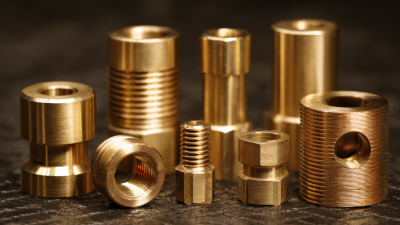
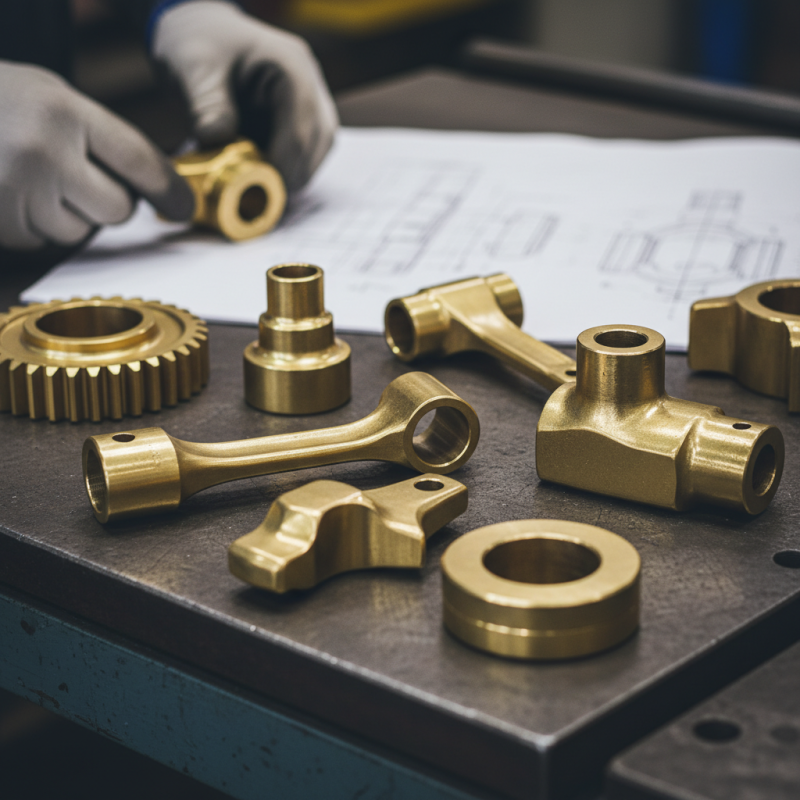
Brass forging parts are essential in numerous industries. Their applications span automotive, aerospace, and electrical fields. These components boast excellent strength, corrosion resistance, and thermal conductivity. Therefore, they are favored in environments requiring reliability and durability.
When discussing brass forging, it’s crucial to consider the precise specifications needed for your application. Each project may demand custom designs. Poor understanding of these requirements can lead to costly mistakes. It’s also vital to evaluate the quality of materials used. Subpar brass can significantly affect the performance of the final product.
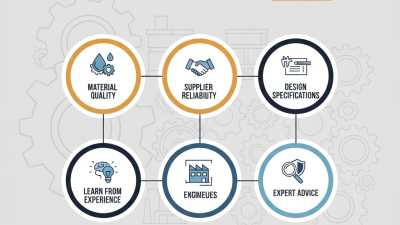
Tips: Choose suppliers with proven expertise. Always request material test reports to ensure quality. Engage with engineers to review design specifications carefully. Doing so can enhance the overall success of your project. Stay informed about industry trends and innovations to make better decisions.
Key Manufacturing Processes for Brass Forging Parts
Brass forging is an essential manufacturing process for producing intricate parts used in various industries. The technique involves shaping brass under intense pressure, leading to strong and durable components. This process requires expertise and precision to ensure the final products meet stringent specifications.
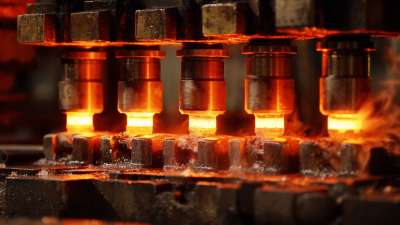
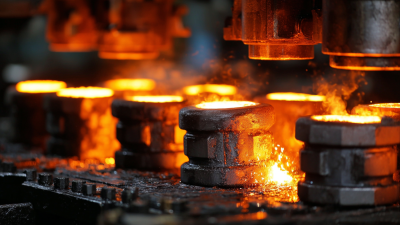
One key method in brass forging is hot forging. This involves heating the brass alloy to a temperature where it becomes malleable. The heated material is then struck or pressed into shape using specialized machinery. This results in remarkable strength and toughness in the final part. However, the process can be energy-intensive and requires careful temperature control to avoid defects.
Cold forging is another method that allows for the shaping of brass at room temperature. This approach is often used for small, precise parts. While it generally takes less energy, it can lead to increased brittleness. Manufacturers must balance the benefits and trade-offs of each forging method. Choosing the right technique is crucial for achieving optimal performance and reliability in the finished pieces.
2026 Key Manufacturing Processes for Brass Forging Parts
This chart presents the distribution of various manufacturing processes used in the production of brass forging parts, illustrating the significant share of each process in the global market.
Top Suppliers and Manufacturers of Brass Forging Components
As the demand for brass forging components continues to rise, finding reliable suppliers is crucial. Top manufacturers are focusing on quality and precision in their forging processes. Buyers need to assess not only the cost but also the supplier's expertise. This can ensure that components meet specific industry standards.
Many top manufacturers emphasize their experience in producing brass parts. They employ advanced techniques to enhance durability and functionality. However, it’s important to note that not all suppliers maintain consistent quality. Some may have variations in their production practices. Buyers should conduct thorough assessments, asking for samples and references.
Additionally, buyers should consider regional suppliers. They may offer faster shipping and better communication. Building relationships with trusted manufacturers can lead to improved service and reliability. It’s essential to reflect on past experiences and remain vigilant when choosing partners. Observing market trends can provide insights into emerging suppliers.
2026 Top Brass Forging Parts for Global Buyers Guide
| Supplier Location |
Brass Forging Component Type |
Production Capacity (tons/year) |
Certification |
Lead Time (weeks) |
| USA |
Brass Valves |
500 |
ISO 9001 |
6 |
| Germany |
Brass Fittings |
700 |
DIN EN ISO 9001 |
8 |
| China |
Brass Connectors |
1000 |
ISO 14001 |
5 |
| India |
Brass Rings |
400 |
ISO 9001 |
7 |
| Italy |
Brass Hooks |
600 |
ISO 9001, CE |
9 |
Quality Standards and Certifications in Brass Forging
In the production of brass forging parts, quality standards and certifications play a pivotal role. Various international standards, including ISO 9001, ensure that manufacturers maintain a high level of quality control. These set guidelines help buyers feel confident about the reliability of parts they purchase.
Quality assurance processes verify the performance of materials. They ensure that brass components meet exact specifications.
Certification marks serve as indicators of reliability. They provide essential information about compliance with safety and environmental standards. When selecting a supplier, buyers should consider these certifications carefully. However, not all manufacturers prioritize these standards. Some may bypass them to reduce costs. This can lead to inconsistent quality and performance issues. It’s crucial for buyers to verify that their suppliers adhere to these important guidelines.
A lack of understanding about quality standards can create misunderstandings. Buyers may assume that all parts are equal without proper certification. This misconception can lead to unforeseen challenges down the line. Engaging with knowledgeable suppliers can bridge this gap. They can explain the importance of various certifications and help buyers make informed decisions. This learning process is vital for ensuring that brass forging products meet both quality requirements and expectations.
Market Trends and Future Outlook for Brass Forging Parts
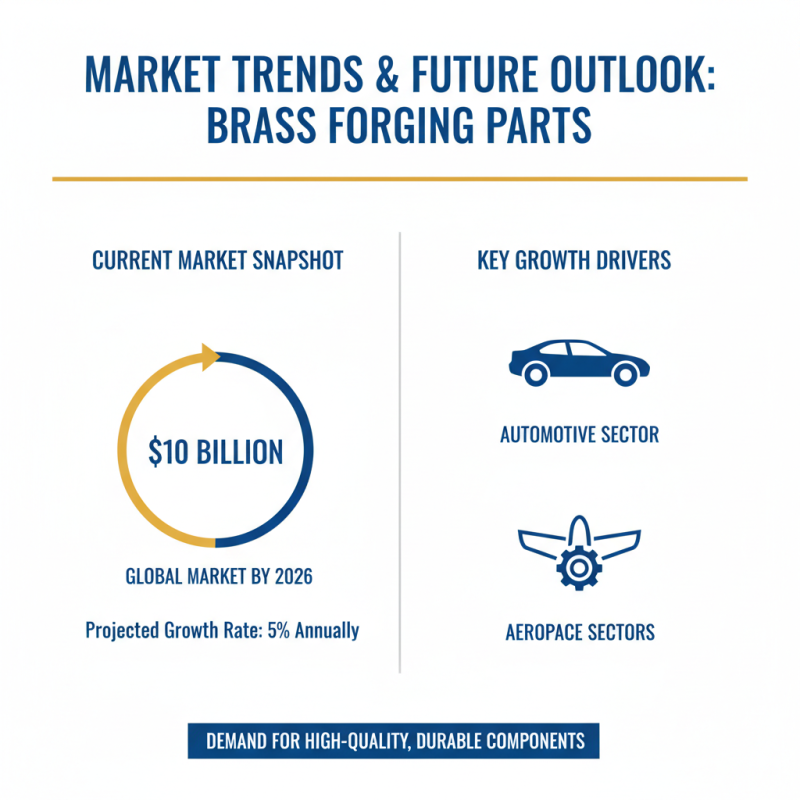
The global brass forging parts market is witnessing significant evolution. According to a recent industry report, the market is expected to reach $10 billion by 2026, reflecting a projected growth rate of 5% annually. This increased demand is driven primarily by the automotive and aerospace sectors, which require high-quality, durable components.
One notable trend is the shift towards more sustainable manufacturing processes. Companies are investing in eco-friendly technologies to reduce waste and emissions. This transition is not without challenges. The initial investment can be high, and many companies may lack the expertise needed to implement these technologies effectively. Furthermore, supply chain disruptions have caused fluctuations in raw material availability, impacting production schedules and costs.
In terms of regional outlook, Asia-Pacific emerges as a dominant force. Countries like China and India are ramping up production capabilities. However, this rapid growth raises questions about quality control and standardization. As competition intensifies, manufacturers must emphasize not only efficiency but also precision. The need for skilled labor remains critical as companies strive to maintain high standards in an evolving marketplace.