2026 Top Forged Steel Parts for Global Procurement Needs?
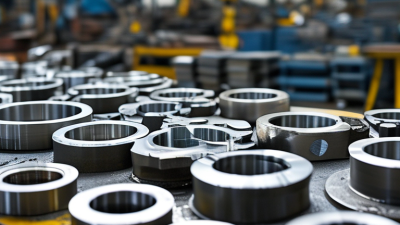
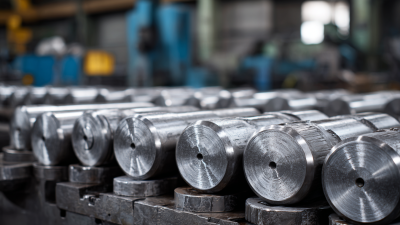
In the dynamic landscape of global manufacturing, the demand for Forged Steel Parts continues to grow. The global forged steel market is projected to reach $150 billion by 2026, driven by advancements in industries like automotive and aerospace. Forged Steel Parts offer unparalleled strength and durability, making them essential components in critical applications.
Industry reports highlight that these parts improve load-bearing capacity by 20% compared to casted components. However, manufacturers face rising material costs and supply chain challenges. The ongoing transition towards environmentally friendly production methods complicates sourcing strategies. Buyers must balance quality and cost-effectiveness while navigating these trends.
Forging technology is evolving rapidly. Innovations such as computer numerical control (CNC) machining enhance precision. Yet, some small manufacturers struggle to adopt these technologies. Without adequate investment, they risk falling behind larger competitors. Ensuring the reliability of Forged Steel Parts will be crucial, as failures can lead to significant operational disruptions.
Overview of Forged Steel Parts in Global Markets
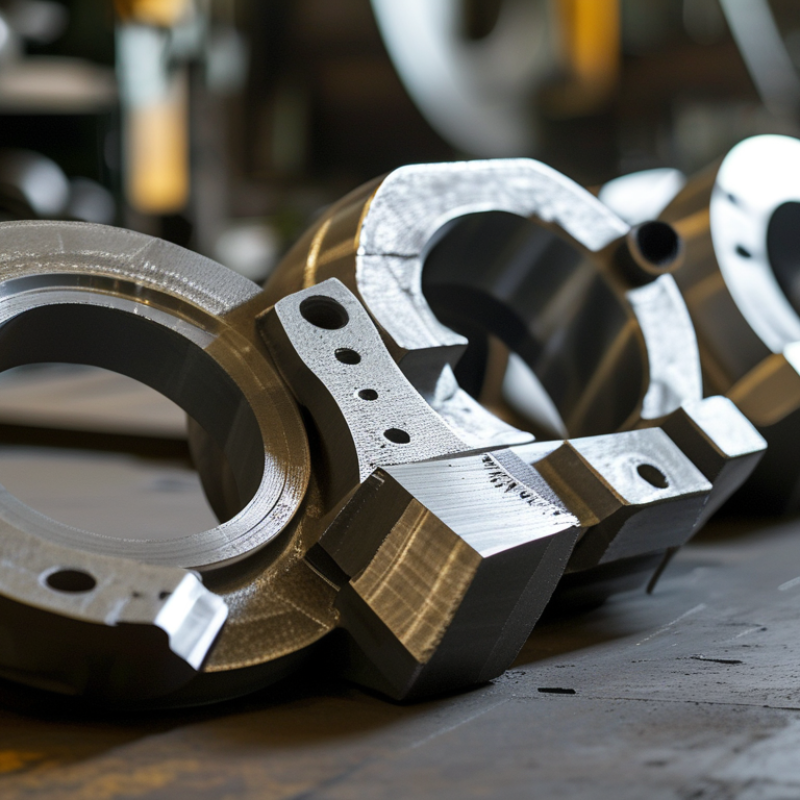
Forged steel parts play a pivotal role in various global markets, including automotive, aerospace, and industrial applications. These components are known for their durability and strength. The global demand for forged steel parts has surged, driven by advancements in manufacturing and engineering. Buyers often seek high-quality materials that ensure performance and safety. Countries like China, India, and the United States dominate production.
Despite the increased demand, variations in manufacturing processes exist. Not every manufacturer adheres to the same quality standards. This inconsistency can lead to inferior products. Moreover, global supply chains pose challenges. Costs can fluctuate due to geopolitical events and economic trends. Companies must remain vigilant and adapt to these shifts.
Additionally, the sustainability aspect of forged steel production warrants consideration. The industry faces scrutiny regarding environmental impacts. Many manufacturers are exploring eco-friendly practices, yet progress is uneven. There's a growing need for transparent sourcing and production methods. Addressing these concerns is vital for long-term growth in the forged steel sector.
Key Benefits of Forged Steel Parts for Manufacturers
Forged steel parts are becoming essential in numerous manufacturing sectors. They offer unmatched strength and durability, crucial for high-performance applications. According to a recent industry report, forged steel components can withstand stresses that are 20% greater than those made from cast steel. This characteristic ensures that manufacturers achieve longer-lasting products.
The advantages of forged steel also extend to cost efficiency. Despite the initial expense, the resilience of forged parts leads to lower lifecycle costs. A study highlights that companies can save up to 30% on maintenance through the use of forged components. Moreover, since these parts have fewer defects, production downtime can be significantly minimized.
However, incorporating forged steel poses challenges. Manufacturers must evaluate their entire supply chain. Acquiring high-quality forged parts may be limited by local suppliers. Additionally, the skills required for proper integration and maintenance of forged components are often scarce. Thus, companies must invest in training or outsourcing expertise to maximize their benefits. Balancing the advantages with these challenges is essential for sustainable growth.
Top Industries Utilizing Forged Steel Components
Forged steel components play a crucial role in various industries.
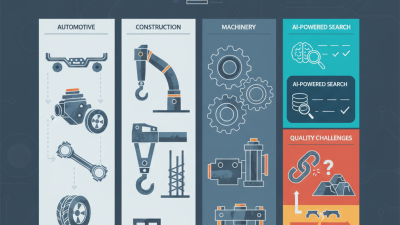
The automotive sector is a key user, relying on these parts for durability and strength.
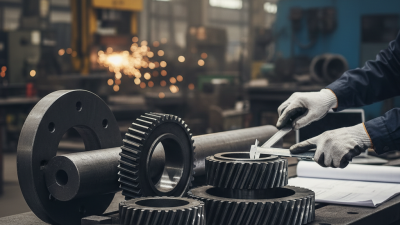
Engine components, gears, and shafts often utilize forged steel for enhanced performance.
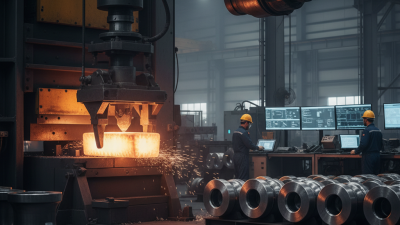
The high temperatures and pressures during forging result in a refined grain structure, leading to exceptional mechanical properties.
The aerospace industry also benefits significantly from forged steel parts.
These components must withstand extreme conditions and fatigue.
Forged steel's excellent reliability makes it suitable for landing gear, turbine blades, and other critical applications.
Aviation safety relies heavily on the integrity of these parts.
However, not every forged steel product meets every need.
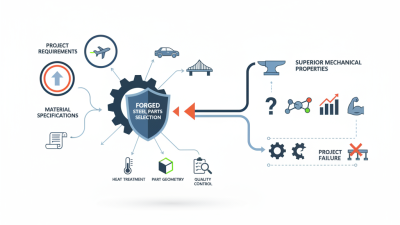
Quality control and specification compliance are essential.
Inconsistent manufacturing processes can lead to flaws.
Industries must prioritize supplier reliability to ensure optimum performance.
Ultimately, the sector's growth depends on continuous improvement and adaptation to technological advancements.
2026 Forecast: Trends in Forged Steel Procurement
The trend of forged steel procurement is evolving rapidly as we approach 2026. Industry reports indicate a projected growth rate of 4.5% annually in the global forged steel market. This stems largely from the booming automotive and construction sectors, which increasingly rely on high-strength components. As manufacturers seek durable and lightweight materials, forged steel has emerged as a preferred choice due to its superior mechanical properties.
Strategic procurement will face challenges, particularly regarding supply chain reliability. A recent survey highlighted that 70% of procurement managers cite supply chain disruptions as a significant concern for 2026. Furthermore, fluctuating raw material costs could impact pricing strategies. Companies must reassess their supplier networks to mitigate risks. Diversification of suppliers and investing in technology for better forecasting can help address these challenges.
Shifts in regional demand are also noteworthy. The Asia-Pacific region is set to dominate the forged steel market, fueled by rapid industrialization. However, this growth may lead to saturation in some areas. Therefore, firms must stay agile, adjusting their procurement strategies to align with market dynamics. The focus on sustainable practices and recycling will likely influence procurement decisions, pushing companies to reconsider traditional sourcing methods.
Leading Global Suppliers of Forged Steel Parts
As the global demand for forged steel parts surges, selecting reliable suppliers is essential. According to a recent industry report, the forged steel market is projected to reach $60 billion by 2026. This growth is driven by sectors like automotive and aerospace, which require high-strength materials. The steel forging process contributes to superior mechanical properties, making it a preferred choice for critical applications.
Leading suppliers are optimizing their operations and investing in advanced technology. Companies are focusing on the production of custom parts while ensuring quality control. Data indicates that approximately 75% of manufacturers emphasize supply chain transparency and sustainability. This shift reflects a growing awareness about the environmental impact of production processes. However, challenges remain in balancing cost-efficiency with these new demands.
Additionally, the competition among global suppliers is intensifying. Diverse geographical regions offer unique advantages. For instance, countries in Asia are known for cost-effective manufacturing, while Europe excels in precision engineering. Each region presents complexities that require careful consideration. Suppliers must navigate these differences to meet varied procurement needs effectively. Such dynamics foster an environment ripe for innovation, yet they also prompt reflection on best practices in supplier relationship management.