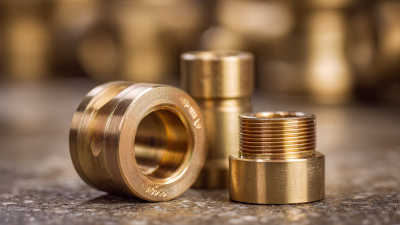
Top 10 Benefits of Brass Forging Parts for Global Buyers?
Brass Forging Parts play a crucial role in various industries. Their strength, durability, and corrosion resistance make them a preferred choice for manufacturers worldwide. These parts are created through a forging process, which enhances their robust qualities.
Global buyers benefit significantly from using Brass Forging Parts. They offer improved performance and longer lifespans compared to other materials. The versatility of brass also allows for numerous applications, from automotive to plumbing. However, buyers must consider factors like sourcing and quality control.
Despite their advantages, not all brass parts are created equal. It’s essential to work with experienced suppliers who prioritize quality and reliability. This necessitates research and careful selection. Understanding the specific needs of your projects can lead to more informed decisions. The benefits of Brass Forging Parts can be immense, but recognizing potential pitfalls is just as important.
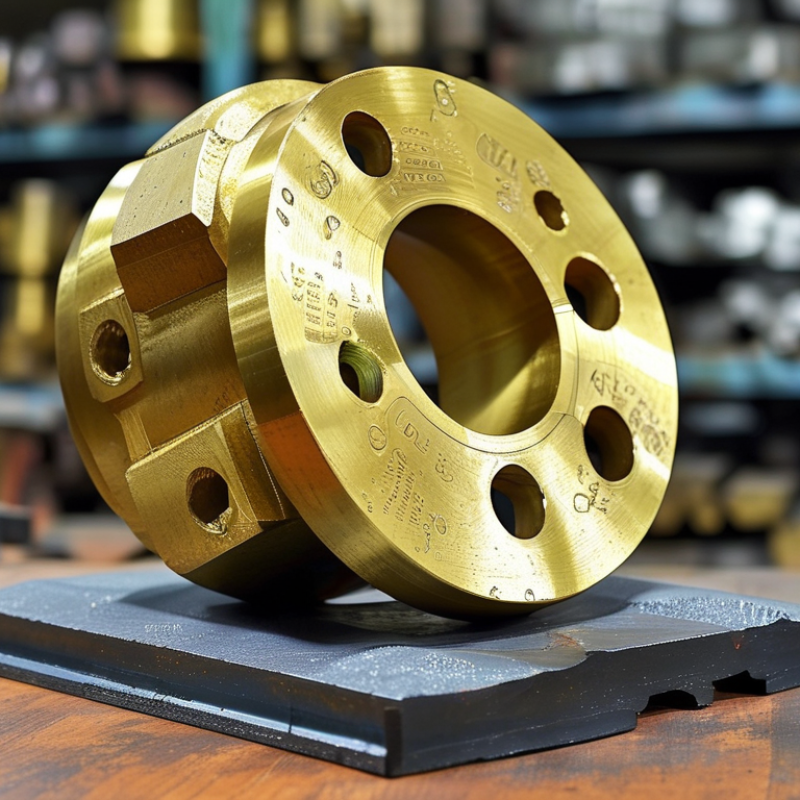
Advantages of Brass Forging in Manufacturing Industry
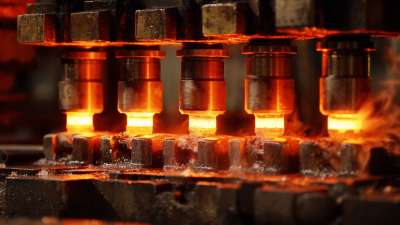
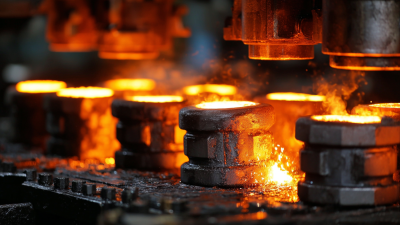
Brass forging is a noteworthy process in the manufacturing industry. It offers numerous advantages over other methods. The strength and durability of forged brass parts are well-recognized. This results in improved performance for various applications. Brass is a versatile alloy, which means it can meet a wide range of requirements.
The forging process enhances the physical properties of brass. It leads to superior grain structure and increased density. These traits contribute to improved resistance to wear and corrosion. This makes brass forging ideal for components in outdoor or industrial settings. Ensuring longevity is crucial, particularly in demanding applications.
Tips: Always evaluate the specific application needs before choosing material. Consider the environmental factors impacting performance. Conduct thorough research to ensure the forging method aligns with industry standards. Maintaining quality control during production is essential. Inadequate oversight can lead to flaws, impacting functionality.
Brass forging may not always be the most cost-effective option. The initial investment can be high compared to casting. Buyers should weigh long-term gains against initial costs. Seeking input from industry experts can lead to better decisions. Understanding the drawbacks is just as important as recognizing the benefits.
Durability and Strength of Brass Forged Components
Brass forged components offer notable durability and strength, making them a reliable choice for various applications. Research indicates that forged brass parts can have a tensile strength of up to 750 MPa. This high strength means they withstand significant stress, making them ideal for industries where durability is crucial.
Forging aligns the grain structure, enhancing mechanical properties. This results in components that can last longer under harsh conditions.
Additionally, brass alloys provide excellent corrosion resistance. Data shows that brass can resist corrosion up to 10 times better than many steel types. This characteristic is vital in environments exposed to moisture or chemicals. Companies rely on brass parts to reduce maintenance costs over time.
Despite these advantages, one should analyze the specific application requirements. Not all brass alloys are created equal, and some may not perform as expected under extreme conditions. Therefore, selecting the correct alloy and forging process is essential to maximize performance.
Cost-Effectiveness of Brass Forging for Buyers
Brass forging offers notable cost-effectiveness for global buyers.
According to a recent industry report, forged brass components can reduce production costs
by up to 30% compared to traditional machining methods.
This significant saving results from the lower waste material and streamlined production processes.
Additionally, the durability of forged brass parts leads to longer lifespans.
Reports indicate that well-forged brass can endure higher stress and wear than cast or machined components.
Consequently, manufacturers enjoy reduced replacement and maintenance costs, enhancing overall operational efficiency.
The initial investment may seem high, but the long-term savings are undeniable.
Buyers also appreciate the versatile applications of brass forging.
It can be molded into various shapes and sizes, accommodating specific design needs.
This flexibility can lead to innovative solutions without incurring hefty expenses.
However, buyers must evaluate the trade-offs in custom tooling costs versus expected production runs.
Engaging with experts can provide clearer insights into ideal strategies for their unique requirements.
Corrosion Resistance of Brass Forged Parts
Brass forged parts are notable for their exceptional corrosion resistance. This characteristic is vital in various industries where exposure to moisture and harsh environments is common. Unlike many other metals, brass has a natural ability to withstand corrosion. Its unique alloy composition reduces oxidation, ensuring longevity in applications such as plumbing and marine equipment.
Moreover, the durability of brass forged parts translates to cost savings for global buyers. By reducing the frequency of replacements, businesses can save significantly. However, users must also consider that not all brass alloys offer the same level of corrosion resistance. It's essential to select the right type based on specific environmental conditions.
Testing and quality assurance are crucial in this process. Some brass components may not perform as expected under extreme conditions. Every project requires careful evaluation. Factors such as temperature, humidity, and chemical exposure can significantly impact the performance of brass parts. Buyers should engage with experts to discuss the best options for their needs.
Top 10 Benefits of Brass Forging Parts for Global Buyers
Customization and Versatility of Brass Forging Solutions
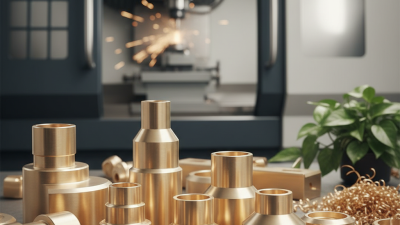
Brass forging parts offer immense customization and versatility for various industries. Buyers often seek tailored solutions that meet specific requirements. This could involve varying dimensions, intricate designs, and unique mechanical properties. Customization allows companies to optimize performance and enhance product longevity. Each forged component can be designed to fit distinct applications, driving efficiency in production processes.
Moreover, the versatility of brass makes it a popular choice across many sectors. It combines strength and ductility, enabling intricate shapes without compromising durability. For example, automotive parts made from brass withstand the wear and tear of daily use. However, the customization process may have its challenges. Sourcing the right materials and ensuring precise fabrication requires expertise. Many buyers grapple with finding the balance between customization needs and manufacturing feasibility.
Additionally, not all customization options yield the desired results. Some designs may face limitations when executing due to machining complexity. It requires careful planning and constant communication with manufacturers. Nonetheless, the ability to create tailored brass solutions significantly outweighs these challenges. Companies that invest in well-designed forging processes can realize tremendous benefits over time.