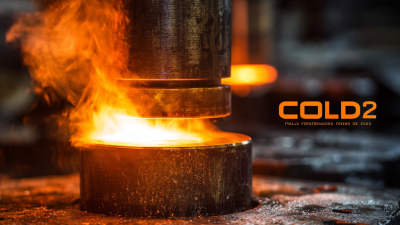
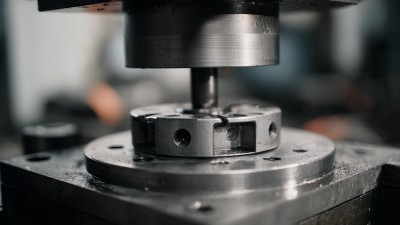
Top 10 Benefits of Using Cold Forging Die for Your Business?
In today's competitive manufacturing landscape, the choice of using a Cold Forging Die can significantly impact operational efficiency and product quality. Industry reports show that companies utilizing cold forging processes can reduce material waste by up to 30%. This establishes cold forging as a preferred method, particularly for complex shapes and high-strength components.
Cold Forging Die technology offers unique advantages. It enables manufacturers to achieve precise tolerances and a superior surface finish. According to recent studies, businesses have experienced production speed increases of nearly 50% when employing cold forged parts. This technology ensures reduced energy consumption during production, aligning with global sustainability goals.
However, not all companies fully embrace these benefits. Some may underestimate the initial investment or overlook potential long-term gains. Awareness of the Cold Forging Die advantages is crucial for staying competitive. Companies need reflection on their current methods to realize the transformative potential of integrating these advanced dies into their production.
Benefits of Cold Forging Die in Enhancing Production Efficiency
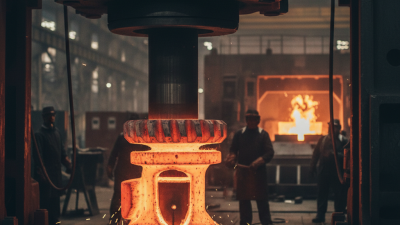
Cold forging die plays a significant role in enhancing production efficiency across various industries. This process involves shaping metal at room temperature, resulting in better material properties. Studies show that cold forging can improve tensile strength by 10% to 30%. This property helps in producing durable and reliable components, leading to longer product lifespans.
Moreover, cold forging reduces material waste. Traditional machining creates scraps that waste raw materials. In contrast, about 80% of the initial metal can be transformed into usable product through forging. This efficiency results in lower costs and a more sustainable manufacturing process. Reports indicate that businesses can save up to 20% on material expenses by adopting cold forging techniques.
Another aspect to consider is production speed. Cold forging is faster than many traditional methods. For instance, processes can be 5 to 10 times quicker than machining. This rapid production rate allows companies to meet increasing market demands effectively. However, the setup and tooling can be capital-intensive. Some businesses may need time to evaluate the initial investment versus long-term benefits. Understanding these dynamics is essential for informed decision-making.
Cost Savings Through Reduced Material Waste with Cold Forging Die
Cold forging die technology offers significant cost savings by reducing material waste. According to industry reports, traditional forging methods can result in up to 30% material waste. In stark contrast, cold forging minimizes this waste to as low as 5%. This reduction is primarily due to enhanced material utilization. The near-net-shape capabilities of cold forging allow for precise dimensions, thus requiring less machining afterward.
Furthermore, a study by the American Society of Mechanical Engineers noted that cold forging can lead to lower energy consumption. The process utilizes cooler temperatures and shorter cycle times, which not only conserves energy but also further reduces costs. Companies implementing cold forging reported savings of up to 20% on their overall manufacturing expenses. This is a compelling reason to consider adopting this method.
While the benefits are clear, companies must also reflect on the initial investment in cold forging technology. The equipment can be expensive, and not all production runs may justify the switch. It’s important to analyze your specific production needs and weigh the upfront costs against the long-term savings. Adopting new technology requires careful consideration to ensure it aligns with your operational goals.
Improved Product Quality and Precision with Cold Forging Techniques
Cold forging is renowned for its ability to enhance product quality and precision. The process produces components with tighter tolerances and improved surface finishes. According to industry reports, parts made through cold forging exhibit a reduction in variability by over 30% compared to traditional methods. This means fewer defects and better performance in applications.
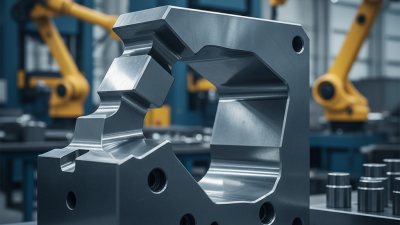
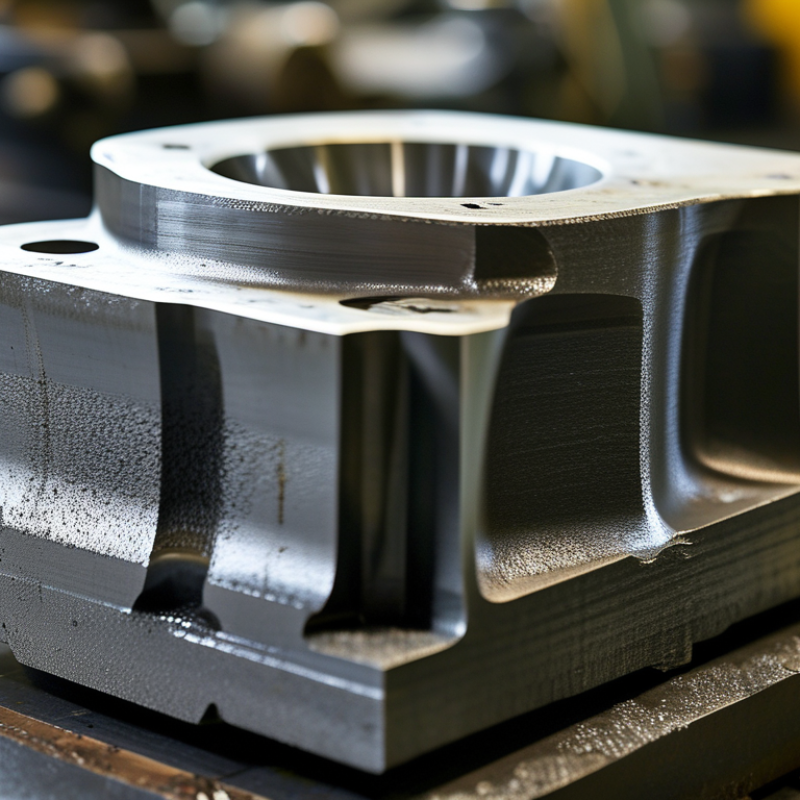
The die used in cold forging is crucial. Precision-engineered dies maintain consistent shapes, ensuring that every part produced meets strict specifications. The tight fit between the die and the workpiece can improve material flow, resulting in fewer weak spots. This is particularly important in automotive and aerospace applications, where part integrity is non-negotiable.
**Tip:** Regularly inspect and maintain your forging dies. Small wear or damage can lead to significant deviations in product quality.
Even with its advantages, cold forging does have its challenges. The initial setup of the die can be time-consuming and costly. Moreover, changes in design require meticulous adjustments to the die, which may delay production. Organizations must weigh these factors against potential long-term gains in efficiency and quality.
**Tip:** Assess the design of components early. Engaging with your engineering team can prevent unnecessary rework on dies.
Top 10 Benefits of Using Cold Forging Die for Your Business
Increased Flexibility in Design Options Using Cold Forging Dies
Cold forging offers significant design flexibility for manufacturers. Using cold forging dies enables precise shaping of materials at lower temperatures. This method can produce intricate and complex shapes that hot forging cannot achieve. According to a report by the Forging Industry Association, about 70% of manufacturers report improved design capabilities when using cold forging techniques.
The flexibility of cold forging lies in its ability to work with a variety of metals. Steel, aluminum, and titanium can all be processed effectively. This diversity allows engineers to innovate without the usual constraints imposed by traditional forging processes. Furthermore, a study from the American Society of Mechanical Engineers shows that around 60% of companies experienced reduced lead times for new product designs.
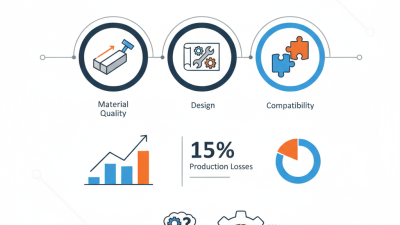
Tips: Always consider the compatibility of materials. Ensure you choose the right metal for your specific application. It's crucial to consult with experienced engineers. They provide insights that can help navigate the complexities of cold forging.
Experimenting with various die designs can lead to better results. However, not every design will yield the desired outcome. Regularly evaluating your approach will help you refine your processes. Emphasizing feedback loops can significantly enhance the design phase.
Boosting Production Speed and Output with Cold Forging Methods
Cold forging methods have gained significant traction in modern manufacturing due to their ability to boost production speed and output. Unlike traditional methods, cold forging creates parts at room temperature, which preserves material integrity. This process allows manufacturers to create more precise and stronger components, enhancing overall quality.
One of the notable aspects of cold forging is the reduction in waste material. By using a die to shape the metal, manufacturers can achieve near-net shape components. This efficiency not only saves materials but also reduces production time. Increased precision translates to fewer defects and a more streamlined assembly process. With the right techniques, businesses can see a considerable decrease in lead times, providing a competitive edge in their respective markets.
Despite these benefits, the initial investment in cold forging dies can be substantial. Businesses must assess their production needs and financial capabilities before committing to this method. Companies need to find the right balance between cost and efficiency. A thorough understanding of the cold forging process is critical for maximizing its advantages while minimizing potential drawbacks. Adopting cold forging requires ongoing evaluation and refinement of techniques to stay ahead in the industry.
Top 10 Benefits of Using Cold Forging Die for Your Business
| Benefit |
Description |
Impact on Production |
| Higher Strength Components |
Cold forging produces parts with greater strength due to the refined grain structure. |
Enhances durability and performance in applications. |
| Cost Efficiency |
Reduces material waste and lowers production costs compared to traditional methods. |
Increases overall profit margins. |
| Improved Dimensional Accuracy |
Cold forging allows for very tight tolerances, improving part fit. |
Reduces rework and waste. |
| Faster Production Rates |
Cold forging processes are generally faster than machining for high volume runs. |
Increases throughput and productivity. |
| Surface Finish Quality |
Cold forged parts typically have a smoother surface finish, eliminating the need for additional processes. |
Saves time and reduces finishing costs. |
| Versatile Material Use |
Can be applied to a variety of metals including steel, aluminum, and titanium. |
Expands product range possibilities. |
| Environmentally Friendly |
Reduced energy consumption and less scrap metal production make it eco-friendly. |
Aligns with sustainability goals. |
| Increased Material Utilization |
Maximizes the use of raw materials with minimal waste during production. |
Improves profit margins. |
| Lower Labor Costs |
Automation in cold forging reduces the need for manual labor. |
Cuts labor expenses significantly. |
| Enhanced Safety |
Cold forging is generally safer for workers due to lower temperatures involved. |
Creates a safer working environment. |