Leave Your Message
Choosing an overseas auto parts supplier involves more than comparing unit prices. Buyers must check product fitment, material specifications, packaging, order minimums, and delivery estimates. A brake component may look correct in a catalog but still require confirmation against the vehicle’s exact model and year. Small details matter.
This guide to 10 Best Other Auto Parts Suppliers for Global Buyers introduces companies serving different sourcing needs, from replacement components to workshop essentials. “Other Auto Parts” covers a broad range, so supplier strengths can vary by product category, production capacity, and export experience. There is no single best choice for every buyer.
Look for clear product data, responsive technical support, documented quality procedures, and realistic lead times. Ask how samples are handled, what inspection records are available, and how damaged or incorrect orders are resolved. A polished catalog is not proof of dependable supply. Nor is a low quote always a bargain. Freight, duties, and inconsistent specifications can change the real cost.
The suppliers featured here provide a starting point, not a guarantee. Verify current capabilities directly, request written terms, and compare equivalent products before placing a larger order. It takes extra work. That is easy to underestimate. Supplier information and stock can change, and even careful checks may leave questions unanswered. Use the comparison to narrow your options, then assess each company against your own vehicles, market, and purchasing requirements.
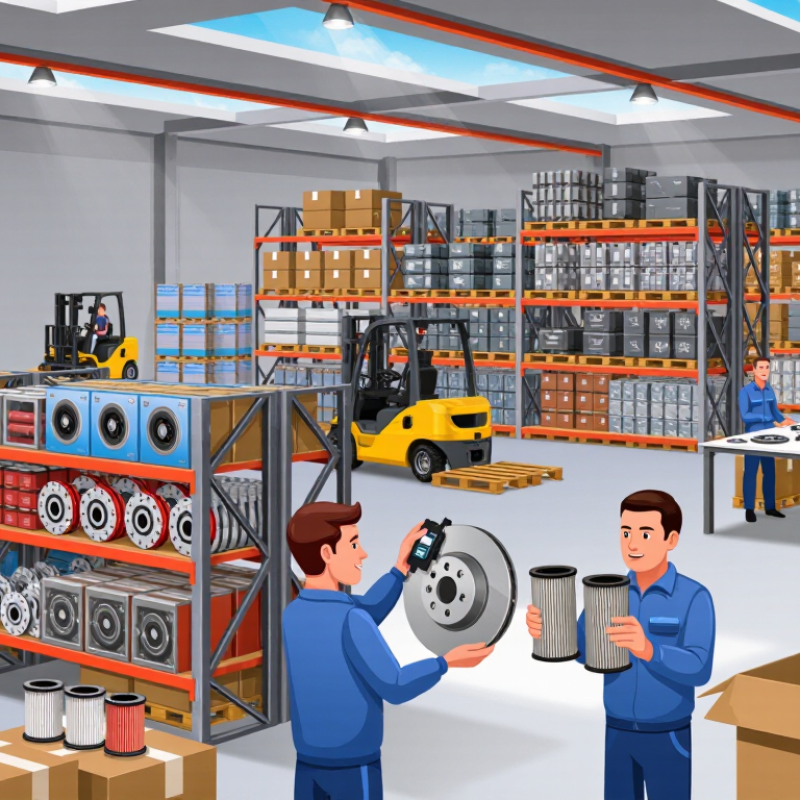
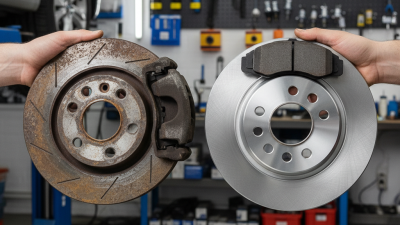
Independent auto parts suppliers connect manufacturers, distributors, repair shops, and fleet operators across a fragmented supply chain. Their role is not simply to offer another source for replacement parts. They help buyers compare specifications, locate less common components, manage order quantities, and coordinate delivery across markets. Fitment matters. A brake component that looks correct may still differ by model year, engine, or vehicle configuration. Suppliers with detailed catalog data and responsive technical support can reduce costly ordering errors.
The market also rewards careful sourcing. S&P Global Mobility reported that the average age of vehicles in the United States reached 12.6 years in 2024. Older vehicles often need replacement parts for longer, creating steady demand for reliable aftermarket supply. That figure describes one market, not the whole world. Global buyers still need to check local vehicle preferences, shipping times, and documentation requirements. A low quote can be misleading if packaging is weak or delivery dates keep changing. Ask for clear product specifications, quality records, warranty terms, and realistic lead times before placing repeat orders. Even then, supplier claims deserve verification; paperwork can look complete while leaving practical questions unanswered.
| Supplier Type | Typical Products | Role in the Supply Chain | Potential Advantage | Buyer Due Diligence |
|---|---|---|---|---|
| Independent aftermarket distributors | Replacement parts across multiple vehicle systems, such as filters, brakes, suspension, and electrical components | Source products from multiple manufacturers and supply repair shops, retailers, and importers | Broad catalog and the option to consolidate orders from different product lines | Check catalog coverage, stock availability, warranty terms, and vehicle-fitment data |
| Specialist component manufacturers | Parts focused on a particular system, such as cooling, steering, braking, or engine components | Develop or produce components for a defined technical category | Category-specific expertise and a more focused product range | Review engineering specifications, quality-control records, testing evidence, and applicable certifications |
| Remanufacturers | Reconditioned alternators, starters, steering components, turbochargers, and other eligible assemblies | Restore used components to a specified operating condition and return them to the replacement-parts market | Can provide an alternative to purchasing a new assembly; some programs use returnable cores | Confirm remanufacturing standards, inspection scope, warranty coverage, and core-return requirements |
| Automotive recyclers and salvage suppliers | Used parts recovered from end-of-life or damaged vehicles | Recover, identify, and resell reusable components from donor vehicles | May offer hard-to-source or discontinued components, depending on vehicle availability | Verify donor-vehicle details, part condition, traceability, return policy, and export restrictions |
| Private-label parts suppliers | Replacement parts produced for sale under a buyer’s own label | Coordinate product sourcing, packaging, and labeling for importers or distributors | Can support a buyer’s own product range and packaging requirements | Clarify manufacturing origin, intellectual-property rights, labeling rules, quality controls, and minimum order quantities |
| Regional wholesalers | Fast-moving maintenance and repair parts selected for a particular market | Hold inventory close to local repair, retail, or distribution networks | Local availability can shorten replenishment time for commonly stocked items | Assess inventory accuracy, delivery coverage, local tax documentation, and after-sales support |
| Online parts marketplaces | Listings from multiple independent sellers, including new, used, and remanufactured parts | Connect buyers with a range of sellers through a digital catalog or transaction platform | Offers a way to compare availability and product details across different sellers | Check seller verification, listing accuracy, payment protection, shipping terms, and dispute procedures |
| Fleet-focused parts suppliers | Maintenance items and replacement components for commercial vehicles and vehicle fleets | Support repeat purchasing and maintenance planning for operators managing multiple vehicles | May provide consolidated ordering, scheduled replenishment, or fleet-oriented catalog support | Confirm coverage for the fleet’s vehicle mix, service levels, delivery schedules, and account terms |
| OE-surplus and excess-inventory sellers | Unused, overstock, or discontinued inventory from production and distribution channels | Make surplus stock available outside its original sales channel | May provide access to new parts that are difficult to find through regular distribution | Verify stock condition, packaging, production date, provenance, warranty, and remaining quantity |
| Export-oriented parts consolidators | Mixed categories of automotive parts assembled into shipments for overseas buyers | Coordinate sourcing, order consolidation, export paperwork, and international freight | Can simplify purchasing when an order includes products from multiple sources | Agree on inspection standards, customs documentation, Incoterms, packaging, and responsibility for freight claims |
Buyer note: Supplier types are presented for comparison, not as a ranked list of named companies. Product availability, regulatory requirements, fitment, and warranty terms vary by market and supplier.