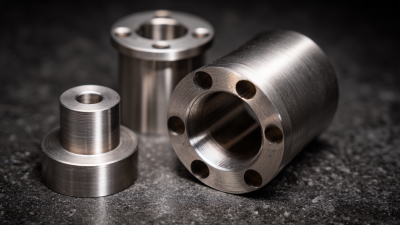
Best Cold Heading Die Suppliers for Global Buyers?
Cold Heading Die is a crucial component in the manufacturing industry. These dies shape and form metal into precise parts. Selecting the right supplier can significantly influence production quality and efficiency.
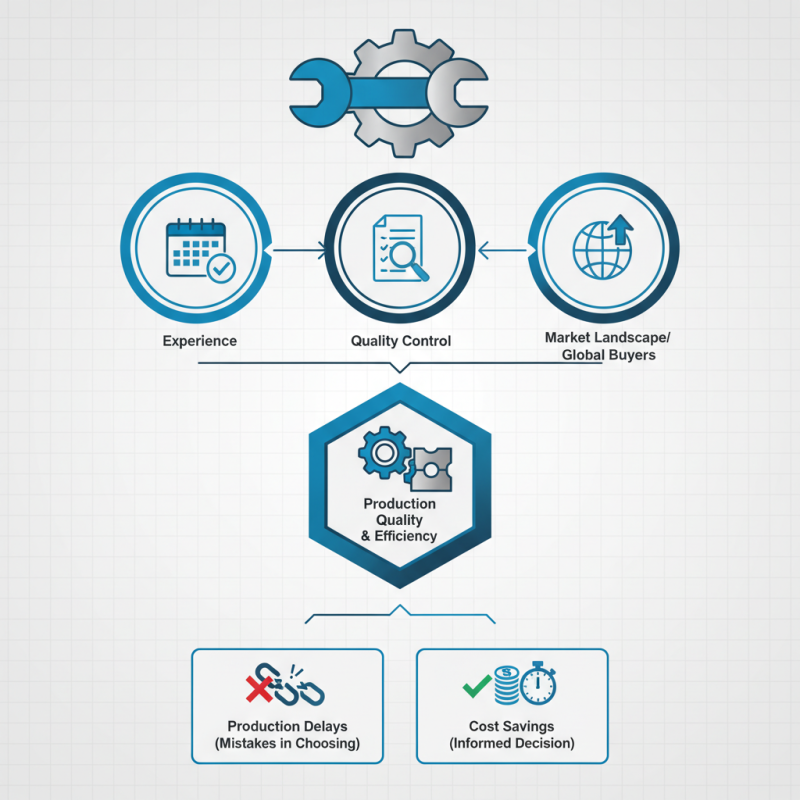
Buyers should focus on several factors when searching for Cold Heading Die suppliers. Experience in the industry matters. A supplier with a proven track record is more likely to meet expectations. Quality control processes also play a vital role. Reliable suppliers ensure consistent results and minimize defects.
It's essential to understand the market landscape. Buyers may find that not all suppliers offer the same level of expertise. Research and comparisons are necessary. Mistakes in choosing a supplier can lead to production delays. Investing time in this decision can save costs in the long run.
Best Cold Heading Die Suppliers: An Overview of Global Players
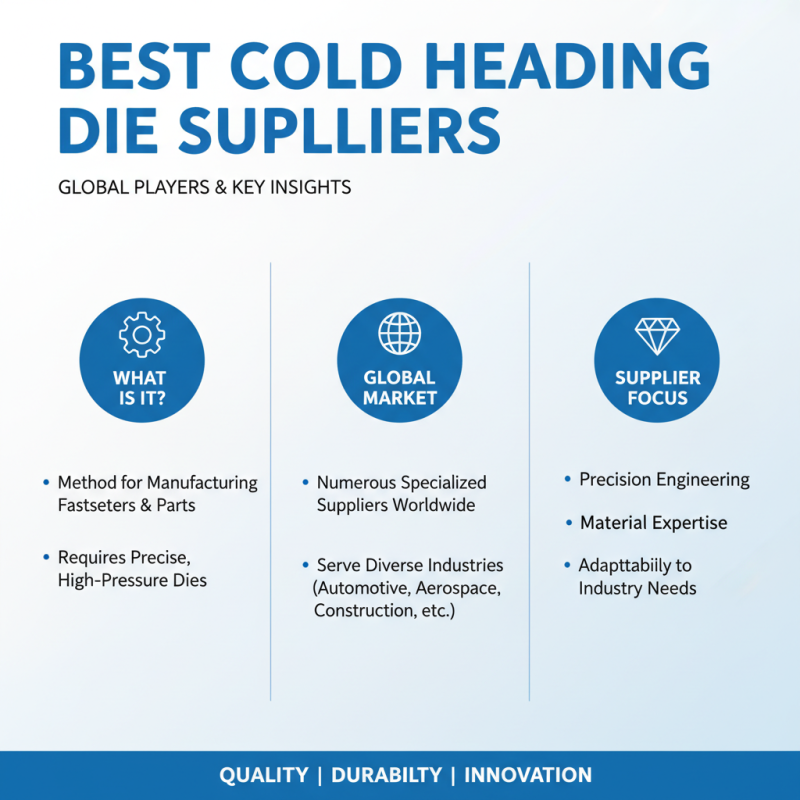
Cold heading is a popular method for manufacturing fasteners and parts. It requires precise dies that can withstand high pressure. Many suppliers specialize in this area, serving global markets. These companies must understand the diverse needs of various industries.
The best suppliers often have decades of experience. They employ skilled engineers who design dies tailored to specific applications. Quality control is a priority, ensuring that each die meets rigorous standards. Yet, even industry leaders face challenges. Innovations in materials and techniques can disrupt their processes. Some suppliers struggle to keep up with evolving market demands.
Reliability is crucial when selecting a supplier. Buyers look for partners who can deliver consistently high-quality products. Availability of technical support also influences choices. Companies must consider the supplier’s ability to provide timely service and repair. As the global competition intensifies, finding the right partner becomes increasingly complex. Selecting a cold heading die supplier is a multifaceted decision that requires careful evaluation.
Market Dynamics: Demand Trends in Cold Heading Die Manufacturing
The cold heading die manufacturing market shows notable growth driven by increasing demand across various industries. According to a recent industry report, the global market for cold heading dies is expected to reach USD 1.2 billion by 2027. This reflects a compound annual growth rate (CAGR) of 5.2%. The rising automotive production and expanding electronics sectors are key factors propelling this demand.
In recent years, the trend has shifted towards more advanced materials and manufacturing techniques. Many suppliers are investing in innovative technologies to enhance product durability and precision. Experts indicate that dies made from high-speed steel and carbide are gaining popularity. This shift is influenced by the need for higher efficiency and cost-effectiveness in manufacturing processes. However, some manufacturers face challenges in sourcing quality raw materials, which can affect production timelines.
The competitive landscape is continuously evolving. While established suppliers maintain a strong foothold, newer entrants are introducing alternative solutions. This fragmentation can pose difficulties for global buyers. They may struggle to identify reliable sources amid varying quality standards. Furthermore, the fluctuations in raw material prices create obstacles for maintaining stable pricing in the market. As demand surges, companies must navigate these complexities to ensure sustainable growth and address customer needs effectively.
Top Global Suppliers: Metrics and Performance Analysis
When analyzing the best cold heading die suppliers, metrics and performance stand out. According to a recent industry report, over 60% of buyers prioritize suppliers based on production efficiency. This metric reflects a supplier's ability to meet demand consistently. Many manufacturers also focus on lead times. A swift response can enhance customer satisfaction significantly.
A survey revealed that 40% of suppliers struggle with maintaining quality standards during production. This inconsistency can lead to defects and increased costs. Buyers need to look for suppliers with robust quality assurance processes. Moreover, suppliers that invest in advanced technology often outperform their competitors. There's a clear correlation between technological investment and product quality.
In addition, geographical factors play a crucial role. Suppliers located near major markets tend to provide better logistics and reduced shipping costs. Additionally, understanding regional compliance regulations is essential. Many suppliers fail to adapt, leading to complications in international contracts and delivery timelines. Evaluating these factors provides buyers with a solid foundation for making informed decisions.
Innovations in Cold Heading Dies: Technological Advances and Leaders
Cold heading die technology has seen remarkable advances in recent years. As manufacturers strive for efficiency, innovative designs are emerging to improve productivity. These advancements often include tools that enhance precision and reduce waste during the production process. Quality materials are selected to withstand extreme conditions, thereby extending tool life significantly.
Automated systems are now integrated into cold heading processes, providing consistency and speed. Real-time monitoring allows for immediate adjustments to maintain quality. However, not all manufacturers invest in these technologies, which can lead to varied outcomes. Some companies still rely on older techniques that may not meet current industry standards. This inconsistency raises questions about reliability among suppliers.
While innovations are essential, their adoption isn't universal. Education about these technological changes is crucial for buyers. Understanding which innovations contribute to quality and efficiency can be challenging. The cold heading die market remains competitive, and staying informed about advancements is vital for making effective purchasing decisions.
Global Trade: Insights on Cold Heading Die Supply Chains and Logistics
The cold heading die industry is a vital part of manufacturing. This process creates fasteners like bolts and screws, ensuring precision and efficiency. Recent studies indicate that the global cold heading die market is projected to grow at a CAGR of 5.2% from 2021 to 2027. This growth reflects an increasing demand across various sectors, such as automotive and aerospace.
Logistics play a crucial role in this supply chain. The location of suppliers can greatly impact lead times and costs. Many suppliers are strategically positioned near manufacturing hubs to minimize delays. However, disruptions caused by global events, like the pandemic, highlighted vulnerabilities. For instance, a survey showed that 63% of manufacturers experienced delays due to supply chain inefficiencies.
Moreover, the shift towards sustainable practices is reshaping procurement strategies. Buyers are increasingly considering suppliers that prioritize eco-friendly production methods. But reliable sourcing remains a challenge. The need for quality assurance alongside sustainability can complicate the decision-making process for buyers. This multifaceted dynamic requires careful evaluation of not just product quality but also the logistics involved in delivery and support services.
Best Cold Heading Die Suppliers for Global Buyers
| Supplier Location |
Annual Production Capacity (Units) |
Export Markets |
Lead Time (Weeks) |
Quality Certification |
| North America |
500,000 |
USA, Canada, Mexico |
6 |
ISO 9001 |
| Europe |
300,000 |
Germany, France, UK |
4 |
CE Mark |
| Asia |
1,000,000 |
China, Japan, South Korea |
8 |
ISO 9001, ISO 14001 |
| South America |
200,000 |
Brazil, Argentina, Chile |
7 |
ISO 9001 |