China Best Forged Cylinders Quality and Applications Explained?
Forged cylinders play a crucial role in various industries. Their strength and durability make them suitable for heavy-duty applications. These cylinders are created through a process that enhances their mechanical properties.
In China, manufacturers specialize in producing high-quality forged cylinders. Their expertise ensures that these products meet rigorous safety and performance standards. Despite their benefits, not all forged cylinders are created equal. Quality can vary significantly between manufacturers.
Choosing the right supplier is essential. Factors like material quality, processing methods, and customer reviews can influence your decision. It's important to reflect on your specific needs and challenges. Opting for a reliable manufacturer can lead to long-term satisfaction.
Overview of Forged Cylinders: Definition and Manufacturing Process
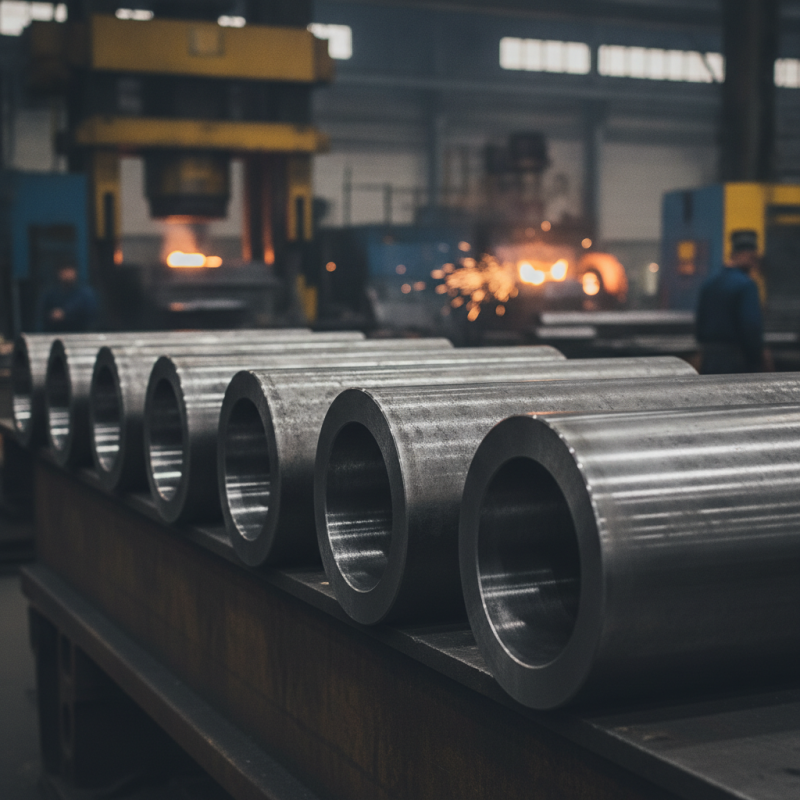
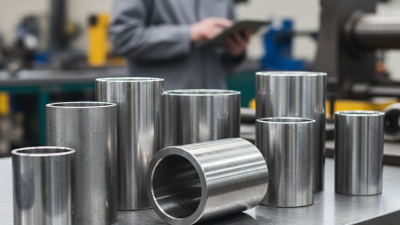
Forged cylinders are essential components in various industries. They are created through a process that involves heating metal and shaping it under pressure. This method enhances the material's strength, making it ideal for demanding applications. The forging process typically starts with high-quality steel or alloy, which is heated to a specific temperature. The heated material is then shaped using hammers or presses.
The manufacturing process includes several steps. It begins with material selection and heating. Next, the metal is deformed into a rough shape before undergoing further refinement. Each stage requires precision and expert knowledge. Improper techniques can lead to defects, affecting the cylinder's performance. Quality control is crucial. Each forged cylinder is tested for durability and resistance.
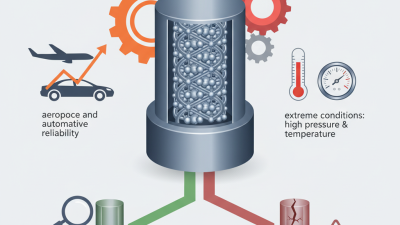
Forged cylinders find applications in many fields. They are used in automotive, aerospace, and industrial machinery. Their strength and reliability make them preferable for high-stress environments. However, not all forged cylinders are created equal. Some may fail to meet necessary standards, leading to safety concerns. It is essential for manufacturers to maintain strict quality controls throughout the entire forging process. This commitment to excellence ensures that forged cylinders perform reliably over time.
Key Specifications for High-Quality Forged Cylinders in Industry
When discussing high-quality forged cylinders, key specifications matter deeply. Forged cylinders are crucial in various industries, particularly in automotive and aerospace sectors. They must withstand high temperatures and pressures, making material quality essential. Common materials used include carbon steel and alloy steel. These materials provide strength and durability.
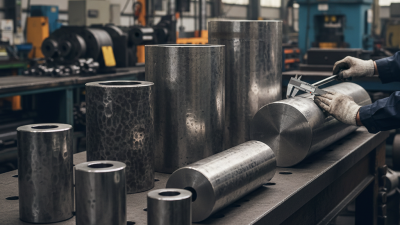
Precision is a key factor in crafting forged cylinders. Tolerances must be closely maintained throughout the manufacturing process. This ensures that the final product fits perfectly in its application. Surface finish also plays a role; a smooth finish can enhance performance and lifespan. Moreover, manufacturers often test cylinders under extreme conditions to ensure reliability.
It can be challenging to maintain these specifications consistently. Variations in temperature during forging can affect the final product. Quality control measures, like regular inspections, are vital but not always perfect. Human error can occur during measurements, leading to potential flaws. Manufacturers must continuously improve their processes and address these shortcomings to meet industry standards effectively.
China Best Forged Cylinders Quality and Applications Explained
| Specification |
Description |
Application |
Material Options |
| Diameter |
Typically ranges from 50 mm to 200 mm |
Used in hydraulic systems |
Carbon Steel, Alloy Steel |
| Thickness |
Standard thickness of 5 mm to 20 mm |
For high-pressure applications |
Stainless Steel |
| Length |
Can vary, typically from 100 mm to 1000 mm |
Automotive and aerospace |
Aluminum, Titanium |
| Surface Treatment |
Common treatments include shot peening and anodizing |
Enhances fatigue resistance |
Various coatings available |
| Testing Standards |
Must meet ISO 9001 and ASTM standards |
Quality assurance for industries |
Material certifications available |
Applications of Forged Cylinders in Various Sectors: Automotive to Aerospace
Forged cylinders are essential components widely used in various industries. In the automotive sector, they provide robust performance for engine components. The Society of Automotive Engineers states that forged products often exhibit up to 25% higher fatigue resistance than cast materials. This reliability is critical, especially in high-stress applications.
In aerospace, forged cylinders play a crucial role. They endure extreme stress and temperature variations. According to a recent industry report, 70% of aircraft engines now utilize forged parts. These cylinders ensure enhanced safety and efficiency. The manufacturing process enhances their mechanical properties, making them preferred for critical applications.
However, challenges remain. Poor quality forging can lead to defects, affecting performance and safety. Quality assurance measures are vital but sometimes overlooked. Regular inspections and adherence to standards are necessary to mitigate these risks. The industry must prioritize these aspects to improve reliability and performance.
Comparative Analysis: Forged Cylinders vs. Other Cylinder Types
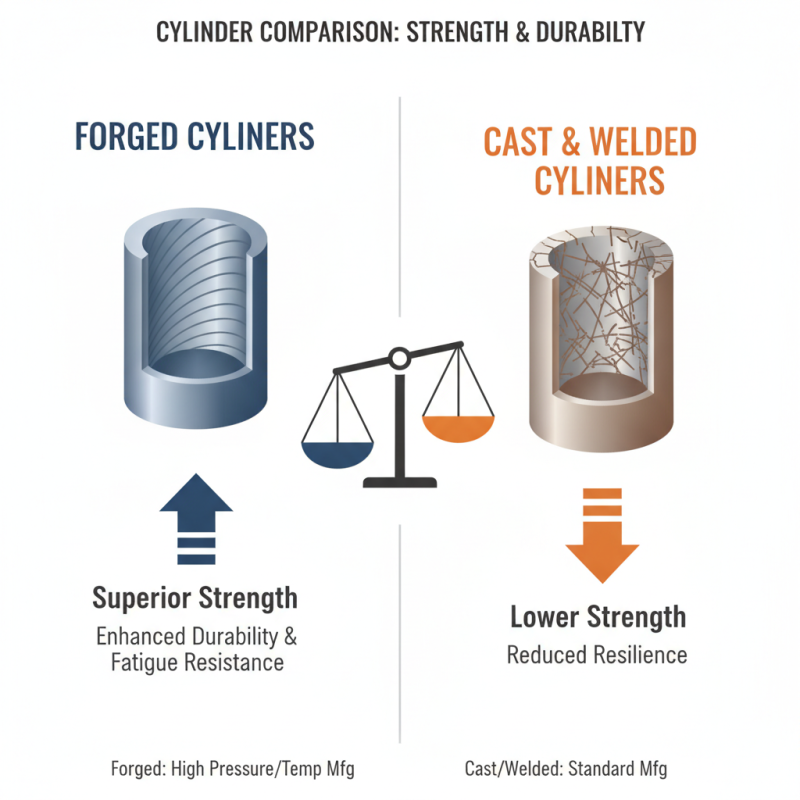
When comparing forged cylinders to other cylinder types, several factors emerge. Forged cylinders offer superior strength due to the high pressure and temperature they endure during manufacturing. This process aligns the grain structure of the metal. As a result, they exhibit enhanced fatigue resistance and durability. In contrast, cast or welded cylinders may not provide the same level of resilience.
Tips: Look for specific performance metrics when choosing a cylinder type. Strength-to-weight ratios can significantly influence your decision. Always review material specifications.
Another critical aspect is cost. Forged cylinders often come with a higher initial price tag. However, their longevity can lead to cost savings over time. Implementing forged cylinders might reduce replacement frequency. Conversely, other cylinder types can be less expensive upfront but may require more frequent maintenance and replacements.
Tips: Perform a lifecycle cost analysis. It helps to quantify long-term versus short-term investments effectively. Weighing these costs against performance reliability is essential for informed decision-making.
While forged cylinders excel in high-demand applications, their production leads to increased waste. Reflecting on the environmental aspects of manufacturing is necessary. Balance performance needs with sustainability goals.
Quality Standards and Testing Methods for Forged Cylinder Durability
Understanding the quality standards for forged cylinders is critical in various applications. Quality assurance involves stringent testing methods to ensure durability and performance. The American Society for Testing and Materials (ASTM) provides pivotal standards, emphasizing parameters like tensile strength and impact resistance. According to a 2022 industry report, forged cylinders can yield a tensile strength exceeding 1000 MPa, a testament to their reliability.
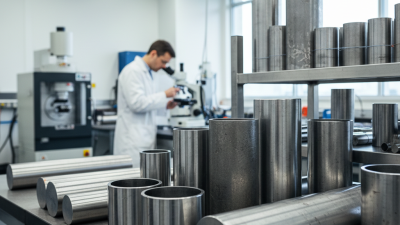
Testing involves various techniques, including non-destructive testing (NDT) and hardness testing. These methods can identify potential weaknesses. It’s essential to regularly engage in thorough inspections to avoid unforeseen failures. Don't overlook the importance of utilizing certified testing facilities. Relying solely on in-house evaluations may reduce objectivity.
**Tip:** Always verify the credibility of the testing laboratory. Quality reports should be transparent and easily accessible. Red flags include vague results or unverified credentials.
In forged cylinder manufacturing, defects like micro-cracks or inconsistent material properties may occur. Regular audits and adherence to quality standards can mitigate these issues. Continuous improvement is key to enhancing the durability and longevity of these components. Understanding these aspects will help industries select the right products for demanding applications.