How to Choose the Best Forged Steel Parts for Your Project?
Choosing the best forged steel parts is crucial for the success of any engineering project. According to industry expert, John Smith, “High-quality forged steel parts are the backbone of durable machinery.” His insights underline the importance of selecting components that ensure both reliability and performance.
Forged steel parts are known for their strength and durability. They undergo a rigorous manufacturing process that enhances their structural integrity. However, not all forged steel parts are created equal. Understanding the specific requirements of your project is essential before making a choice.
The market offers various options, but the selection can be overwhelming. Factors such as material grade and heat treatment can influence the performance of forged steel parts. It's vital to research reputable suppliers who prioritize quality. Not every manufacturer is reliable, so due diligence is necessary. In the end, the right choice can lead to remarkable results, while a poor selection can compromise your project.
Understanding Forged Steel Parts and Their Applications
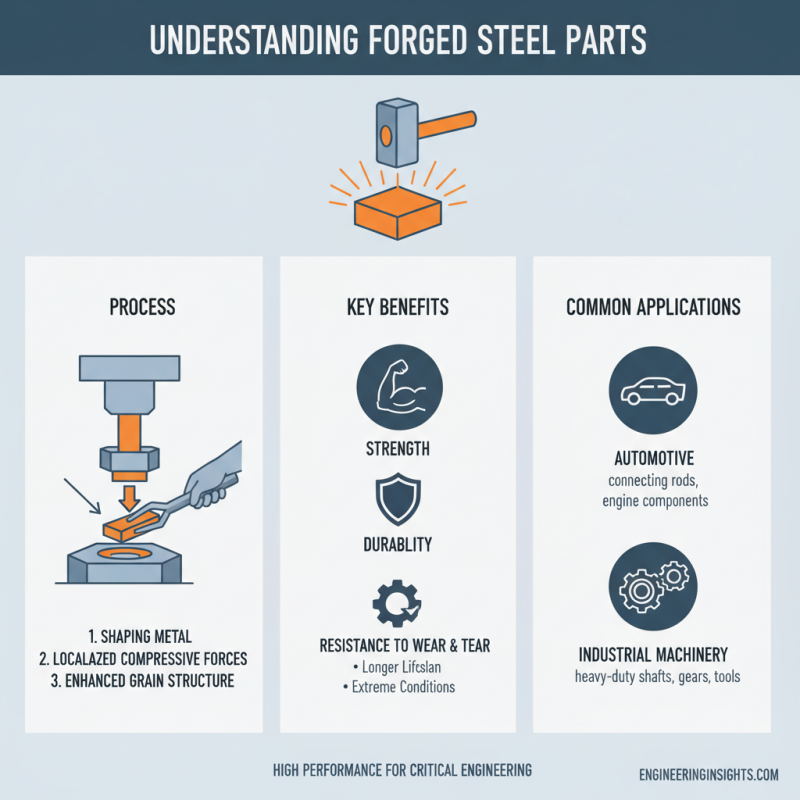
Understanding forged steel parts is crucial for any engineering project. These components are created through a process that involves shaping metal using localized compressive forces. This technique offers enhanced strength, durability, and resistance to wear and tear. Common applications include automotive, aerospace, and industrial machinery, where high performance is needed.
When selecting forged steel parts, consider the specific needs of your project. It's essential to evaluate the mechanical properties required, such as tensile strength and fatigue resistance. Different grades of steel can impact these attributes. Misjudging this can lead to project failures.
Tips: Always consult with engineers familiar with the material science of metals. They can offer insights tailored to your specific application. Don’t overlook the importance of heat treatment, as it can significantly alter the performance of forged steel parts. This step often is neglected, yet it can make a noticeable difference in durability.
Key Factors to Consider When Selecting Forged Steel Parts
When selecting forged steel parts for your project, it's vital to consider several key factors. The material's grade is crucial. According to industry reports, high-quality forged steel can enhance strength and durability. For instance, conventional carbon steels like ASTM A36 offer good weldability. Meanwhile, alloy steels, such as ASTM 516, display improved toughness. This type of steel is often better suited for demanding applications.
Another crucial aspect is the manufacturing process. Forging improves grain structure and aligns metal fibers, providing better mechanical properties. Research indicates that properly forged components can exhibit a 30% increase in strength over cast counterparts. Pay attention to the supplier's capability in quality control. Ensure they meet certifications such as ISO 9001 for reliable manufacturing standards.
Don't overlook the design considerations. The complexity of the part impacts its performance. Simple shapes may reduce costs and production time, while intricate designs might require advanced forging techniques. For example, a complex geometry can expose weaknesses in material performance. Assessing these factors is essential for ensuring the parts will meet operational demands. Balancing performance and cost can be challenging, but it is necessary for long-term project success.
Evaluating Quality and Performance Standards for Forged Steel
When evaluating quality and performance standards for forged steel parts, consider the material properties that define durability and strength. Forged steel is known for its impressive mechanical characteristics. High tensile strength and impact resistance are crucial factors. Look for parts that have undergone heat treatment, enhancing their properties. Hardness tests and yield strength measurements can provide insights into the material's reliability.
Certification is key. Manufacturers should comply with industry standards like ASTM or ISO. These standards ensure consistent quality across all products. Checking for third-party testing can add an extra layer of assurance. However, independent testing might come with its challenges, sometimes leading to inconsistencies in results.
Additionally, remember that forging techniques affect performance. Different methods yield various properties. Research the process used for your specific parts. Often, not all forged steel parts meet the same performance expectations. Understanding these nuances can significantly impact your project's outcome. Look for detailed documentation from suppliers to help inform your decisions. Knowing which parameters matter most to your applications can guide you in choosing the optimal forged steel parts.
Comparing Cost and Value of Different Forged Steel Sources
When considering forged steel parts, understanding cost versus value is critical. A 2021 report from the Manufacturing Institute revealed that sourcing forged steel from reputable suppliers can result in cost savings of up to 20% over poor-quality alternatives. While lower prices may seem tempting, they often lead to higher failure rates and increased lifecycle costs.
Many manufacturers overlook the importance of material certification. Parts from reliable sources provide assurance of quality, significantly reducing risks. Suppliers that follow ISO 9001 standards ensure critical controls during forging, heat treatment, and inspection processes. This reduces the likelihood of defects that can compromise performance and lead to costly project delays.
Price isn’t the only factor. The longevity of forged parts is paramount. Research indicates that well-forged components can last twice as long as inferior options. Therefore, chasing the lowest price might lead to higher long-term costs. Make sure to evaluate suppliers on their reputation, quality assurance practices, and past performance. Balancing initial costs with potential savings is essential for effective project planning.
Cost Comparison of Different Forged Steel Sources
Common Mistakes to Avoid When Choosing Forged Steel Parts
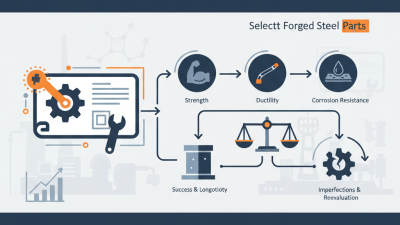
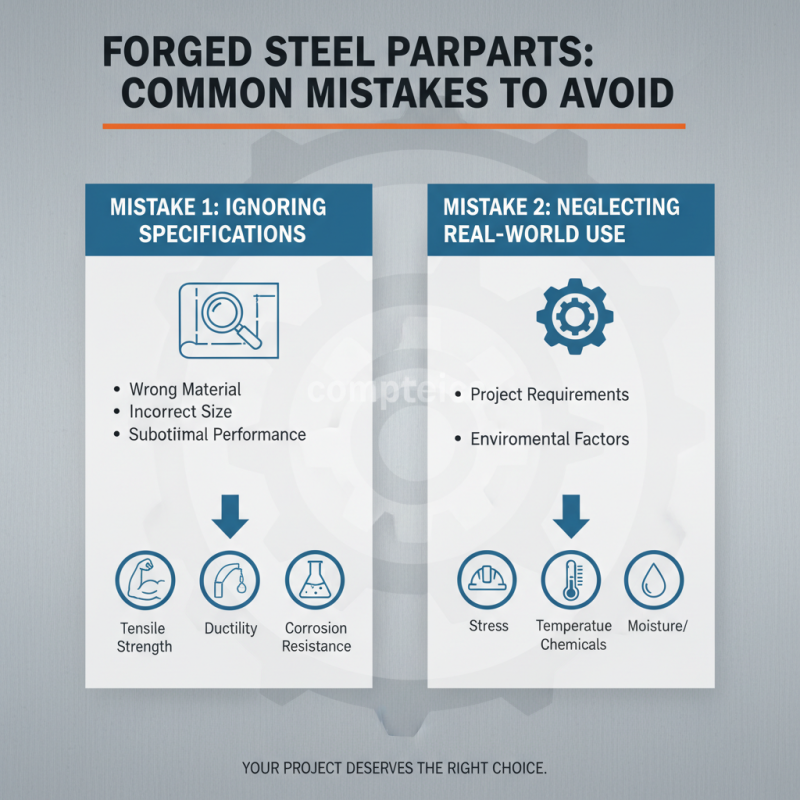
When selecting forged steel parts for your project, avoid common pitfalls. One major mistake is overlooking the specifications. Each project has unique demands. Ignoring these can lead to choosing the wrong material or size. Ensure you understand the required tensile strength, ductility, and corrosion resistance. These factors are crucial for the part’s performance in real-world conditions.
Another frequent oversight is not evaluating the manufacturer’s credibility. Not all suppliers adhere to quality standards. Research their background, and look for certifications. Poor quality parts can compromise safety drastically. Moreover, don’t rush the analysis of forged vs. cast options. Forged parts typically offer superior strength and durability. However, they might be more expensive. Consider the trade-offs carefully.
It's also essential to involve engineers and designers in the decision-making process. Their insights can reveal critical aspects you may overlook. Reflecting on previous experiences is equally important. If a past project suffered due to poor material choices, learn from that. Embrace collaboration and thorough analysis to avoid these mistakes.