How to Choose the Right Brass Forging Parts for Your Project?
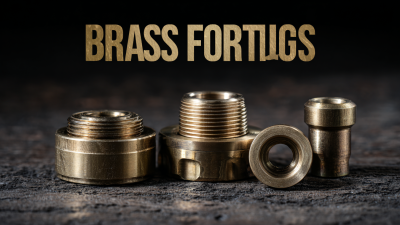
When embarking on a project that requires durability and aesthetic appeal, selecting the right Brass Forging Parts becomes crucial. Brass, known for its excellent corrosion resistance and workability, offers various options for different applications. These parts can enhance the functionality and longevity of your project, whether it's in plumbing, automotive, or decorative elements.
However, the decision-making process can be daunting. With numerous specifications and qualities to consider, it’s easy to feel overwhelmed. Every project has unique demands, and not all brass forging parts will meet your specific needs. A choice made without careful consideration may lead to functionality issues and higher costs down the line. Think about the weight, strength, and finish of each part. Form meets function in a delicate balance.
Choosing wisely means understanding the project’s requirements thoroughly. Each project tells a story through its components. Take your time to reflect on what you really need. Explore options, weigh pros and cons, and remember that sometimes, the best choice isn't the most expensive one. The right Brass Forging Parts not only fulfill specifications but also elevate your project’s success.
Understanding the Basics of Brass Forging Parts
Brass forging parts are widely used in various industries. Understanding their basics is crucial for any project. Brass is an alloy of copper and zinc. It offers excellent corrosion resistance and conductivity. As a result, it is preferred for electrical, plumbing, and automotive applications. According to a recent industry report, the global brass forging market is expected to grow by 4.5% annually. This growth is driven by the increasing demand for durable and reliable components.
When selecting brass forging parts, consider the specifications. Different grades of brass exist, such as C36000 or C26000. Each has unique properties that affect strength and machinability. A poorly chosen grade can lead to failure in applications. For example, C36000 has high ductility, making it ideal for precision parts. However, its strength is lower compared to other options.
Another point to reflect on is the manufacturing process. Forging can produce complex shapes and improve material properties. However, not all suppliers meet the same standards. A study showed that 30% of manufacturers lacked adequate quality control. This inconsistency can result in defects. Therefore, investigating suppliers is essential for project success. Always ask for certifications and production processes. This ensures the parts will meet required performance criteria.
Identifying Key Specifications for Your Project Needs
When selecting brass forging parts, it's crucial to pinpoint the specifications that align with your project's needs. One significant aspect is the material grade. Brass comes in various compositions. For example, C36000 offers excellent machinability, commonly used in precision applications. According to a recent industry report, nearly 70% of engineers prefer this grade for its durability and cost-effectiveness.
Another key specification is the size and dimensional tolerance required. Often, components must fit precisely into assemblies. A tolerance of +/- 0.005 inches is often standard in many applications. However, achieving this precision can be a challenge in forging. Rigid tolerances may require secondary operations that increase both time and cost. Furthermore, neglecting to define these details upfront can lead to compatibility issues later.
Surface finish is also vital. Depending on the application, a specific finish might be needed. For instance, a mirror finish may be required in high-visibility areas. Yet, achieving such a finish often involves additional processing steps. This can complicate timelines and budgets. Engineers should carefully weigh these decisions. In many cases, overlooking these specifications results in project delays or functionality problems. These complexities highlight the need for thorough planning and a focused approach to specifications.
How to Choose the Right Brass Forging Parts for Your Project? - Identifying Key Specifications for Your Project Needs
| Specification |
Importance |
Recommendation |
| Material Grade |
High - Affects strength and corrosion resistance |
Choose based on environmental factors and load requirements |
| Dimensions |
High - Critical for fit and function |
Use CAD models to confirm measurements |
| Tolerances |
Medium - Affects assembly and performance |
Specify tolerances based on application precision |
| Surface Treatment |
Medium - Improves durability and appearance |
Consider coatings or finishes suitable for the environment |
| Quantity |
High - Influences overall cost and lead time |
Order in bulk to reduce unit costs |
| Testing & Certification |
High - Ensures compliance and reliability |
Request certifications for material and processes |
Evaluating Different Types of Brass Alloys Available
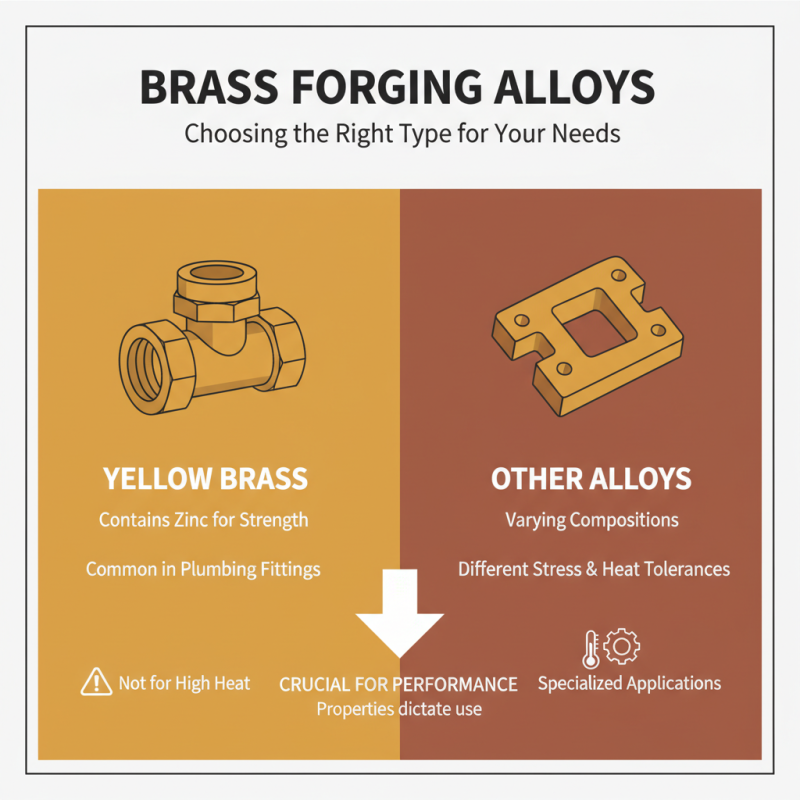
When selecting brass forging parts, the type of brass alloy is crucial. Various brass alloys have unique properties. Each alloy performs differently under stress and heat. For example, yellow brass contains zinc for strength. It is often used in plumbing fittings. However, it might not be the best choice for high-temperature applications.
Another option is red brass, rich in copper and tin. This alloy provides excellent corrosion resistance. It stands up well in marine environments. But, it can be more expensive than other alloys. Evaluate the cost versus performance for your project needs. Consider where the parts will be used. Specific conditions can affect longevity and functionality.
Finally, be aware that selecting an alloy requires careful thought. Not all options are suitable for every project. Choose wisely, as you may end up with parts that fail prematurely. Take time to understand each alloy's properties. This reflection can lead to better decision-making down the road.
Assessing Production Methods and Capabilities
When selecting brass forging parts, understanding production methods is crucial. The industry's data reveals that over 70% of manufacturing defects arise from subpar forging techniques. This highlights the significance of assessing the capabilities of your supplier. Are they using state-of-the-art machinery? Do they have experience in high-quality brass alloys?
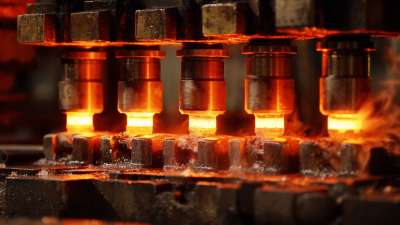
Forging methods can greatly impact the final product. Hot forging is often preferred for its strength. It can produce intricately shaped pieces. Reports suggest that companies using precision forging techniques have a 30% higher success rate in meeting specs. On the other hand, cold forging may offer lower costs, but it often compromises material integrity.
Consider the supplier's ability to customize parts based on your needs. Many firms struggle to offer tailored solutions effectively. In fact, nearly 40% of companies express dissatisfaction with the responsiveness of their suppliers. Evaluate their track record. Are they flexible? Do they have a quick turnaround time? Ensuring proper production methods and the right capabilities can prevent costly errors down the line.
Comparison of Brass Forging Production Methods
Making Informed Decisions on Supplier Selection and Quality Control
When selecting brass forging parts for your project, quality control is crucial. Carefully assess your supplier’s standards. Not every supplier prioritizes quality equally. It's essential to ask questions about their production processes. Inquire about the certifications they hold. Look for suppliers with a proven track record in quality assurance.
Tip: Always request samples before committing. This helps you evaluate the material and craftsmanship directly. Consider the thickness and finish of the parts. These details often reveal the level of care taken during production. Pay attention to any inconsistencies; they might indicate underlying issues.
Another point to reflect on is communication. Clear dialogue with your supplier can make a significant difference. Ensure they understand your specific needs. If they struggle to grasp your requirements, it may lead to problems later. A responsive supplier will address your concerns promptly.
Save time and frustration by prioritizing this early in the process.