How to Choose the Right Forged Cylinders for Your Industrial Needs?
When choosing forged cylinders for industrial applications, understanding their specifications is crucial. According to industry expert John Henderson, "Selecting the right forged cylinder can significantly enhance your operational efficiency." His insight underscores the importance of making informed choices.
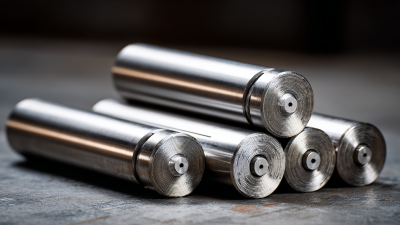
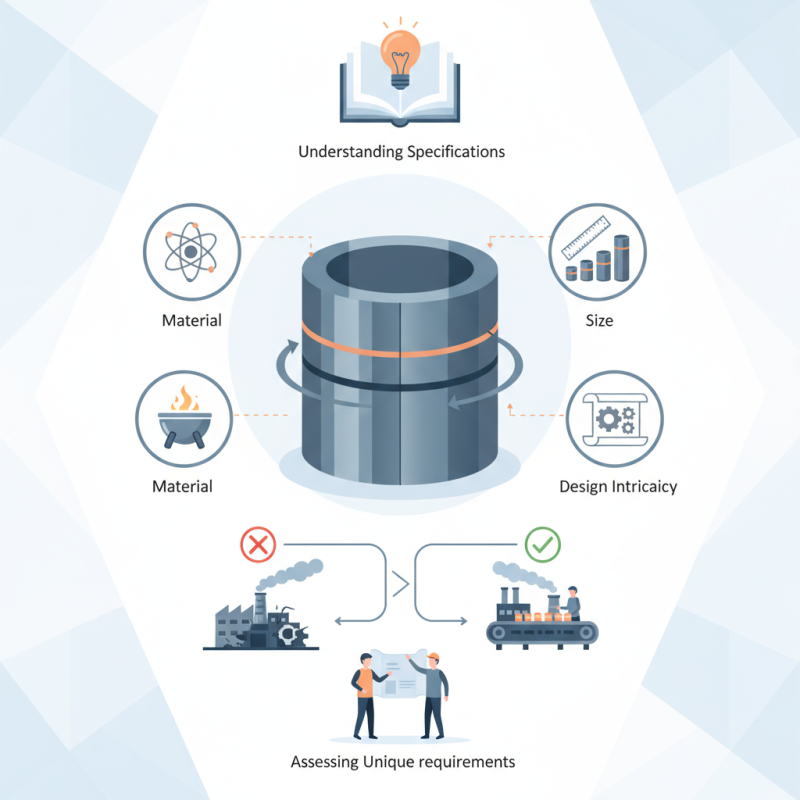
Forged cylinders are known for their durability and strength. They are forged under high pressure, which improves their mechanical properties. This method results in a product capable of withstanding extreme conditions. However, not all forged cylinders are created equal. Factors such as material, size, and design intricacy must be considered.
Many companies overlook these details, leading to expensive failures. Each application demands specific characteristics. A mismatch can result in inefficient operations or even safety risks. Therefore, assessing your unique requirements is essential. Understanding these parameters can guide you in selecting the best forged cylinders for your needs.
Understanding the Basics of Forged Cylinders in Industrial Applications
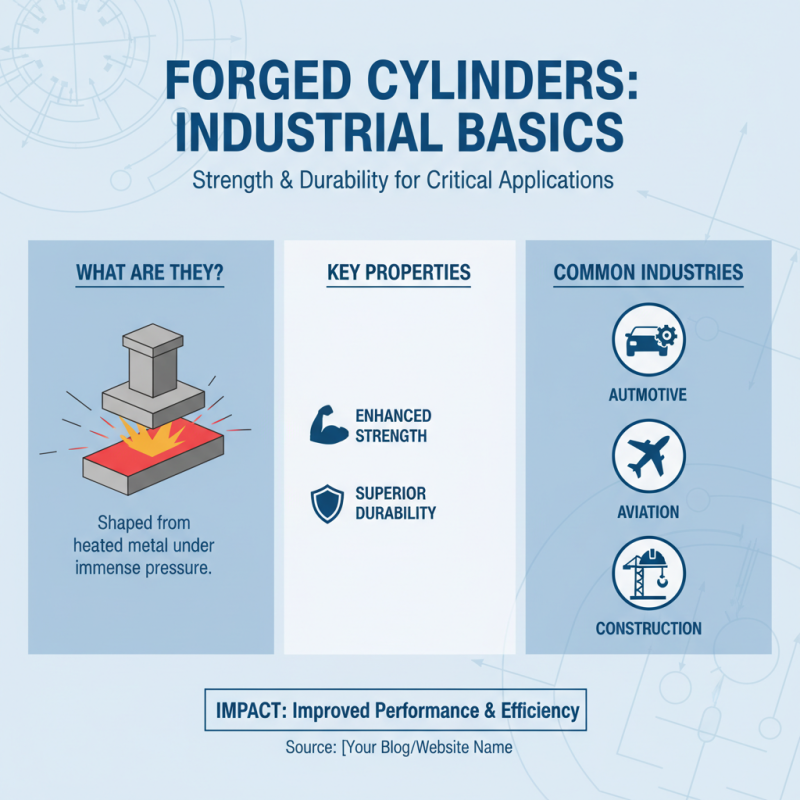
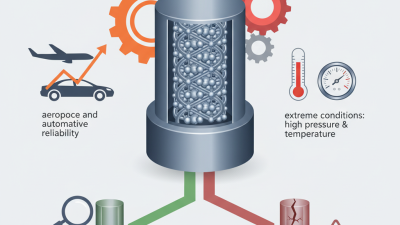
Forged cylinders play a crucial role in various industrial applications. Understanding their properties can significantly impact performance and efficiency. These cylinders are created by shaping heated metal under high pressure. This process enhances their strength and durability. Industries such as automotive, aviation, and construction often rely on these components.
When selecting forged cylinders, consider the material and design. Different metals have unique characteristics. For instance, stainless steel offers excellent corrosion resistance. On the other hand, carbon steel may be more cost-effective for less demanding applications. It's essential to assess the environment where the cylinders will be used. High temperatures or corrosive substances can affect their lifespan.
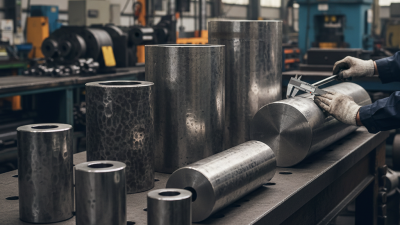
Another important aspect is the manufacturing process. Forged cylinders can be produced in various shapes and sizes. Each has its advantages and limitations. Reflecting on these factors is vital. Sometimes, even small design changes can lead to performance issues. Understanding your specific needs can avoid costly mistakes down the line. This requires careful planning and expert consultation.
Identifying Your Specific Industrial Requirements for Forged Cylinders
When selecting forged cylinders for industrial applications, understanding your specific needs is essential. Different industries demand varying levels of strength, durability, and precision. Start by assessing the operational environment where the cylinders will be used. For instance, extreme temperatures or corrosive substances can significantly impact performance. Identifying these factors helps in narrowing down suitable options.
Next, consider the loads the cylinders will bear. Calculating the force exerted on these parts under operational conditions is crucial. Forged cylinders should withstand these pressures without compromising integrity. This may lead to a reflection on previous choices, especially if past selections failed to meet performance expectations. Moreover, factor in any industry certifications or standards your cylinders must adhere to. Compliance ensures reliability and durability in critical operations.
In addition to these technical requirements, engaging with experienced professionals can provide insider insights. Their expertise can illuminate overlooked aspects, helping you avoid costly mistakes. Choosing the right forged cylinder isn’t solely about specifications; it’s also about building a foundation of trust and reliability in your supply chain. The journey involves reflection, adaptation, and rigorous evaluation to align your choices with your industrial goals.
Exploring Different Materials Used in Forged Cylinder Manufacturing
When considering forged cylinders, the choice of materials is crucial. Commonly used materials include carbon steel, alloy steel, and stainless steel. Each material offers unique benefits and limitations. Carbon steel is strong and cost-effective, making it popular in many industries. However, it may lack resistance to corrosion in demanding environments.
Alloy steel enhances strength and toughness. It withstands higher temperatures and pressures. Yet, it can be more expensive than carbon steel. Stainless steel provides excellent corrosion resistance. It's perfect for environments exposed to chemicals or moisture. Unfortunately, this material tends to be less efficient in terms of weight.
Understanding these materials can guide better decisions. Factors like operating conditions and cost-effectiveness play a role in selecting the right forged cylinder. Reflecting on these choices is essential. Each material has a purpose, yet none is perfect for every situation.
Forged Cylinder Material Composition
Evaluating Design Specifications and Dimensions for Optimal Performance
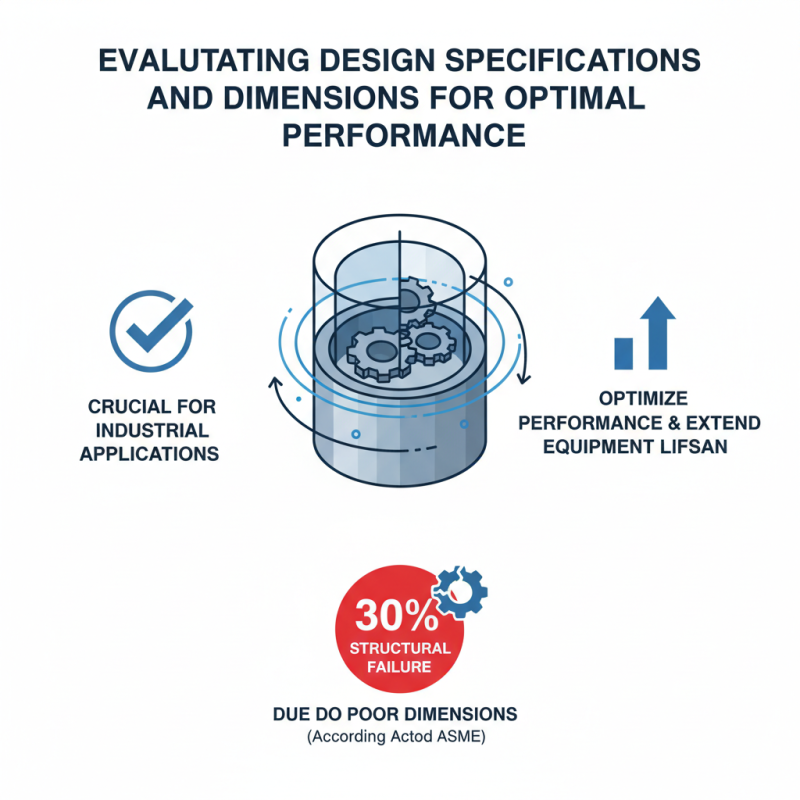
When selecting forged cylinders for industrial applications, evaluating design specifications and dimensions is crucial. The right specifications can significantly optimize performance and extend the lifespan of equipment. According to the American Society of Mechanical Engineers (ASME), poorly chosen dimensions can lead to structural failure in up to 30% of applications.
Understanding the operating environment is essential. Consider factors like pressure, temperature, and the type of fluids involved. For instance, in high-pressure situations, a thicker wall may be required. Forged cylinders are beneficial in such contexts due to their improved strength-to-weight ratio. The dimensions dictate the ability to withstand these stresses.
It's not just about size; tolerances matter too. Accurate tolerances ensure proper fit and function. The tolerance should be within manufacturing limits specified by industry standards such as ASTM. A staggering 40% of industrial inefficiencies stem from improper tolerances, impacting overall productivity. Taking the time to evaluate these specifications can lead to enhanced operational efficiency and reduced maintenance costs.
Selecting Reliable Suppliers and Manufacturers for Forged Cylinders
Selecting the right supplier for forged cylinders is crucial for ensuring quality and reliability. Start by evaluating potential manufacturers based on their experience and expertise in the industry. Look for companies with years of experience. They often understand the nuances of forging processes better. A long-standing company may indicate reliability and stability.
Quality certifications are important. Check if the supplier holds relevant industry standards. Certifications reflect their commitment to maintaining high standards. Reviews from other businesses can provide insights into their reliability. Direct communication with past customers can reveal important details about their service.
It’s vital to think about your specific needs. Consider the specifications required for your forged cylinders. Not all manufacturers can meet unique demands. Be wary of suppliers that offer overly generic solutions. They may not have the capability to deliver tailored products. Always seek clarity on their production processes and material sourcing. Take the time to assess your options carefully. It may save you from future issues.