Why Choose Stainless Steel Auto Parts for Your Vehicle Maintenance?
When it comes to vehicle maintenance, the choice of materials matters greatly. Stainless Steel Auto Parts have gained popularity among car enthusiasts and mechanics alike. These components offer remarkable durability and resistance to corrosion. They perform exceptionally well in various weather conditions, ensuring that your vehicle stays safe and maintains its aesthetic appeal.
Many may wonder if the higher cost of Stainless Steel Auto Parts is justified. Yes, the long-term savings in maintenance and replacement costs can be significant. Traditional materials can rust or wear out more quickly, leading to frequent repairs. Investing in stainless steel can mitigate these issues.
However, not all stainless steel components are created equal. It’s essential to choose reputable brands and suppliers. Quality assurance can significantly impact performance. Reflecting on past experiences can guide decisions on which products to trust. In the world of automotive maintenance, making informed choices empowers vehicle owners and ensures enhanced longevity.
Benefits of Using Stainless Steel Auto Parts in Vehicle Maintenance
Stainless steel auto parts offer numerous advantages for vehicle maintenance. One of the key benefits is their resistance to corrosion. According to a study by the American Society of Mechanical Engineers, stainless steel can last significantly longer than traditional materials. This durability reduces the frequency of replacements, saving vehicle owners both time and money.
Another benefit is their strength and flexibility. Stainless steel parts can withstand high stress and won’t easily break. This resilience is crucial for components that bear heavy loads or are exposed to harsh conditions. As per Automotive Engineering Journal, stainless steel auto parts can enhance vehicle performance and extend service life.
Tip: Regularly inspect your stainless steel components. Look for any signs of wear or corrosion that may need addressing.
Additionally, stainless steel is eco-friendly. It can be recycled without losing quality. This aspect is becoming more important with the growing focus on sustainability. However, they can be pricier upfront, which may give some drivers pause. Weighing short-term costs against long-term benefits is essential for every vehicle owner.
Tip: Consider the long-term savings of reduced maintenance with stainless steel parts over conventional options. Investing wisely can lead to improved performance and longevity.
Durability and Longevity of Stainless Steel in Automotive Applications
Stainless steel has gained popularity in automotive applications due to its impressive durability and longevity. According to industry reports, stainless steel auto parts can last up to three times longer than traditional materials. This is particularly advantageous for components exposed to harsh conditions, like exhaust systems and body panels. In corrosive environments, stainless steel stands out, thanks to its resistance to rust, oxidation, and corrosion.
Many manufacturers recognize that the cost of replacing parts frequently can add up. A study by the Automotive Research Association indicates that stainless steel parts have a lifecycle cost that is 20% lower than counterparts made from carbon steel. The upfront investment may be higher, but the benefits often outweigh the initial expenses. Proper maintenance and installation are crucial. Misaligned or improperly fitted parts can still lead to issues, highlighting the importance of professional expertise.
While stainless steel is not without its challenges, such as potential brittleness in extreme temperatures, its overall benefits are significant. Research shows that with regular care, stainless steel components perform consistently. They withstand mechanical wear and stress better than many alternatives. This reliability is essential for maintaining vehicle safety and performance.
Why Choose Stainless Steel Auto Parts for Your Vehicle Maintenance? - Durability and Longevity of Stainless Steel in Automotive Applications
| Property |
Stainless Steel |
Aluminum |
Plastic |
| Corrosion Resistance |
Excellent |
Moderate |
Low |
| Strength |
High |
Moderate |
Low |
| Weight |
Moderate |
Light |
Very Light |
| Thermal Conductivity |
Medium |
High |
Low |
| Longevity |
Excellent |
Good |
Fair |
Corrosion Resistance: A Key Advantage of Stainless Steel Components
Stainless steel auto parts are a popular choice for vehicle maintenance due to their exceptional corrosion resistance. Unlike conventional materials, stainless steel can withstand harsh environments, including exposure to moisture and road salt. According to a study by the International Stainless Steel Forum, stainless steel's inherent properties reduce the risk of rust and degradation, extending the lifespan of automotive components.
Consider brake lines and exhaust systems as examples. These parts often face exposure to corrosive agents. Using stainless steel in these applications helps ensure safer and more reliable vehicle operation. Research shows that vehicles with stainless steel parts maintain performance longer and require less frequent repairs.
Tips: Regular inspections of stainless steel components can catch potential issues early. If you notice any unusual signs, consult a professional. Additionally, using proper cleaning methods can enhance the longevity of these parts. Although stainless steel is resilient, neglect can lead to unforeseen issues.
Pay attention to how stainless steel performs under different conditions. While resistant to rust, it can still exhibit signs of wear over time. Understanding these factors can guide better maintenance strategies.
Cost-Effectiveness of Stainless Steel Parts Over Time
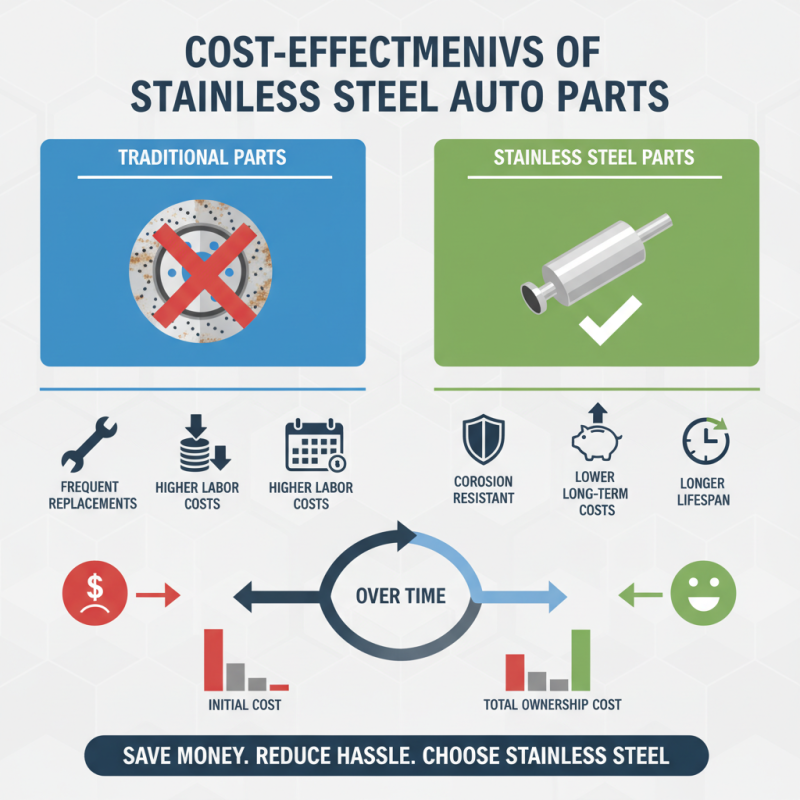
When considering vehicle maintenance, the material of auto parts can significantly affect long-term costs. Stainless steel parts stand out for their durability and resistance to corrosion. Unlike traditional materials, stainless steel can withstand harsh weather and road conditions without rusting. This quality means fewer replacements over time, leading to cost savings in both parts and labor.
Investing in stainless steel isn’t merely about the initial expense. Many vehicle owners overlook the hidden costs of frequent repairs and replacements. A well-made stainless steel part can last much longer than lower quality alternatives. Some might initially hesitate to pay more upfront. However, those extra dollars often pay off through reduced maintenance needs in the future. The long lifespan encourages a mindset of quality over quantity, which is crucial when assessing vehicle upkeep.
It’s important to be aware of the balance between cost and quality. Not all stainless steel parts are created equal. Some may not offer the expected performance. Vehicle owners should research suppliers and ensure they choose high-quality stainless components. This diligence can prevent future disappointments and expenses, emphasizing the value of informed decision-making in vehicle maintenance.
Eco-Friendly Aspects of Choosing Stainless Steel for Auto Repairs
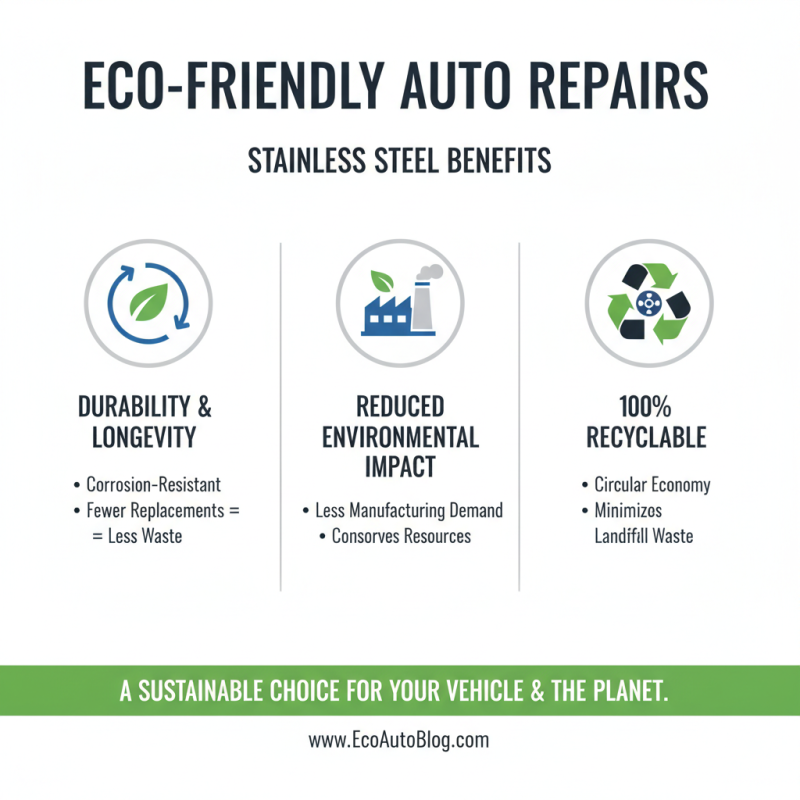
Choosing stainless steel auto parts for vehicle maintenance brings environmental benefits that are hard to ignore. Stainless steel is highly durable and resistant to corrosion. This means fewer replacements over time, which translates to reduced waste. Each part's longevity helps lessen the environmental impact associated with manufacturing new parts. Moreover, stainless steel is fully recyclable. When a part eventually reaches the end of its life, it can be recycled into new products, minimizing landfill contributions.
The production of stainless steel generates less waste compared to other materials. It uses recycled materials in its creation. Utilizing recycled stainless steel can decrease energy consumption. This allows auto maintenance to become more sustainable. However, not all stainless steel products are created equal. Some may contain alloys or treatments that are not as eco-friendly as others. Always seek information about the specific materials used in auto parts to ensure they align with eco-friendly standards.
Opting for stainless steel is a step towards responsible vehicle maintenance. The eco-friendly aspects are appealing, but awareness of sourcing practices is crucial. Understanding transparency in the supply chain enhances decision-making. It makes the choice of auto parts more thoughtful and environmentally conscious. This commitment can lead towards a greener future for all car owners.