Top Cold Forging Die Suppliers in China for Global Buyers?
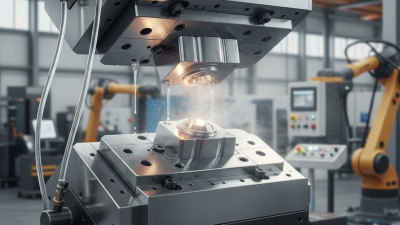
The demand for Cold Forging Die is surging globally due to various industries seeking cost-effective manufacturing solutions. According to a recent market report by Research and Markets, the global cold forging market is expected to reach $8 billion by 2027, growing at a CAGR of 6%. This growth is driven by the need for durable and precise components in automotive, aerospace, and machinery sectors.
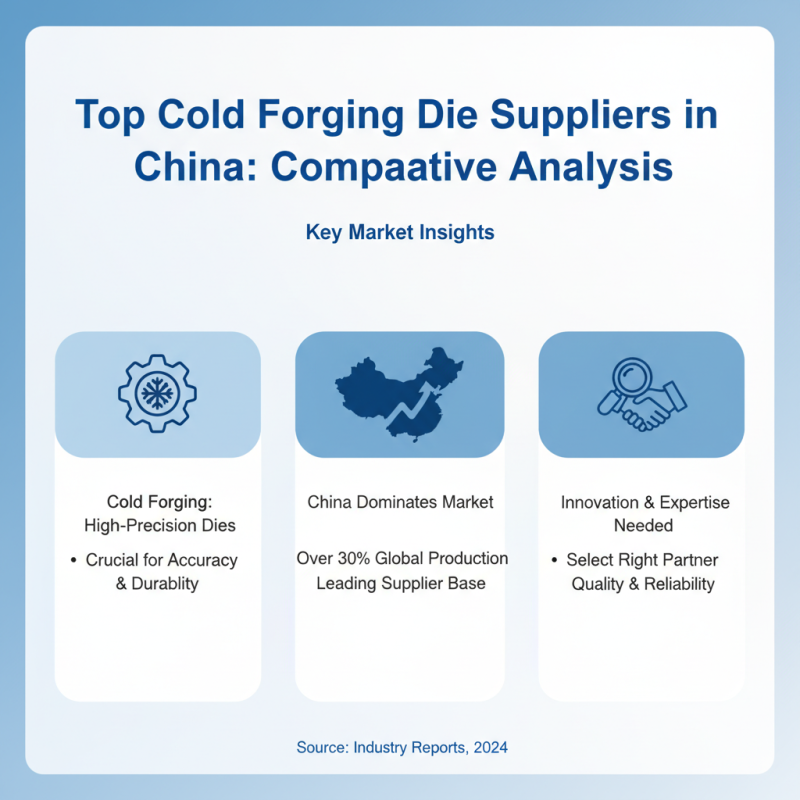
China, as a leading supplier, offers a diverse range of Cold Forging Die products. The nation’s manufacturing capabilities have evolved significantly. Reports indicate that over 50% of global cold forging die production now originates from China. This impressive statistic highlights the country’s expertise in advanced metallurgy and production techniques.
However, not all suppliers offer the same quality. Buyers must conduct thorough research to identify reliable manufacturers. Quality assurance and compliance with international standards are crucial factors. It’s essential to balance low cost with high-quality output. As the market expands, so does the competition. This complex landscape calls for informed decision-making from global buyers seeking top-tier Cold Forging Die suppliers.
Overview of Cold Forging and Its Importance in Manufacturing
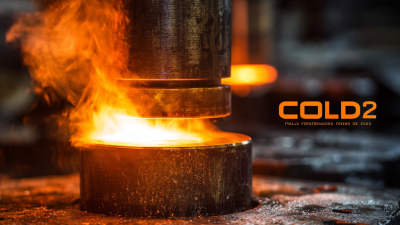
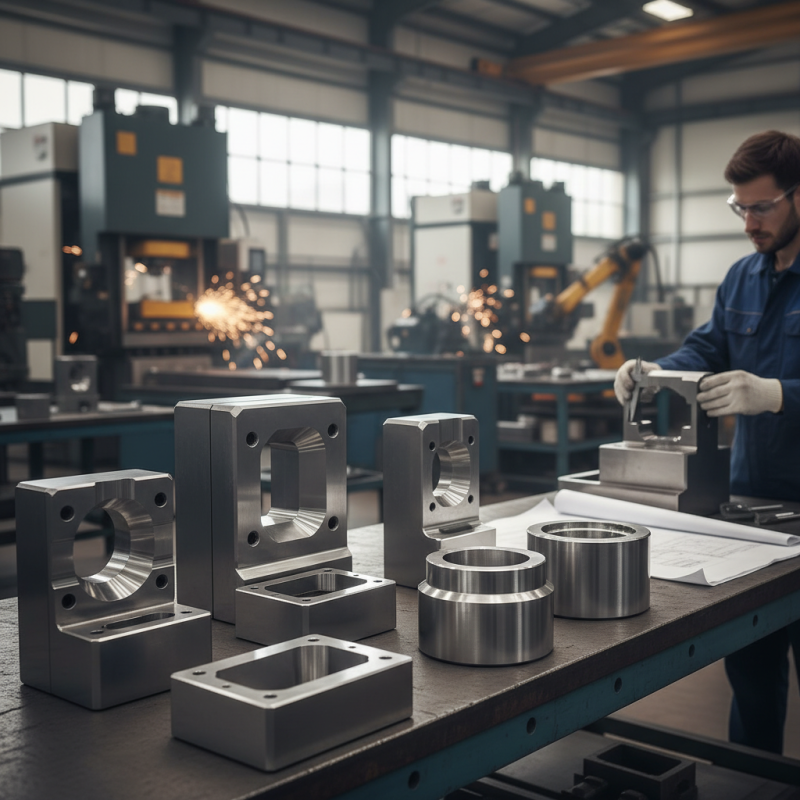
Cold forging is a crucial manufacturing process that shapes metal at room temperature. This technique enhances the physical properties of materials. For example, it can improve strength and grain structure. According to industry reports, cold forging can lead to a reduction in waste by up to 90%. This makes it a more sustainable option compared to traditional machining methods.
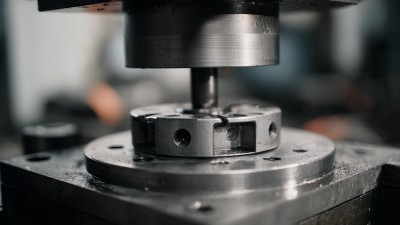
Manufacturers highly value cold forging for its precision and efficiency. This method allows for the production of complex shapes with tight tolerances. Data indicates that parts made through cold forging often exhibit better fatigue resistance. While this process has its advantages, it also requires skilled labor and precise tooling. Not all manufacturers are equipped to meet these demands.
Tips for manufacturers considering cold forging: assess your tooling capabilities before starting. It is vital to ensure that your equipment can handle the desired complexity of shapes. Additionally, consider conducting a cost-benefit analysis to determine potential savings. Investing in training for your workforce can also yield long-term benefits. Cold forging isn’t just about the machines; it’s about the expertise behind them.
Key Factors to Consider When Choosing Cold Forging Die Suppliers
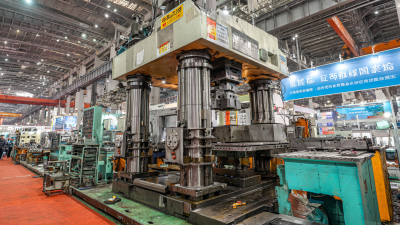
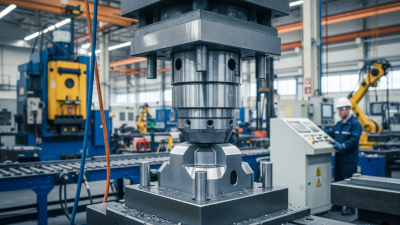
When selecting cold forging die suppliers, several critical factors come into play. Firstly, the supplier's manufacturing capabilities are essential. A reliable supplier should employ advanced technology, including CNC machines and simulation software. This ensures high precision and efficiency. According to industry reports, around 80% of successful companies in the cold forging sector invest heavily in modern machinery.
Quality control is another vital aspect. It's important to inquire about the supplier's quality assurance processes. Many top suppliers implement rigorous testing protocols, ensuring every die meets international standards. A study highlights that firms with strong quality assurance practices experience up to a 30% reduction in defect rates. This underscores the importance of selecting a supplier with a proven track record.
Lastly, customer support cannot be overlooked. Suppliers should offer comprehensive after-sales service. Clients often face issues that require immediate attention. Some suppliers lack adequate support, leading to delays and increased costs. A report from the industry indicates that effective customer service can enhance client retention rates by 25%. When evaluating potential suppliers, weigh these factors carefully, as they significantly impact long-term partnerships.
Customer Reviews and Experiences with Chinese Cold Forging Suppliers
Finding reliable cold forging die suppliers in China can be challenging for global buyers. Customer reviews often reveal valuable insights. Many buyers emphasize the importance of communication. Clear and prompt responses can make a significant difference. Customer experiences highlight that timely updates can alleviate concerns during the production process.
A tip for buyers is to request samples before placing large orders. This allows for evaluation of quality and service. Additionally, reviews often mention the importance of understanding the supplier's production capabilities. It is crucial to ensure that the supplier can meet specific technical requirements. Some experiences noted discrepancies between expected and delivered quality. This highlights the need for diligent follow-ups.
Furthermore, buyers should engage in discussions about timelines. Delays can affect downstream projects significantly. Some reviewers express frustration over missed deadlines, impacting their operations. Overall, thorough research and attentive communication are key steps in partnering with Chinese cold forging suppliers.
Future Trends in Cold Forging and Implications for Global Buyers
The cold forging industry is evolving. In recent years, the global market for cold forging has seen significant growth. According to the latest industry report, the market size is expected to reach USD 35 billion by 2026, expanding at a CAGR of 5.2%. Innovations in tooling and processes drive this trend.
As sustainability becomes essential, many manufacturers are adapting. The use of recycled materials has increased. Cold forging processes consume less energy compared to traditional methods. This shift aligns with global sustainability goals. Innovations like digital twin technology further optimize production efficiency.
Tips: Consider collaborating with suppliers who focus on eco-friendly practices. This can enhance your brand image.
Challenges persist in this space. Supply chain disruptions can affect material costs. Buyers must remain adaptable to these changes. Data-driven decision-making helps mitigate risks. Using predictive analytics can guide buyers in choosing reliable suppliers.
Tips: Regularly review supplier performance metrics. This helps ensure quality and reliability in sourcing.
Top Cold Forging Die Suppliers in China for Global Buyers - Future Trends in Cold Forging and Implications for Global Buyers
| Supplier Rank |
Production Capacity (Units/Month) |
Lead Time (Weeks) |
Export Experience (Years) |
Certifications |
| 1 |
10,000 |
6 |
15 |
ISO 9001, TS16949 |
| 2 |
8,000 |
8 |
10 |
ISO 9001, CE |
| 3 |
15,000 |
4 |
20 |
ISO 9001 |
| 4 |
12,000 |
5 |
12 |
ISO 14001 |
| 5 |
9,000 |
7 |
8 |
EAQ, ISO 9001 |