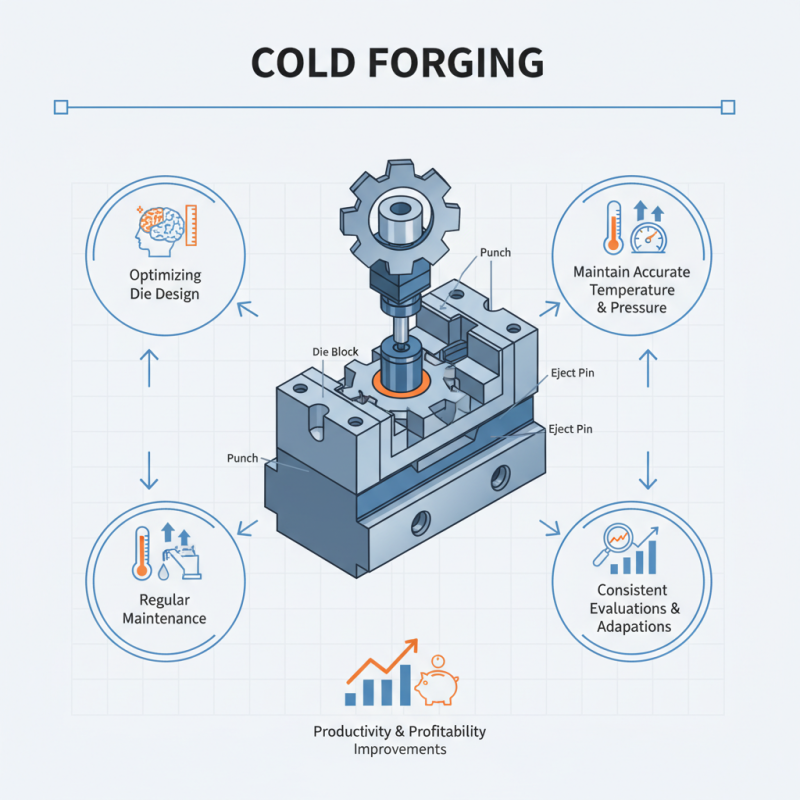
In the realm of metalworking, the efficiency of a Cold Forging Die plays a crucial role. Renowned expert Dr. John Smith has said, "Optimizing the die design is key to achieving superior results." His insight highlights the importance of understanding die parameters. Many manufacturers overlook minor adjustments that can significantly influence performance.
The process of cold forging demands precision. Maintaining accurate temperature and pressure levels is essential. A well-designed die can reduce production time and improve product quality. However, not all companies prioritize these details. Some may underestimate the impact of wear and tear on dies. This neglect can lead to costly errors down the line.
Moreover, regular maintenance is often sidelined. Companies might believe that their current setup is sufficient. Yet, consistent performance evaluations reveal underlying issues. Adapting to changes in material properties or production goals is critical. Each small tweak in your Cold Forging Die could lead to major improvements in productivity and profitability. Reflecting on these aspects can provide deeper insights into optimizing your cold forging operations.
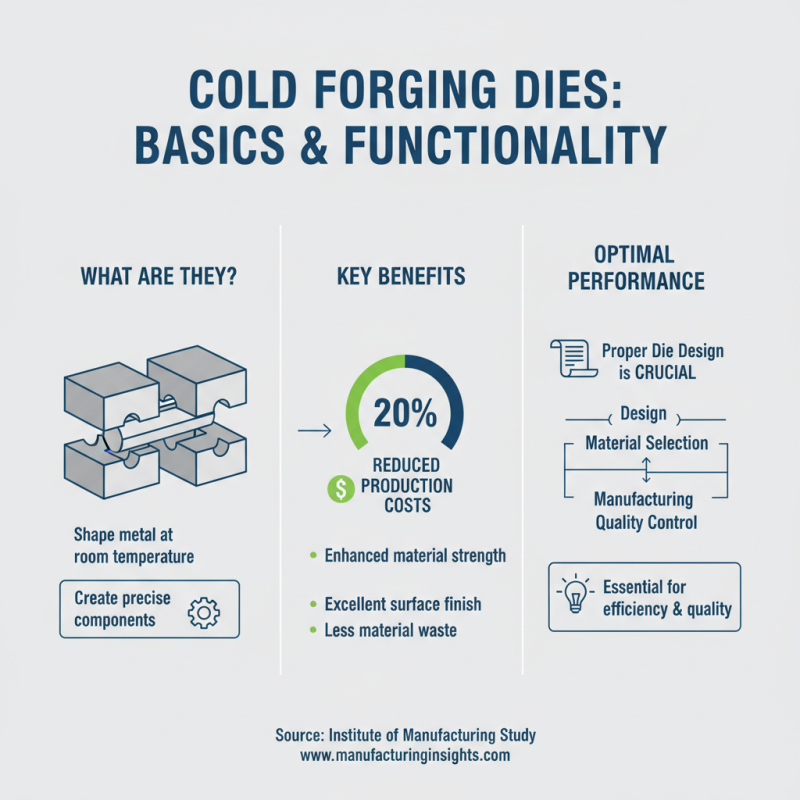
Cold forging dies play a crucial role in metalworking. They shape and form materials at room temperature, creating precise components. Understanding how these dies operate is essential for achieving optimal performance. A study by the Institute of Manufacturing states that cold forging can reduce production costs by 20% compared to traditional forging methods. Proper design is vital for efficiency and quality.
**Tip: Choose the Right Material**
Selecting the appropriate die material can significantly affect durability. High-speed steel and carbide are common choices. Each offers unique benefits suited for specific applications. However, not all projects require the same materials. This mismatch can lead to unexpected wear and tear.
**Tip: Regular Maintenance is Key**
Routine checks and maintenance can keep your dies performing well. Small issues can escalate into larger problems if neglected. Regular inspections help identify wear patterns early. This proactive approach can save both time and resources in the long run.
Cold forging dies require a delicate balance of precision and care. Overlooking the basics can lead to suboptimal results. Many engineers overlook proper alignment during setup, which can cause defects. Reflecting on these common pitfalls can enhance overall productivity in your processes.
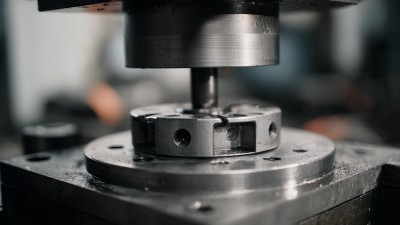
When it comes to cold forging die performance, several key factors play a crucial role. Material selection is vital. Choosing the right alloy can vastly affect the die's endurance and ability to withstand pressure. Higher carbon content typically leads to increased hardness, but it may also make the die more brittle. Balancing these properties is essential.
Heat treatment techniques can also significantly influence performance. Proper tempering can alleviate internal stresses, enhancing durability. However, improperly executed heat treatment may cause warping. This inconsistency can lead to defects in the forged product. Regular inspection and adjustment of heat treatment parameters are necessary for optimal results.
Die design is another critical consideration. A well-designed die will distribute stress evenly during forging. However, a flawed design can lead to uneven wear or premature failure. It’s worth noting that even small design changes can have a substantial impact. Test runs and iterations based on observed imperfections can help achieve the best outcome. Each aspect of cold forging is interconnected, requiring careful attention to achieve high performance.
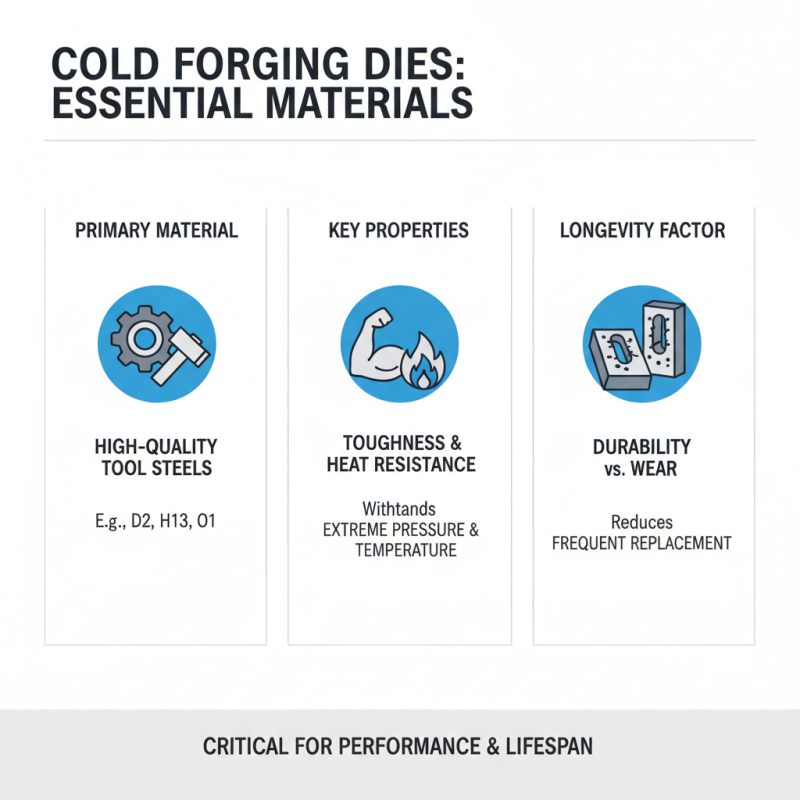
Cold forging dies play a critical role in the manufacturing process. The choice of materials in their production greatly influences their longevity and performance. High-quality tool steels are frequently employed due to their toughness. These materials can withstand the intense pressure and heat involved in cold forging. However, even top-grade materials can wear out over time.
Apart from tool steels, alloyed materials are also essential. They enhance resistance to wear and improve the die's performance under stress. The right alloy can make a significant difference. Yet, the selection process is not always straightforward. Factors such as cost, availability, and specific application requirements complicate decisions. Sometimes, manufacturers overlook these specifics, leading to premature die failure.
Coatings can also be beneficial. They provide additional protection from wear and corrosion. However, selecting an inappropriate coating might lead to unexpected issues. Adapting to varying production conditions is key. Innovation in material technology offers promising solutions. However, the industry still grapples with balancing performance and cost-effectiveness. Awareness of these challenges can drive improvements in die manufacturing.
Cold forging dies are critical for achieving optimal performance in production. Maintaining these tools extends their lifespan and improves efficiency. Regular lubrication is essential. Using the right lubricant reduces friction and minimizes wear. Apply it evenly to all moving parts to prevent overheating.
Cleaning is often overlooked. Dirt and debris can cause irregularities in the forging process. Use a soft brush to remove any buildup. Inspect the dies regularly for cracks or damage. A small issue can turn into a significant problem if ignored.
Using protective coatings can also help. These coatings resist wear and corrosion, which are common issues in cold forging. However, not all coatings are equally effective. Periodic assessments are necessary to ensure they are functioning well. Keeping a detailed log of maintenance activities can aid in spotting trends over time. Such reflections on maintenance practices can lead to improvements.
Cold forging die operations can sometimes encounter issues that affect performance. One common problem is die wear, which can lead to dimensional inaccuracies. Inspecting dies regularly helps minimize wear. Using high-quality materials can also prolong die life. Address any visible damage before it escalates.
Another issue is improper lubrication. Insufficient lubrication can cause friction and overheating, decreasing die efficiency. Ensure that the lubrication system meets the operational demands. Experiment with different lubricants to find the best fit. Monitor lubrication levels closely.
Several temperature fluctuations can impact material flow. Consistency is vital. Maintaining a steady temperature ensures better results. Make necessary adjustments to the temperature settings during operations. This might take some trial and error. Embrace the process to improve results over time.
| Issue | Description | Solutions | Preventive Measures |
|---|---|---|---|
| Die Wear | Gradual degradation due to repeated use, affecting precision. | Regular maintenance and timely replacement. | Use high-quality materials and optimize cooling systems. |
| Dimensional Tolerance Issues | Parts produced out of specified dimensions. | Adjust die design and monitor temperature settings. | Conduct routine calibration of machinery. |
| Surface Finish Defects | Poor surface quality affecting the aesthetics and function. | Utilize appropriate lubricants and inspect die surfaces regularly. | Implement cleaning protocols for tooling surfaces. |
| Inconsistent Material Flow | Irregular flow causing defects in the final product. | Modify die geometry to promote better flow. | Conduct flow tests and refine feeding methods. |
| Tool Breakage | Breakage leads to downtime and increased costs. | Use proper feeding techniques and check alignment. | Train operators on best practices for setup and operation. |