Understanding Cold Heading Die: Benefits, Applications, and Common Issues
Cold heading die is a critical component in the manufacturing process of various fasteners and metal parts. This innovative technology allows for the shaping of metal without the application of heat, making it an energy-efficient and cost-effective method for producing high-precision components. By utilizing the cold heading die technique, manufacturers can achieve superior material properties, such as enhanced strength and improved surface finishes, which are essential in industries like automotive, aerospace, and construction.
The applications of cold heading dies are extensive, spanning various sectors where reliable and durable components are necessary. From bolts and screws to specialized fasteners, the versatility of this technology ensures that it meets the demands of modern manufacturing processes. However, while the benefits of cold heading die are numerous, it is essential to be aware of common issues that may arise, such as tool wear, misalignment, and production inefficiencies. Understanding these challenges allows manufacturers to optimize their processes and maintain high-quality standards throughout production.
In summary, the cold heading die is an indispensable tool in the landscape of metal forming. By delving into its benefits, applications, and potential issues, we can gain valuable insights into how this technology shapes the future of metal components manufacturing, highlighting its significance in ensuring the integrity and performance of engineered products.

Understanding the Fundamentals of Cold Heading Dies
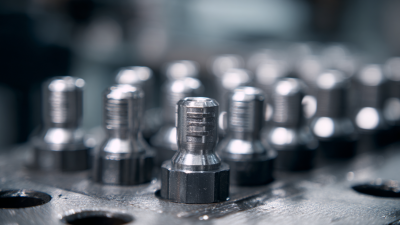
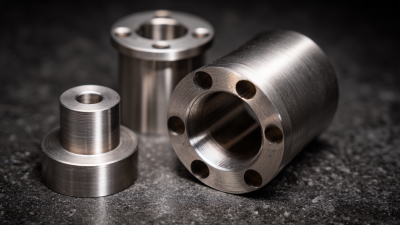
Cold heading dies are vital tools in the cold heading process, where metal is formed into various shapes without the need for heating. Understanding the fundamentals of cold heading dies involves knowing their construction, functionality, and the specific engineering principles that govern their operation. These dies are typically made from high-grade steel, designed to withstand the immense pressures encountered during the forming process, which can reach several tons. The precise geometry of the die determines the final shape of the product, making it crucial for manufacturers to tailor the die design to the specific parts being produced.
The applications of cold heading dies are extensive, found in industries ranging from automotive to electronics. By utilizing this forming technique, manufacturers can create complex shapes with high dimensional accuracy and excellent surface finishes. The cost-effectiveness of cold heading also stems from its ability to reduce material waste and enhance production efficiency.
However, understanding and selecting the right die for specific applications is essential to avoid common issues such as wear and tear, misalignment, and tool breakage. Proper maintenance and regular inspection of the dies can lead to extended service life and improved production outcomes, further emphasizing the importance of mastering the fundamentals in the use of cold heading dies.
Key Benefits of Using Cold Heading Dies in Manufacturing
Cold heading dies are essential tools in modern manufacturing, particularly in the production of fasteners and other metal components. One of the key benefits of using cold heading dies lies in their efficiency and cost-effectiveness. They allow for the mass production of parts with high precision and consistency, significantly reducing material waste compared to traditional machining processes. This process not only saves on raw material costs but also minimizes the time taken to complete manufacturing cycles.
Another advantage of cold heading dies is their ability to work with a variety of materials, including different grades of steel, aluminum, and brass. This versatility means that manufacturers can produce a wide range of products, catering to diverse industries such as automotive, electronics, and construction. Moreover, cold heading enhances the mechanical properties of the materials used, leading to stronger and more durable components.
Tips: To maximize the benefits of cold heading dies, it is crucial to choose the right die design and material that aligns with the specific requirements of your production process. Regular maintenance of the dies can also prevent common issues such as wear and tear, which can compromise the quality of the final products. Furthermore, running trials with different parameters can help identify the optimal settings, enhancing production efficiency.
Common Applications of Cold Heading Dies Across Industries
Cold heading dies play a crucial role in manufacturing processes across various industries, primarily due to their efficiency and the quality of the components produced. This high-speed process is particularly beneficial in the production of fasteners, such as bolts, nuts, and screws. According to a report by the Industrial Fasteners Institute, around 80% of fasteners used in automotive applications undergo cold heading, showcasing the method's dominance in the automotive sector. The automation and precision of cold heading processes not only reduce production costs but also enhance overall product quality, making it the preferred choice for mass manufacturing.
In addition to automotive applications, cold heading dies are extensively used in the aerospace and construction industries. For example, the aerospace sector relies on cold headed components for critical parts where strength and reliability are paramount. A study by the aerospace manufacturer Boeing estimates that approximately 70% of their structural fasteners are made through cold heading, highlighting the importance of this process in ensuring safety and performance. Moreover, the construction industry benefits from cold heading due to the durability of components produced, which withstand harsh environmental conditions, thereby reducing maintenance costs over time. The versatility and advantages of cold heading make it a vital manufacturing technique across multiple sectors.
Identifying Common Issues in Cold Heading Die Operations
Cold heading die operations can present various challenges that may hinder productivity and the quality of the final products. One common issue is tool wear, which can significantly impact the die's performance. When dies experience excessive wear, it can lead to dimensional inaccuracies and surface defects in the finished parts. Frequent monitoring of tool condition and implementing regular maintenance can help mitigate this issue. Additionally, using high-quality materials for die production can enhance durability and reduce wear rates.
Another prevalent concern in cold heading die operations is alignment and setup errors. Misalignment during the heading process can result in uneven material flow, leading to poor part quality and increased scrap rates. Proper setup procedures and calibration of machinery are essential to ensure that the dies are accurately positioned. Operators should also be trained to recognize signs of misalignment early on, which allows for immediate corrective action.
Temperature control during the cold heading process is equally important, as fluctuations can affect the material's properties and the die's effectiveness. Excessive heat builds up due to friction, which can compromise the integrity of both the material and the tooling. Implementing cooling systems or utilizing lubricants during operation can effectively manage temperature and reduce the risk of thermal damage to the dies. Addressing these common issues proactively can enhance the overall efficacy and longevity of cold heading die operations.
Understanding Cold Heading Die: Benefits, Applications, and Common Issues
| Issue |
Description |
Impact |
Possible Solutions |
| Die Wear |
Gradual degradation of die surfaces due to metal flow. |
Reduced product quality and increased scrap rates. |
Regular inspection and replacement of dies. |
| Misalignment |
Incorrect positioning of die parts during setup. |
Inconsistent part dimensions and increased rework. |
Using precision alignment tools during setup. |
| Material Issues |
Improper material or inconsistent material properties. |
Brittle parts or premature die failure. |
Source verification and proper material testing. |
| Tooling Defects |
Defects or imperfections on the tool surfaces. |
Increased friction and potential die damage. |
Thorough tooling inspections and repairs. |
| Heat Treatment Issues |
Improper heat treatment process affecting die hardness. |
Reduced durability and lifespan of the die. |
Follow strict heat treatment protocols. |
Best Practices for Maintaining Cold Heading Dies for Longevity
Proper maintenance of cold heading dies is crucial for maximizing their lifespan and ensuring consistent performance in manufacturing processes. One of the best practices involves regular inspection and cleaning of the dies after each production run. This prevents the build-up of debris and materials that could lead to premature wear or malfunctions. Techniques such as using ultrasonic cleaners or solvent-based solutions can help maintain the dies' integrity, removing any residues that may affect their functionality.
Another important practice is implementing a preventive maintenance schedule. This includes routine checks for wear and tear, alignment issues, and surface defects. By identifying potential problems before they escalate, manufacturers can reduce downtime and maintain production efficiency. Additionally, applying appropriate lubrication will reduce friction and help avoid overheating, further extending the life of the dies. Ensuring that technicians are trained to understand the specific requirements of cold heading dies will also contribute to their longevity and optimal performance.
Understanding Cold Heading Die: Metrics for Optimization
This bar chart illustrates key metrics related to maintaining cold heading dies, focusing on die wear rate, maintenance frequency, production downtime, material costs, and tooling setup time. Understanding these factors is crucial for enhancing the longevity and efficiency of cold heading dies.