What is Forged Aluminum Parts and Why Choose Them?
Forged Aluminum Parts play a crucial role in various industries, from automotive to aerospace. According to a recent report by the Aluminum Association, the global market for forged aluminum is expected to reach $8 billion by 2026. This growth reflects the increasing demand for lightweight yet robust materials. Industry expert Dr. Emily Harrison emphasizes the benefits of these parts: "Forged aluminum components offer unmatched strength and durability, essential for high-performance applications."
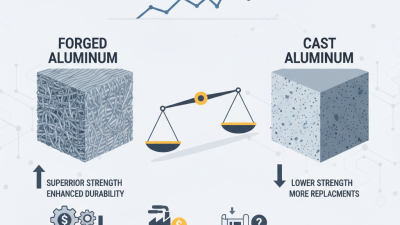
The process of forging aluminum enhances its mechanical properties. When compared to cast aluminum, forged parts exhibit superior fatigue resistance and structural integrity. This makes them ideal for applications requiring reliable performance under stress. Many manufacturers are now choosing forged aluminum over traditional materials. It reduces weight, leading to better fuel efficiency and lower emissions.
However, not all forged parts are created equal. Quality control is vital during production to ensure reliability. There’s a need for thorough testing to avoid failures in critical applications. As the industry evolves, the importance of craftsmanship and innovation cannot be overlooked. Forged Aluminum Parts are indeed a step towards a sustainable and efficient future.
What are Forged Aluminum Parts and Their Manufacturing Process
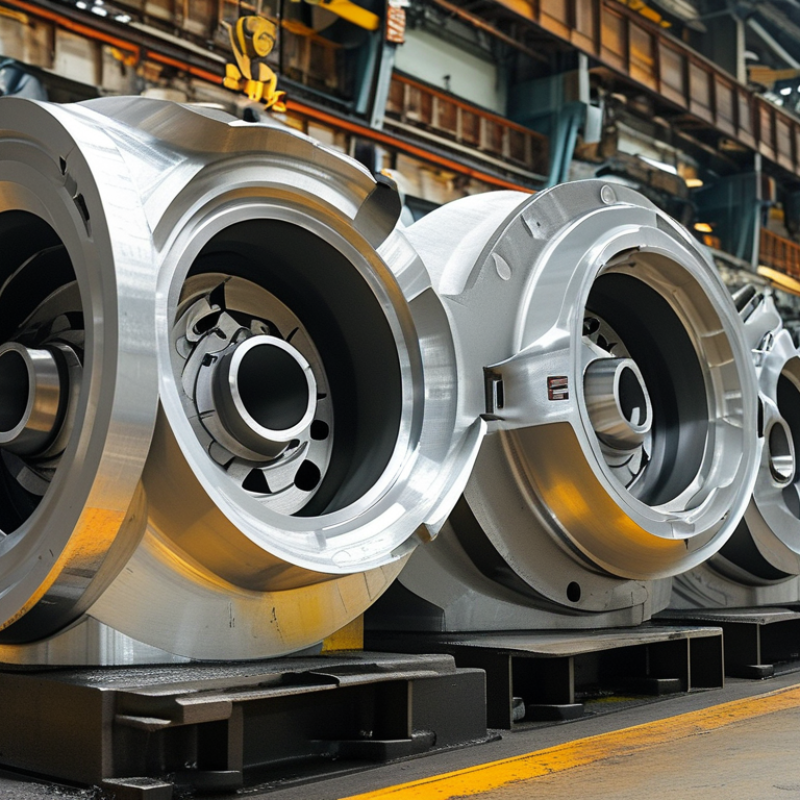
Forged aluminum parts are created through a process that involves shaping aluminum using compressive forces. This technique enhances the material's strength and durability compared to other manufacturing methods. The process begins with heating the aluminum to a malleable state. Once heated, it is placed into a die and shaped using a press or hammer. This makes the final product denser, offering improved resistance to deformation and wear.
During the manufacturing process, the grain structure of the aluminum becomes refined. This results in parts that carry high strength-to-weight ratios, ideal for various applications. Industries such as aerospace, automotive, and sports equipment benefit from these properties. However, there are challenges. Achieving uniformity in grain flow can be difficult. Inconsistencies may arise if not monitored closely.
Quality control is crucial in this process. Manufacturers must evaluate the parts post-production to ensure they meet performance standards. This is where expertise really matters. Knowledgeable teams can spot potential issues. Developing skilled labor is vital for producing high-quality forged aluminum parts. Each step in the process requires attention to detail and a commitment to excellence.
Forged Aluminum Parts: Manufacturing Process Insights
Key Advantages of Using Forged Aluminum Over Other Materials
Forged aluminum parts have gained popularity in various industries. They are known for their strength and lightweight properties. Unlike cast or machined aluminum, forging produces a dense structure. This enhances the overall toughness of the component. Engineers often prefer forged aluminum for high-stress applications.
One significant advantage is their resistance to fatigue. Products made from forged aluminum can endure repeated stress for longer periods. This reliability reduces the likelihood of failure during crucial operations. Additionally, these parts can withstand extreme temperatures better than many alternatives. This makes them suitable for automotive and aerospace applications where performance is vital.
Forged aluminum is also flexible in design. Complex shapes can be created without compromising strength. However, producing these parts requires precise techniques and equipment. This may result in higher initial costs, but the long-term benefits often outweigh this factor. Ultimately, the choice of forged aluminum contributes to improved product longevity and safety.
Applications of Forged Aluminum Parts in Various Industries
Forged aluminum parts play a vital role in various industries, showcasing their remarkable versatility. Industries such as aerospace, automotive, and manufacturing benefit from the lightweight and durable nature of forged aluminum. Engineers often choose forged aluminum for components that require high strength and resistance to fatigue. The aerospace sector uses these parts in aircraft frames and engine components due to their ability to withstand extreme conditions.
In the automotive industry, forged aluminum parts are essential for enhancing performance and fuel efficiency. These parts can be found in suspension systems and engine components. Their reduced weight contributes to lower emissions and improved handling. Additionally, the sports and recreation sector values forged aluminum for bicycle frames and sports equipment, emphasizing performance without sacrificing strength.
Companies often face challenges with forging processes. Inconsistent quality can arise if not managed properly. Proper training and experience are crucial for achieving desired results in production. While forged aluminum parts provide numerous benefits, attention to detail during manufacturing is essential. Balancing cost and quality requires careful consideration and expertise in material properties and processes.
Market Trends and Demand for Forged Aluminum Components Globally
The global demand for forged aluminum components is witnessing
remarkable growth. According to a recent market analysis, the forged aluminum market is expected to reach
approximately $15 billion by 2027, growing at a
CAGR of 6.6%. Industries such as aerospace
and automotive are significant drivers. They require
lightweight yet durable materials. Forged aluminum parts stand out due to their superior
strength-to-weight ratio, making them ideal for applications in these sectors.
Many manufacturers are adopting forged aluminum to enhance operational efficiency. These components exhibit
better fatigue resistance than their cast counterparts. A study by Grand View Research states that these
advantages are pivotal in industries driven by performance and reliability. However, companies must
prioritize proper supplier selection to maintain quality.
Not all suppliers meet stringent industry standards. Inadequate quality control can lead to subpar parts,
impacting overall production.
Tip: When considering forged aluminum, evaluate certifications and past performance of suppliers. Check
for compliance with industry standards. This ensures reliability and long-term performance of the components.
Keep in mind, while the advantages are clear, the initial costs may be higher than conventional options.
Yet, the long-term benefits often outweigh these costs with careful consideration.
Comparative Analysis: Forged Aluminum vs. Cast Aluminum Products
Forged aluminum and cast aluminum represent two distinct approaches to metal manufacturing. Forged aluminum parts are produced by shaping metal under high pressure. This process enhances the material’s strength and durability. According to a 2021 report by the Aluminum Association, forged aluminum components exhibit 20-30% greater tensile strength compared to their cast counterparts. This makes them ideal for high-stress applications in aerospace and automotive industries.
On the other hand, cast aluminum parts are made by pouring molten metal into molds. This method allows for intricate designs but sacrifices strength. Studies show that cast aluminum typically has a lower fatigue resistance. A survey conducted by ASTM International found that nearly 60% of manufacturers prefer forged components due to their superior performance. Yet, the forging process requires more energy and can produce more waste, leading to environmental concerns.
The choice between the two methods should consider specific application requirements. While forged aluminum provides higher integrity, the cost may be a limiting factor for some projects. In certain situations, the benefits of cast aluminum, such as lower production costs and quicker manufacturing times, can outweigh its weaknesses. This complexity in decision-making highlights the importance of thorough analysis before making a final choice.
What is Forged Aluminum Parts and Why Choose Them? - Comparative Analysis: Forged Aluminum vs. Cast Aluminum Products
| Feature |
Forged Aluminum |
Cast Aluminum |
| Manufacturing Process |
Deforming metal under high pressure |
Pouring molten metal into a mold |
| Strength |
Higher strength-to-weight ratio |
Lower strength compared to forged |
| Weight |
Lighter due to stronger material |
Heavier for similar applications |
| Cost |
Generally higher due to processing |
Lower manufacturing costs |
| Durability |
Higher impact resistance |
Less resistant to impact |
| Applications |
High-performance parts, aerospace, automotive |
General-purpose components, DIY projects |
| Surface Finish |
Better surface integrity |
May require post-processing |