What are Forged Cylinders and Their Applications?
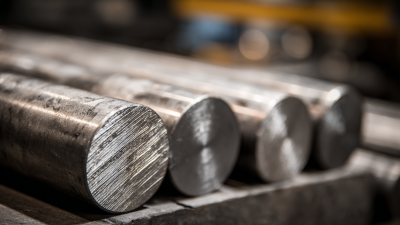
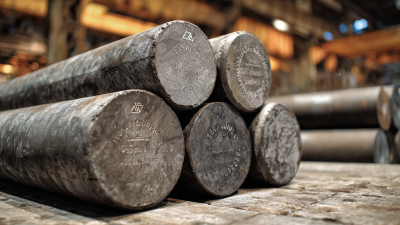
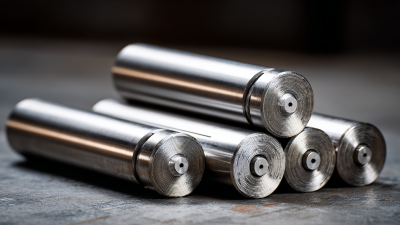
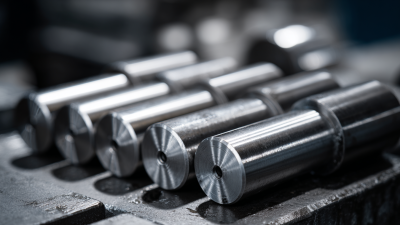
Forged cylinders play a crucial role in various industrial applications. These components are created through a process of shaping metal using compressive forces, resulting in enhanced strength and durability. The forging process aligns the metal fibers, improving performance under extreme conditions.
In industries such as aerospace, automotive, and manufacturing, forged cylinders are essential. They find use in engines, hydraulic systems, and even heavy machinery. The benefits include high impact resistance and the ability to withstand high temperatures. However, forgings are not without flaws. Sometimes, imperfections may arise during manufacturing. This requires careful quality control.
The versatility of forged cylinders raises questions about their efficiency and cost-effectiveness. Industries must assess if the benefits outweigh possible production risks. Understanding these components is key to optimizing their use, ensuring reliability and longevity.

Definition and Characteristics of Forged Cylinders
Forged cylinders are crucial components in various industries. They are created through a process that involves shaping metal using compressive forces. This manufacturing method enhances the strength and toughness of the material. Reports indicate that forged components can be up to 50% stronger than their cast counterparts. This strength makes them ideal for high-pressure applications.
The primary characteristics of forged cylinders include improved grain structure and enhanced resistance to fatigue and wear. This quality is vital in aerospace and automotive sectors, where reliability is non-negotiable. Data shows that forged products can reduce maintenance costs by about 20%. However, achieving the desired specifications can be challenging. Variability in materials and processes can impact performance.
Tips: Consider the specific requirements of your application. Assess the loading conditions and environmental factors. Proper evaluation prevents costly mistakes. Always consult experts when selecting forged components for critical applications. Balancing cost with performance can lead to better long-term results. Forged cylinders are not just about strength; they also embody precision and reliability.
Manufacturing Processes Used for Forged Cylinders
Forged cylinders are essential components in various industries. They are made using specific manufacturing processes that enhance their strength and durability. The primary methods include open-die forging and closed-die forging. Each method has unique advantages and applications that serve different needs.
Open-die forging involves placing a heated metal piece between two flat dies. This process allows for substantial deformation, which results in improved grain flow and structure. It’s suitable for large, heavy components. However, the precision may sometimes fall short.
Closed-die forging, on the other hand, uses shaped dies that produce more intricate designs. This method can deliver tight tolerances but may require more complex setups.
Forging can create a few challenges too. For example, controlling the temperature is crucial. If not done correctly, it can lead to defects. Sometimes, the material used might not behave as expected under stress. These complexities highlight the need for careful material selection and process control. Ensuring every step is executed well can improve the final product’s quality and performance.
Common Materials Utilized in Forged Cylinder Production
Forged cylinders are critical components in various industries, known for their durability and strength. The production of these cylinders involves specific materials that enhance their performance. Common materials utilized in forged cylinder production include carbon steel, alloy steel, and stainless steel. Each material has unique properties, making them suitable for different applications.
Carbon steel is often favored for its strength and cost-effectiveness. It is a reliable choice for many heavy-duty applications. Alloy steel, on the other hand, offers improved tensile strength and resistance to wear and tear. It is frequently used in environments where high performance is necessary. Stainless steel is resistant to corrosion, making it ideal for applications exposed to moisture or chemicals.
Tip: Always consider the environment where the forged cylinder will operate. Understanding the required strength and durability can help in choosing the right material.
Creating forged cylinders isn’t without its challenges. The production process can lead to defects like uneven material distribution. These issues can compromise strength and require further inspection. It is crucial to implement quality controls to minimize such defects.
Tip: Regular maintenance of forged cylinders can prevent failure in critical applications. Periodic checks can help identify wear before it leads to serious issues.
Key Applications of Forged Cylinders in Various Industries
Forged cylinders are integral components in various industries. They are created through a process that imparts strength and durability. This makes them highly suitable for demanding applications. One common use is in the aerospace sector, where they are crucial for aircraft engines. These components handle high pressure and extreme temperatures. Their reliability is vital for safety in flight.
In the automotive industry, forged cylinders also play a significant role. They are found in engine parts and suspension systems. These parts must endure heavy loads and stress over time. The strength of forged components minimizes the risk of failure. However, some manufacturers may overlook the importance of quality control. Skipping steps can lead to a reduction in performance and safety.
The oil and gas sector relies heavily on forged cylinders as well. They are used in drilling equipment and pipelines. In these applications, the cylinders must withstand harsh environments. Corrosion resistance is a critical consideration. Yet, some companies might not invest sufficiently in protective coatings. This could lead to costly repairs and operational delays. Ensuring proper maintenance is essential to maximizing the lifespan of these vital components.
Advantages of Using Forged Cylinders Over Other Types
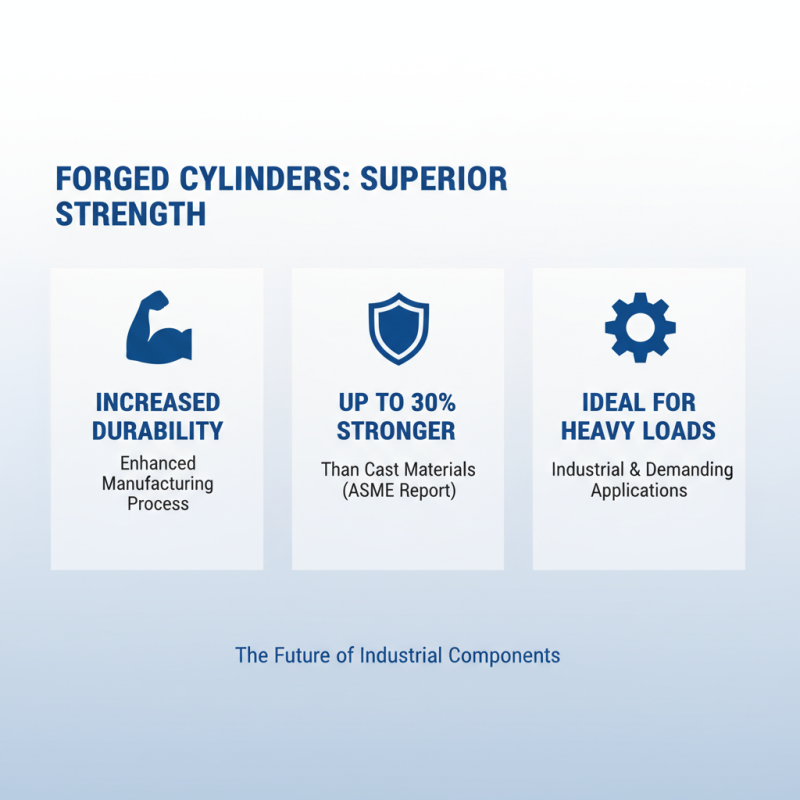
Forged cylinders are becoming increasingly popular in various industries. Their manufacturing process enhances durability and strength. A report from the American Society of Mechanical Engineers indicates that forged materials exhibit up to 30% greater tensile strength than cast alternatives. This increased strength makes forged cylinders ideal for heavy-duty applications.
One major advantage of forged cylinders is their resistance to fatigue. They can withstand repeated stress without failure. This aspect is particularly crucial in sectors such as aerospace and automotive, where safety is paramount. According to industry studies, parts made from forged steel are often 15% lighter, which leads to improved efficiency and performance.
Moreover, forged cylinders have better shock resistance. This quality is essential in high-impact environments. The lack of internal voids or defects in forged materials contributes to this resilience. A survey revealed that engineers prefer forged components over cast ones due to their consistency and reliability. However, the higher cost of forging can be a barrier for some manufacturers. Balancing performance with budgeting is an ongoing challenge.