Hot Forging Parts Best Suppliers for Global Buyers?
In today's competitive market, sourcing high-quality hot forging parts is essential for manufacturers. Many global buyers struggle to identify reliable suppliers. This sector requires not only advanced technology but also expert craftsmanship. The demand for hot forging parts continues to grow, driven by industries like automotive, aerospace, and machinery.
Choosing the right supplier can be challenging. Buyers must consider various factors, from production capacity to material quality. Some suppliers may promise the best prices, but that can lead to compromised quality. Often, suppliers from regions with strong manufacturing reputations stand out. Buyers need to evaluate suppliers based on their track record and customer testimonials.
However, not all suppliers maintain consistent standards. It is vital to also learn from past experiences and mistakes. Engage in regular communication with potential suppliers. Understand their processes and capabilities. As buyers navigate this landscape, developing a clear strategy for evaluating hot forging parts suppliers becomes increasingly important.
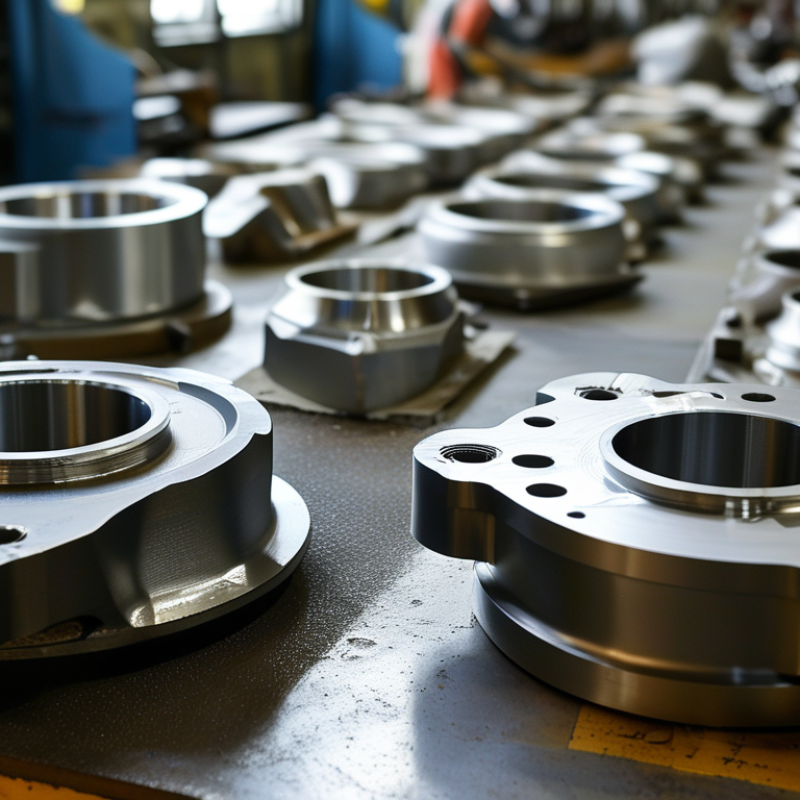
Overview of Hot Forging Process and Benefits
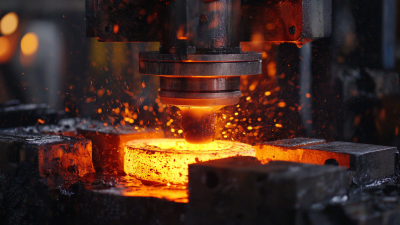
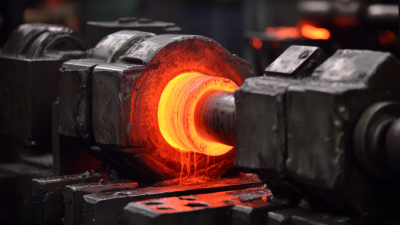
Hot forging is a manufacturing process known for its efficiency and durability. This method involves shaping metal using compressive forces at elevated temperatures. According to recent industry reports, the global hot forging market is projected to reach $32 billion by 2026. This growth is driven by the demand for high-performance components in automotive and aerospace sectors.
The benefits of hot forging are significant. It enhances the material's mechanical properties, making it stronger and more ductile. Forging reduces the risk of defects, as the process eliminates porosity and improves grain structure. Research indicates that components produced through hot forging can have a tensile strength up to 30% higher than those made through other methods. However, the initial investment can be substantial, which requires careful consideration from buyers.
While hot forging offers many advantages, challenges remain. Precision in temperature control is crucial. Inconsistent heat can lead to variations in strength and quality. Furthermore, the costs associated with tooling and setup can deter smaller manufacturers. Evaluating these factors is essential for buyers aiming to invest in hot forging solutions.
Key Factors to Consider When Choosing Hot Forging Suppliers
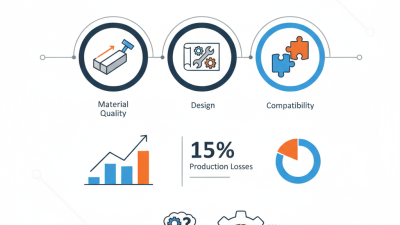
When selecting hot forging suppliers, several key factors should be prioritized. Quality assurance is paramount. A supplier should demonstrate a commitment to high standards. Certifications such as ISO 9001 can indicate reliability. According to industry reports, consistent quality reduces downstream processing costs by up to 15%.
Cost is not the only factor. While competitive pricing is important, understanding the total cost of ownership is crucial. Hidden costs can arise from delays and poor quality. Research shows that over 30% of companies experience unplanned expenses due to supplier issues.
Geographical location matters too. Proximity can influence lead times. Suppliers closer to the buyer often provide faster service. Additionally, understanding a supplier’s technical capabilities is vital. They should be equipped for custom forging solutions. This aligns with evolving industry demands. Remember, evaluating a supplier goes beyond initial impressions. Listen to feedback from peers in the industry. Engaging with existing customers can reveal insights that reports may not capture.
Key Factors to Consider When Choosing Hot Forging Suppliers
Top Global Suppliers of Hot Forging Parts by Region
When considering hot forging parts, the global landscape offers numerous suppliers. Each region boasts unique capabilities and specialties.
North America is known for its advanced technology and stringent quality control. Their suppliers often utilize cutting-edge machinery, ensuring precision in forging tasks.
In Europe, suppliers focus on a blend of tradition and innovation. They provide custom solutions tailored to various industries, from automotive to aerospace.
Asia represents a significant player in the hot forging market. Suppliers here often combine speed and efficiency with cost-effective solutions. Their ability to handle large volumes makes them appealing for bulk orders.
However, potential buyers should assess the quality consistency among different suppliers. It can vary widely.
Tip: Always request samples to evaluate quality before placing larger orders. This allows you to gauge both material strength and finish.
Another consideration is the supplier's communication. A responsive supplier typically indicates a better overall partnership. By taking these steps, you can make informed decisions and find reliable hot forging parts suppliers globally.
Quality Standards and Certifications for Hot Forging Suppliers
When selecting hot forging suppliers, quality standards are paramount.
ISO 9001 certification is a starting point. This certification ensures that suppliers maintain quality management systems. Additionally, suppliers should follow industry-specific standards, such as ASTM or SAE. These standards indicate that the materials meet certain performance and safety criteria.
According to a recent report by TechSci Research, the global hot forging market was valued at approximately $25 billion in 2020 and is expected to grow significantly by 2026. This data highlights the increasing demand for high-quality forged components. Buyers should look for suppliers who not only hold relevant certifications but also demonstrate a commitment to continuous improvement and innovation in their processes.
Tips: Always ask for proof of certifications. It’s essential to evaluate the supplier's track record. Consider their ability to meet your specific requirements. Engage in discussions about their quality assurance practices. This can provide valuable insights into their operations and reliability.
Future Trends in the Hot Forging Industry and Supplier Landscape
The hot forging industry is evolving rapidly. As global demand surges, new technologies are reshaping supplier capabilities. Automation, for instance, enhances precision and lowers production costs. This shift requires suppliers to upskill their workforce and invest in advanced machinery. Traditional practices may not suffice in this competitive landscape.
Sustainability is another key trend. Buyers increasingly prefer suppliers who prioritize eco-friendly processes. This not only fulfills regulatory requirements but also meets consumer preferences. The integration of recycled materials in production is gaining traction. However, not all suppliers have adapted to these changes. Some still rely on outdated methods, risking their market position.
Collaboration is vital for success. Suppliers and buyers should engage in transparent communication regarding expectations. Sharing best practices can foster innovation and drive improvement. As the industry grows, adaptability will separate successful suppliers from the rest. Embracing change while reflecting on current operations is essential for long-term viability.