How to Source Other Auto Parts from Global Suppliers?
Sourcing Other Auto Parts from global suppliers can reduce costs, expand product choices, and strengthen an automotive business. Yet international purchasing requires more than comparing online prices. Buyers must evaluate product quality, supplier experience, factory capacity, communication, and after-sales support. A polished catalog does not guarantee reliable production.
Experienced sourcing teams usually begin with a clear parts list. They define dimensions, materials, performance requirements, packaging, and target markets. For example, a brake component may need precise measurements, heat-resistant materials, and traceable test records. Simple details matter. A missing thread specification can create expensive delays.
Supplier verification should include business registration, production evidence, quality certificates, inspection procedures, and customer references. Video calls can reveal useful details, such as active assembly lines or labeled inventory. However, one factory tour is not enough. Independent inspections and sample testing provide stronger evidence before full payment or mass production.
A dependable agreement should clarify specifications, tolerances, delivery dates, warranty terms, payment stages, and remedies for defects. Buyers should also confirm customs documents and import requirements for each destination. Rules differ across markets and may change. Professional advice is valuable when compliance is uncertain.
No sourcing plan is flawless. Samples may pass while later batches vary. Shipping schedules can slip. Communication can fail. Therefore, this guide examines practical methods for finding, checking, and managing global suppliers. It focuses on informed decisions, documented evidence, and realistic risk control. The goal is not simply to locate a low-cost supplier, but to build a stable and accountable supply relationship.

Defining Your Auto Parts Sourcing Requirements
How to Source Other Auto Parts from Global Suppliers?
Defining Your Auto Parts Sourcing Requirements
Successful auto parts sourcing begins with a precise requirement sheet. Describe the part’s function, dimensions, material, finish, and operating conditions. Include drawings, reference numbers, acceptable tolerances, and required testing methods. Avoid vague terms such as “premium quality.” Suppliers may interpret them differently.
My first sourcing draft was too broad. It listed the product, but missed packaging and storage conditions. That omission created avoidable questions. Details matter. Specify the target quantity, annual demand, order frequency, and preferred production timeline. State whether you need samples before mass production. Define acceptable defect levels and inspection points before requesting quotations.
Commercial requirements deserve equal attention. Identify the destination country, delivery location, preferred trade terms, payment expectations, and required shipping documents. Check applicable safety, material, labeling, and environmental rules for the destination market. Ask for certificates, test reports, traceability records, and a written warranty policy. These documents support supplier evaluation and later quality investigations.
A practical requirement sheet should separate essential conditions from negotiable preferences. For example, a heat-resistant seal may require a fixed temperature range, while color could remain flexible. This distinction helps suppliers quote accurately. It also prevents unnecessary cost increases. I sometimes add too many “must-have” details, then discover that some were personal preferences. Reviewing the list with an engineer, quality specialist, and logistics colleague can expose those weaknesses before supplier contact.
Finding and Evaluating Global Auto Parts Suppliers
Finding reliable global auto parts suppliers requires more than comparing prices. Start with suppliers that show relevant manufacturing experience and clear technical knowledge. Review their product catalogs, material specifications, quality certificates, and production capacity. Ask for recent inspection reports and traceability records. A professional supplier should explain tolerances, testing methods, packaging, and delivery limits without avoiding details.
Request samples before placing a large order. Inspect dimensions, surface finish, labeling, and packaging damage. If possible, use an independent laboratory for safety-critical testing. Speak with two or three current customers about consistency and communication. Factory audits can reveal practical issues, such as poor storage or crowded inspection areas. Digital documents look convincing, but physical evidence matters more. I have found that fast replies do not always indicate strong production control.
Tips: Compare quotations using the same specifications and shipping terms. Confirm minimum order quantities, lead times, warranty procedures, and change-control rules in writing. Check whether the supplier can meet destination-market requirements. Keep a small trial order before expanding cooperation. A perfect supplier is uncommon. Even careful evaluation can miss seasonal delays or subcontracting risks. Build review points into the relationship, not only the first purchase.
Comparing Prices, Quality, Certifications, and Minimum Orders
Sourcing other auto parts from global suppliers requires more than comparing the lowest quotation. Request identical specifications from each supplier, including material grade, dimensions, tolerance, packaging, and delivery terms. A price difference may reflect better steel, tighter inspection, or safer packaging. It may also hide missing services. Ask for a detailed cost breakdown before negotiating.
Samples reveal more. Order a small batch and inspect fit, surface finish, markings, and packaging damage. For critical parts, use an independent laboratory to check strength, composition, or performance. Review quality records, inspection plans, and traceability documents. Certifications can support credibility, but a certificate alone proves little. Confirm its scope, validity, issuing body, and connection to the actual production site. Requirements also differ by destination market, so verify them with a qualified compliance professional.
Minimum order quantities can reshape the entire calculation. A supplier offering a low unit price may require 2,000 pieces, while your trial demand is only 300. Request a pilot order, mixed-part shipment, or staged production schedule. I have seen buyers ignore storage costs and slow-moving inventory during price comparisons. That was a costly oversight. Supplier reliability should include response speed, corrective-action quality, and consistency across repeated batches. Keep written records of approvals and changes. Small details matter. A careful comparison protects cash flow, product performance, and customer safety without relying on promises alone.
Managing Samples, Contracts, Payments, and Production
When sourcing auto parts globally, treat samples as evidence, not promises. Request production-intent samples, material certificates, dimensional reports, and clear photographs. Measure critical points with calibrated tools, including hole spacing, surface finish, and connector fit. Keep one approved sample under controlled storage. Small details matter.
A written contract should define drawings, tolerances, packaging, inspection rights, delivery terms, warranty limits, and corrective-action deadlines. Ask qualified legal and customs professionals to review local requirements before signing. Link payments to practical milestones: approved samples, completed production, passed inspection, and verified shipping documents. Avoid paying the full amount too early. Keep it written. A costly mistake is accepting vague language such as “standard quality.” That phrase can hide serious disagreements later.
During production, request weekly updates with dated photographs, batch numbers, and records of material changes. Use an independent inspection before final payment, especially for safety-related or high-volume components. The inspector should compare samples against the approved drawing, not personal judgment. If defects appear, pause shipment and document the failure clearly. I have seen teams approve rework too quickly, then discover inconsistent dimensions across the next batch. That experience changed my process: every correction now requires a revised sample, written acceptance, and a traceable production record. Suppliers should also explain their capacity, subcontracting controls, testing equipment, and contingency plans. Honest answers are more valuable than polished presentations.
How to Source Other Auto Parts from Global Suppliers?
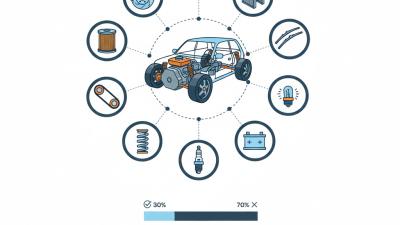
Typical business-day durations for managing samples, contracts, payments, and production in international automotive parts sourcing.
Sample validation and production usually require the most time, while contract finalization and payment processing can be completed more quickly when specifications, terms, and compliance documents are prepared in advance.
Arranging Inspection, Shipping, Customs, and After-Sales Support
How to Source Other Auto Parts from Global Suppliers?
Reliable sourcing begins after the supplier accepts your purchase order. Confirm specifications, material grades, dimensions, tolerances, and packaging in writing. Ask for production samples before approving bulk manufacturing. A third-party inspector can check quantity, appearance, measurements, and function before shipment. Do not inspect only the first carton. Random sampling often reveals inconsistent finishing or missing accessories.
Tips: Share clear inspection criteria. Photograph every defect. Keep signed reports, invoices, packing lists, and test certificates together. Confirm the correct HS code and customs requirements with a qualified broker before dispatch. Duties, labeling rules, and document formats can vary by destination. Use suitable shipping insurance and agree on delivery terms that define responsibility for freight, risk, and clearance. Small paperwork errors can delay a container for days.
After-sales support should be part of the agreement, not an informal promise. Set a response time, claim process, replacement policy, and evidence requirements. Ask how the supplier handles damaged parts, incorrect quantities, and repeated failures. A simple batch number on each box improves traceability. Keep spare units for urgent cases. No process is flawless. Inspection reduces risk, but it cannot replace careful supplier communication. I have seen buyers focus heavily on price and overlook packaging strength, then pay more for returns and customer complaints.