How to Select the Right Cold Forging Die for Your Manufacturing Needs?
Selecting the right cold forging die is crucial for manufacturing efficiency. The cold forging process enhances metal strength and reduces waste, making it a popular choice. Industry reports indicate that the global cold forging market is projected to grow by 6.3% from 2021 to 2028. This growth emphasizes the need for precise selection of cold forging dies.
Experts highlight the importance of understanding material properties and production goals when selecting dies. Dr. Emily Johnson, a leading authority in cold forging technology, states, "Choosing the correct die can significantly influence product quality and production costs." Her insights reflect the serious implications of a poor choice. Also, manufacturers often overlook the nuances of die design, which can lead to unexpected failures.
To avoid costly mistakes, it’s essential to consider various factors. These include die material, design complexity, and manufacturing volume. Merely focusing on cost can lead to inadequate performance. A thorough assessment will yield better results and enhance production capabilities. Balancing experience and expert advice is key in making the right decision.
Understanding Cold Forging and Its Applications
Cold forging is a highly efficient manufacturing process that reshapes metal at room temperature. This technique is widely used across industries, notably in automotive and aerospace sectors. Reports indicate that about 30% of machining operations can be replaced by cold forging. This results in significant cost savings and energy efficiency, making it a popular choice among manufacturers.
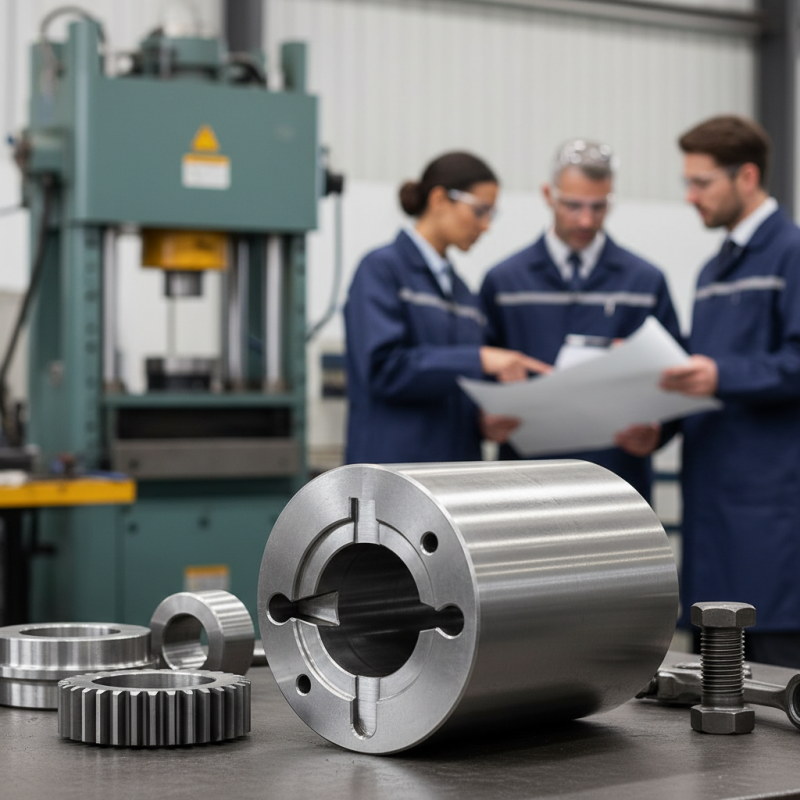
The applications of cold forging are vast. Components like gears, bolts, and connectors benefit from increased strength and reduced tolerances. The process also minimizes material waste, with industry studies showing potential material savings of up to 90%. However, selecting the right die for cold forging can be challenging. Issues may arise from die wear, improper designs, or material selection. Manufacturers must engage with experienced engineers to ensure the die design aligns with the intended application and production volume.
While cold forging presents many advantages, it is vital to acknowledge its limitations. Not all metals are suitable for cold forging, and some designs may require more complex machining. Evaluating the long-term performance of parts produced is crucial. Manufacturers should remain flexible, adapting their processes to continuously improve efficiency and product quality.
Key Factors Influencing Die Selection in Cold Forging
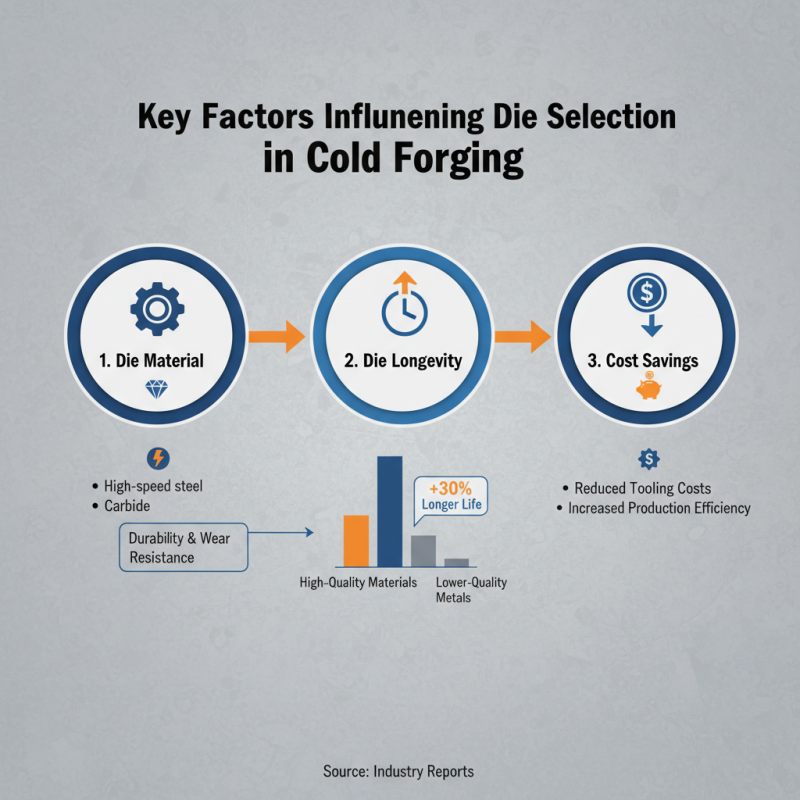
When selecting a cold forging die, several key factors come into play. The material of the die is crucial. High-speed steel and carbide are commonly used because of their durability and resistance to wear. According to industry reports, dies made from these materials can last up to 30% longer than those made from lower-quality metals. This longevity translates into cost savings for manufacturers.
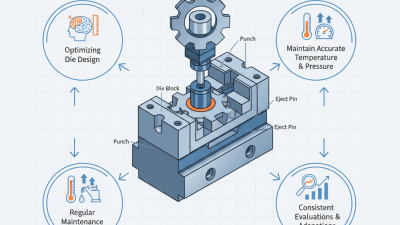
The design of the die is another significant consideration. Precision in design ensures that manufacturers achieve the desired tolerances and surface finishes in the final product. A well-designed die can reduce machining time by as much as 25%, enhancing overall productivity. Furthermore, manufacturers should consider the complexity of the part being forged. More intricate designs may require advanced die technologies, which can increase initial costs but pay off in efficiency over time.
Temperature control during the forging process also impacts die selection. Maintaining the right temperature can prevent defects, such as cracking or warping. Studies indicate that optimal temperature ranges can enhance material flow, resulting in better-quality parts. Reflecting on these factors is essential; overlooking them can lead to increased rejection rates and waste in production.
Types of Cold Forging Dies and Their Specifications
When selecting cold forging dies, understanding the various types and their specifications is crucial. There are several types of cold forging dies, including open dies, closed dies, and threaded dies. Each type serves a distinct purpose in the manufacturing process. Open dies allow for more complex shapes but may lead to less precise dimensions. Closed dies, on the other hand, provide better control over the final dimensions but require higher initial investment. Threaded dies are specialized for creating screw or bolt shapes and are often used in the automotive industry.
The specifications of these dies are vital for achieving optimal results. Material choice is a key factor. Steel dies are common, due to their strength and durability. However, they may wear down quicker than other materials. The hardness of the die also impacts its lifespan and performance. Higher hardness generally means better wear resistance, but it can also be more brittle. Flaws in the die design can lead to defects in the forged parts. An experienced engineer must carefully evaluate these specifications to find the right match for the manufacturing needs. Small errors in selection can lead to significant production setbacks.
Evaluating Material Compatibility for Cold Forging Dies
Choosing the right cold forging die requires careful evaluation of material compatibility. This is crucial for optimizing production processes. Factors such as material hardness, ductility, and strength play significant roles. A study from the Forging Industry Association highlights that 70% of manufacturing defects result from improper material selection.
When assessing materials, consider the die's performance under stress. Cold forging dies typically use tool steels, known for their resistance to wear. However, not all tool steels are equal. For instance, some grades may not withstand high temperatures. A 2022 report revealed that up to 30% of failed dies were traced back to material incompatibility.
Moreover, it is essential to analyze the intended forging application. High-strength alloys require specialized dies. Using standard dies on high-performance materials often leads to unexpected failures. An industry survey indicated that up to 25% of manufacturers encounter unexpected die wear due to this oversight. Reflecting on material compatibility is vital for long-term cost efficiency and production reliability.
Best Practices for Maintenance and Longevity of Forging Dies
Maintaining the longevity of forging dies is crucial for optimal manufacturing. Regular inspections can identify early signs of wear and tear. Data shows that a well-maintained die can increase its lifespan by up to 30%. Visual inspections should focus on surface cracks and deformation. Keeping a log of maintenance activities can aid in recognizing patterns of wear.
Proper lubrication is another key factor. A study indicates that appropriate lubrication can reduce friction and extend die life significantly. Selecting the right lubricant, based on material and operating conditions, is essential. Over-lubricating can cause contamination, while under-lubricating may lead to overheating. Each manufacturing process has its unique requirements that necessitate precise lubrication strategies.
Furthermore, temperature control is pivotal. A controlled environment prevents thermal fatigue. Rapid temperature changes can cause additional stress on the material. Monitoring the working temperature helps ensure that the dies are not subjected to unnecessary strain. Without a robust temperature management plan, manufacturers risk costly downtimes and unexpected failures. Focusing on these strategies can improve die performance and longevity.
How to Select the Right Cold Forging Die for Your Manufacturing Needs?
| Die Type |
Material |
Application |
Maintenance Tips |
Expected Longevity |
| Progressive Die |
H13 Tool Steel |
Automotive Parts |
Regular Lubrication |
2-3 million cycles |
| Single Action Die |
S7 Tool Steel |
Fasteners |
Inspect for Wear Regularly |
1-2 million cycles |
| Multi-Operation Die |
D2 Tool Steel |
Complex Parts |
Store Properly |
3-5 million cycles |
| Transfer Die |
P20 Tool Steel |
High Volume Production |
Clean After Each Use |
2-4 million cycles |