How to Select the Right Brass Forging Parts for Your Project?
Selecting the right brass forging parts can be a complex task. Renowned expert in metallurgy, Dr. James H. Miller, once said, "Choosing the right material is key to project success." Brass forging parts offer strength and durability for various applications. However, the selection process is not always straightforward.
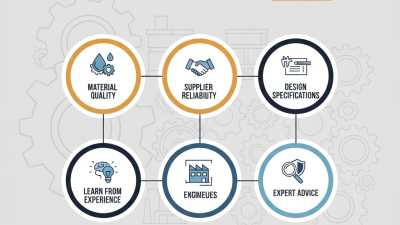
Quality matters. Not all brass forging parts are created equal. Parameters like alloy composition and manufacturing technique can affect performance. A minor oversight here can lead to project delays or failures. Pay attention to detail. Seek suppliers with a strong reputation.
Cost is another important factor. While it might be tempting to choose cheaper options, compromise could lead to bigger issues. Understand the long-term value of using the right brass forging parts. Balancing quality and cost is essential. A thoughtful approach can make a significant difference in your project's outcome.
Understanding Brass Forging and Its Applications in Various Industries
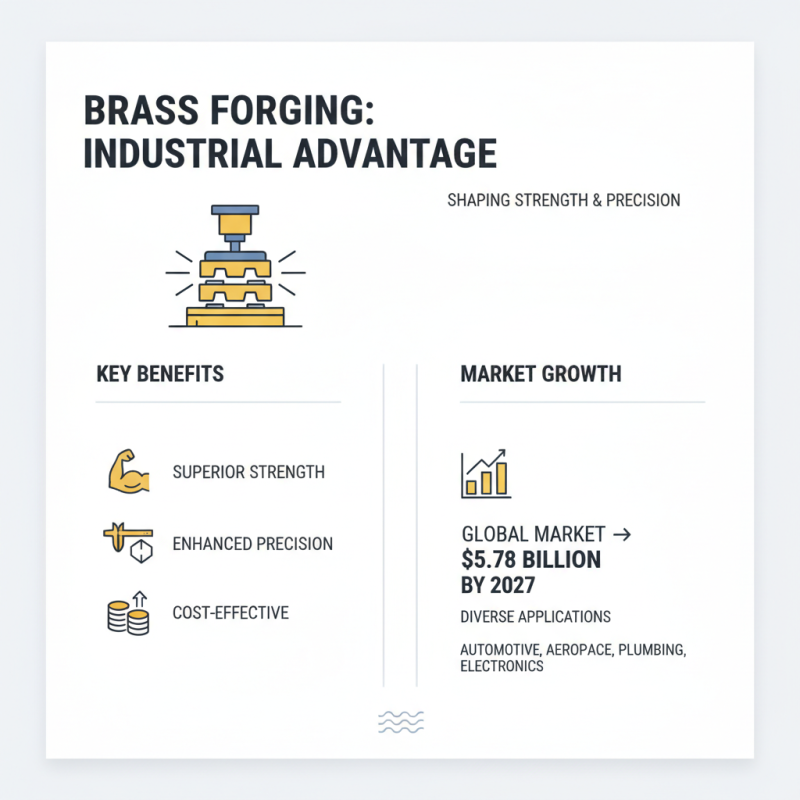
Brass forging is crucial in many industries. It involves shaping brass through high pressure. This process results in parts with superior strength and precision. Recent studies show that the global brass market is projected to reach $5.78 billion by 2027. This reflects its diverse applications.
In automotive manufacturing, brass forging parts are essential for durability. They resist corrosion better than many alternatives. For example, brass fittings are used in plumbing and HVAC systems. These systems demand high reliability. In electronic devices, brass components ensure optimal conductivity. They often outperform plastic in this regard.
Still, selecting the right brass parts requires careful consideration. Not all brass is the same. Variations in composition affect mechanical properties. Some might not withstand high temperatures. A detailed understanding of your project requirements is vital. Small mistakes can lead to significant failures in functionality. Regularly reviewing industry reports can guide informed decisions. Adaptation and learning from past selections are key to success.
Key Factors to Consider When Choosing Brass Forging Parts
When selecting brass forging parts, specific factors are crucial to ensure optimal performance and reliability. The most vital consideration is material quality. Brass alloys vary significantly. For instance, industry reports indicate that C36000, known for excellent machinability, is often preferred for precision applications. This alloy contains about 61% copper, ensuring durability and resistance to corrosion. However, not all applications require high-grade alloys. In some cases, using less expensive alternatives can be a smart choice, though long-term performance may suffer.
Another key aspect is the forging process itself. Hot forging typically delivers better mechanical properties than cold forging, enhancing strength and reducing brittleness. Yet, this comes with higher production costs. Some manufacturers may cut corners in tooling or heating. This can lead to defects in the final product. Studies suggest that about 15% of forged parts may end up with dimensional inaccuracies if quality controls are insufficient. Balancing cost and quality is essential to avoid such issues.
Lastly, the intended application defines the specifications. High-stress environments demand robust designs and thorough testing. In contrast, low-stress applications might allow for more flexibility in material selection. Engaging with experienced engineers and conducting a thorough review of design requirements can significantly reduce risks. It's important to acknowledge that every project is unique. Understanding these nuances is vital for selecting the right brass forging parts.
Analyzing the Mechanical Properties of Brass Alloys for Forging
When selecting the right brass forging parts, understanding the mechanical properties of brass alloys is crucial. Brass is primarily an alloy of copper and zinc, and its composition significantly affects its strength, ductility, and corrosion resistance. For example, a higher zinc content enhances strength but can reduce ductility. This trade-off might not be immediately obvious. Careful analysis is necessary to match the alloy with your project needs.
Mechanical properties vary between different brass grades. For instance, leaded brass is easier to machine, while standard brass offers better corrosion resistance. If your project involves exposure to harsh conditions, such as marine environments, the choice of alloy becomes even more critical. Additionally, the forging process can alter these properties, possibly leading to unexpected challenges. People often overlook the effects of heat treatment and alloying elements, which can alter hardness and other characteristics.
Measuring properties like tensile strength and yield strength is essential. However, it isn’t always straightforward. Misjudgments can occur without proper testing methods. A lack of understanding might result in material failures or project delays. Therefore, deeper exploration into the specific brass alloy required for your project will yield more reliable outcomes.
Mechanical Properties of Brass Alloys for Forging
This chart illustrates the comparative mechanical properties of different brass alloys commonly used in forging applications.
Evaluating Cost and Durability in Brass Forging Project Requirements
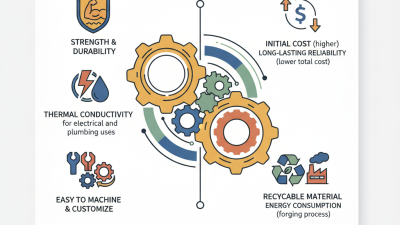
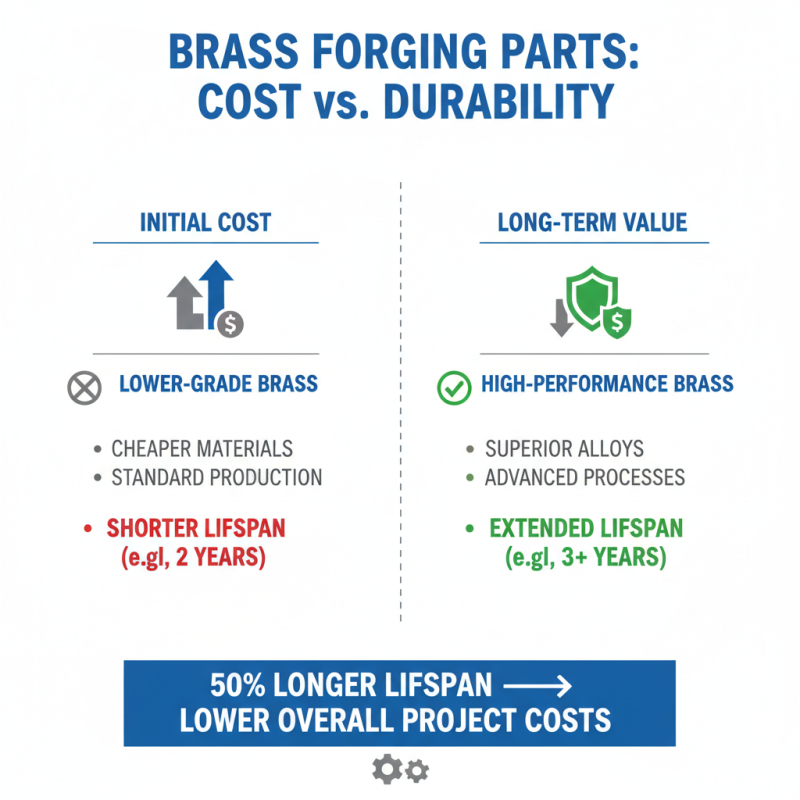
When selecting brass forging parts, evaluating cost and durability is crucial. Cost often reflects the quality of materials and production processes. Reports show that higher quality brass alloys can significantly improve the lifespan of components. For instance, components made from high-performance brass may outlast lower-grade options by over 50%. This longevity can lead to lower overall project costs, despite higher initial expenses.
Tip: Always request samples before making a large order. This allows you to assess the material’s durability and performance firsthand. Testing the samples under real project conditions can prevent future failures.
Durability is influenced by factors such as the environment and stress levels. Brass is known for its corrosion resistance, yet its performance may vary based on the specific type used. For example, some brass alloys perform poorly in high-humidity environments. A project might suffer delays or failures if the wrong alloy is chosen. Balancing cost and durability is not always straightforward.
Tip: Collaborate with experts familiar with brass properties. Their guidance can lead you to make informed decisions that align with your project's specific needs. Understanding the nuances of brass can highlight potential pitfalls and enhance durability.
Common Industries Utilizing Brass Forging Parts and Their Specific Needs
Brass forging parts are crucial in several industries. The plumbing sector often requires durable and corrosion-resistant components. These parts need to withstand high pressure and varying temperatures. Precision is essential. A slight flaw can lead to significant issues.
In the automotive industry, brass is used for fittings and connectors. Components must meet strict specifications to ensure safety and efficiency. However, manufacturers sometimes overlook minor details in production. This can result in parts that don't fit correctly or fail prematurely.
Electronics also utilize brass forging parts, especially in connectors. These parts must provide excellent conductivity and reliability. Any inconsistency during manufacturing could compromise performance. Addressing these manufacturing challenges is vital for meeting industry demands.
How to Select the Right Brass Forging Parts for Your Project?
| Industry |
Common Applications |
Specific Needs |
Key Considerations |
| Automotive |
Fluid control parts, connectors |
Durability, corrosion resistance |
Weight savings, high precision |
| Aerospace |
Fasteners, valve components |
Lightweight, high strength |
Tight tolerances, reliability |
| Electrical |
Connectors, housing |
Conductivity, thermal management |
Electromagnetic compatibility |
| Plumbing |
Valves, fittings |
Leak-proof, pressure resistance |
Ease of installation, maintenance |
| Industrial Machinery |
Bushings, gears |
Wear resistance, strength |
Lubrication needs, operational efficiency |