How to Source High Quality Forged Aluminum Parts Efficiently?
Sourcing high-quality forged aluminum parts is crucial for various industries. The demand for these parts continues to rise due to their lightweight nature and excellent strength. Companies often face challenges in finding reliable suppliers that meet quality standards.
Quality is the key, but not easy to achieve. Many suppliers offer forged aluminum parts, yet inconsistency is common. Some may not use proper processes, resulting in defects. This reality can lead to increased costs and delays. Engaging with experienced suppliers is essential for ensuring high standards.
Consider factors such as material sourcing, production techniques, and testing methods. Evaluating a supplier's reputation is equally important. Customer feedback often reveals much about their reliability. Therefore, building a strong partnership with a reputable supplier can make a significant difference in sourcing forged aluminum parts efficiently.
Understanding Forged Aluminum: Benefits and Applications
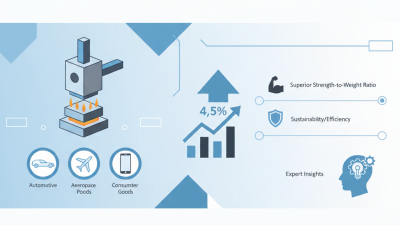
Forged aluminum is increasingly popular due to its strength and lightweight properties. Industries like aerospace and automotive are leveraging these advantages. According to a recent report by Grand View Research, the global forged aluminum market is expected to reach $30 billion by 2025. This growth emphasizes the material's importance in high-performance applications.
The benefits of forged aluminum are numerous. It offers a superior strength-to-weight ratio compared to traditional aluminum. Forging enhances the grain structure of the metal, increasing its durability. Additionally, forged aluminum components can withstand extreme temperatures and pressures, making them ideal for critical applications.
When sourcing forged aluminum parts, consider these tips:
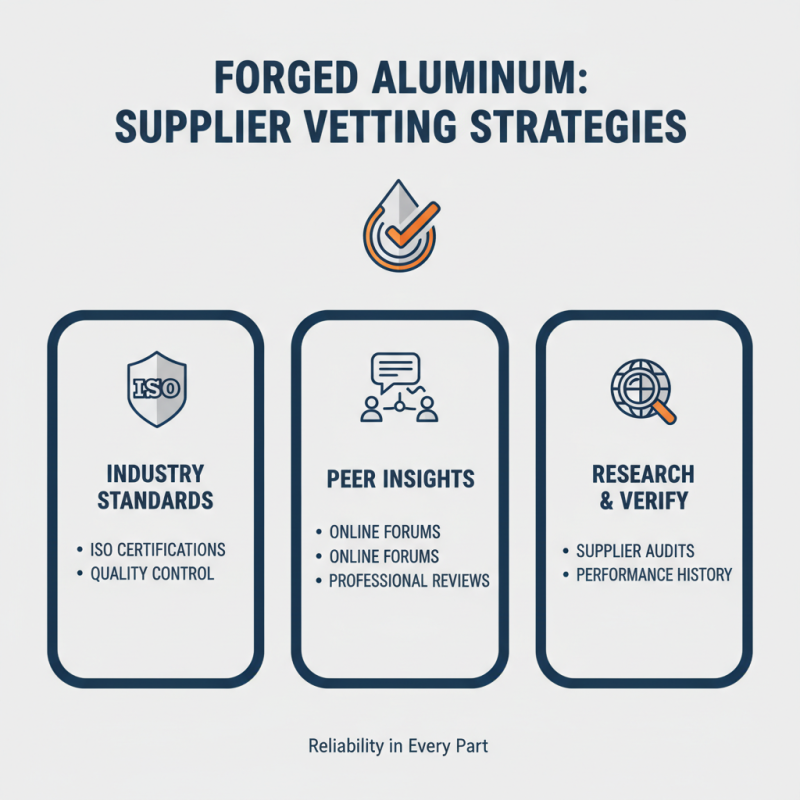
- Evaluate suppliers based on their capabilities and certifications.
- Inspect past projects to ensure quality and reliability.
- Don't overlook the importance of testing protocols; they reflect commitment to excellence.
Finding reliable sources may take time. Not all suppliers meet industry standards.
Research is essential to avoid pitfalls that can lead to subpar products. Stay informed about emerging technologies in the forging process. Innovations can significantly enhance material performance and application versatility, making this field dynamic and competitive.
Key Characteristics of High-Quality Forged Aluminum Parts
When sourcing high-quality forged aluminum parts, understanding key characteristics is crucial. High-quality aluminum parts often exhibit excellent strength-to-weight ratios. This means they are not only lightweight but also robust. The forging process enhances the grain structure, leading to better mechanical properties. Look for parts that have undergone optimized heat treatment. This treatment can significantly improve durability and performance.
Surface finish plays an important role too. A smooth surface can reduce wear and tear, promoting longevity. Pay attention to any signs of porosity or inclusions. These imperfections can compromise the part's integrity over time. Additionally, consider the consistency of dimensions. Tolerance levels should meet industry standards. Inconsistencies can lead to poor fit and ultimately affect performance.
Yet, sourcing these parts is not always straightforward. Some manufacturers may promise quality but fail to deliver. It's vital to review certifications and past performance. Engaging with suppliers who have solid reputations enhances reliability. Trust but verify; always request samples before making large orders. This extra step can prevent costly mistakes in the long run.
How to Source High Quality Forged Aluminum Parts Efficiently? - Key Characteristics of High-Quality Forged Aluminum Parts
| Characteristic |
Description |
Importance |
Measurement Method |
| Material Purity |
High-quality aluminum should have specific alloy compositions with minimal impurities. |
Crucial for strength and durability of the parts. |
Spectroscopic analysis and chemical composition testing. |
| Dimensional Accuracy |
The forged parts must meet specific tolerances for fit and function. |
Important for assembly with other components. |
Caliper measurements and 3D scanning. |
| Surface Finish |
A smooth surface that enhances appearance and corrosion resistance. |
Affects longevity and aesthetics of the part. |
Visual inspection and surface roughness testing. |
| Mechanical Properties |
High tensile strength, yield strength, and elongation are essential. |
Determines how well the part performs under stress. |
Tensile testing and hardness testing. |
| Cost Efficiency |
The balance between quality and production cost. |
Essential for maintaining profitability in production. |
Cost analysis and comparison of production methods. |
Essential Factors to Consider When Sourcing Forged Aluminum Parts
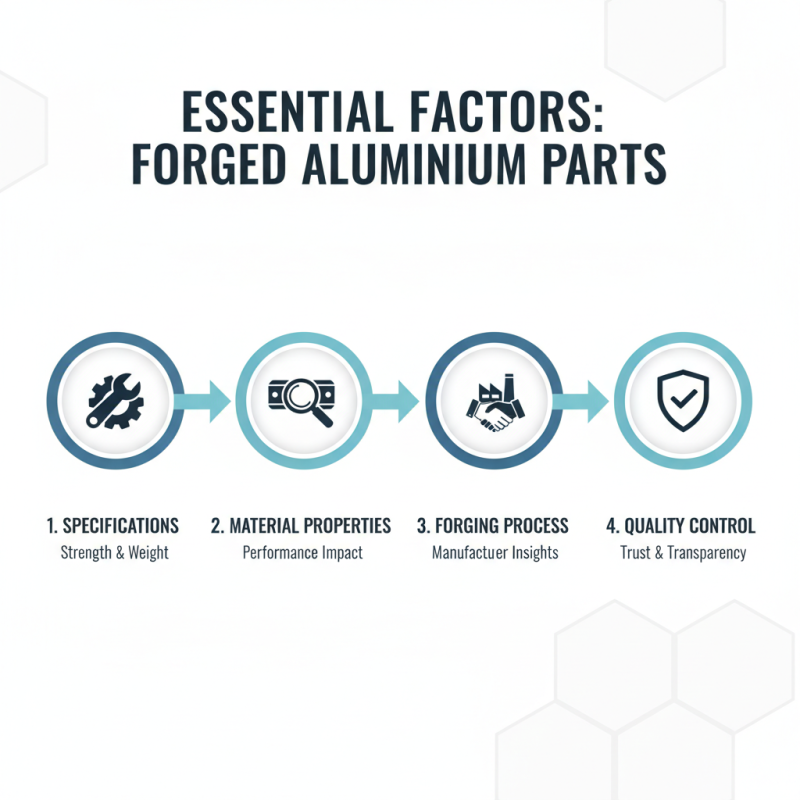
When sourcing high-quality forged aluminum parts, multiple essential factors must be considered. Understanding the forgings’ specifications is paramount. The material properties, such as strength and weight, directly impact performance. Manufacturers must provide insights into their forging processes and quality control measures. This transparency is crucial for establishing trust.
Tips: Always ask for samples before placing large orders. This helps gauge the manufacturer’s capabilities. Evaluate their past projects and client feedback to measure reliability. Quality checks, like hardness tests or dimensional accuracy assessments, are vital to ensure consistency.
Another critical aspect is the location of the supplier. Proximity can influence lead times and shipping costs. On the other hand, overseas suppliers may offer lower costs but can introduce complexities. Communication barriers and time zone differences may lead to misunderstandings. An ideal supplier should have a robust logistics capability for timely deliveries.
Tips: Establish clear communication channels with your supplier. Regular updates can prevent delays. Consider the total cost of ownership, including shipping, tariffs, and potential downtime. This way, you can balance quality and cost effectively.
Quality Control Measures for Ensuring Forged Aluminum Part Excellence
Quality control is vital in the manufacture of forged aluminum parts. To ensure excellence, implementing rigorous testing protocols is essential. According to a recent study by the Aluminum Association, defects in aluminum forging can account for nearly 20% of production failures. This statistic highlights the need for frequent assessments throughout the manufacturing process.
One effective quality control measure is using advanced non-destructive testing (NDT) methods. Techniques such as ultrasonic testing and radiographic inspection can detect internal flaws. A report from ASTM International indicates that NDT can enhance detection rates by up to 30%. Investing in these technologies can significantly reduce waste and improve overall product reliability.
Additionally, establishing a feedback loop with suppliers is crucial. Regular audits and performance reviews can identify potential issues early. A McKinsey report emphasizes that companies with strong supplier relationships see up to a 25% increase in quality compliance. This kind of collaboration fosters an environment of continuous improvement, helping to refine processes and enhance product quality over time.
Quality Control Measures for Forged Aluminum Parts
This chart represents the various quality control measures implemented during the production of forged aluminum parts and their effectiveness ratings.