How to Source High Quality Brass Forging Parts Globally?
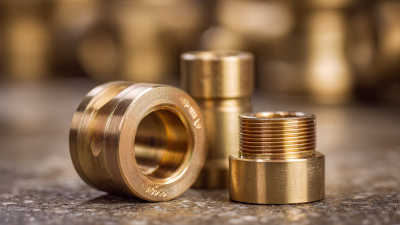
Sourcing high-quality brass forging parts globally is essential for manufacturers seeking durability and precision. Brass, known for its excellent corrosion resistance and malleability, is widely used in industries like automotive and plumbing. When looking for reliable suppliers, consider their expertise in producing brass forging parts.
Engaging with manufacturers who have a proven track record is crucial. Explore their certifications and customer reviews. Quality assurance processes should be transparent. Additionally, consider the geographical advantages that different regions provide. Some countries have specialized in brass forging, offering a rich pool of expertise.
However, challenges may arise. Not all suppliers meet the same standards. Conduct due diligence to verify their capabilities. Pay attention to the details, such as material sourcing and production techniques. Reflect on the evolving market demands. Strive for partnerships that emphasize quality and trust. By being proactive, you can source the best brass forging parts for your needs.
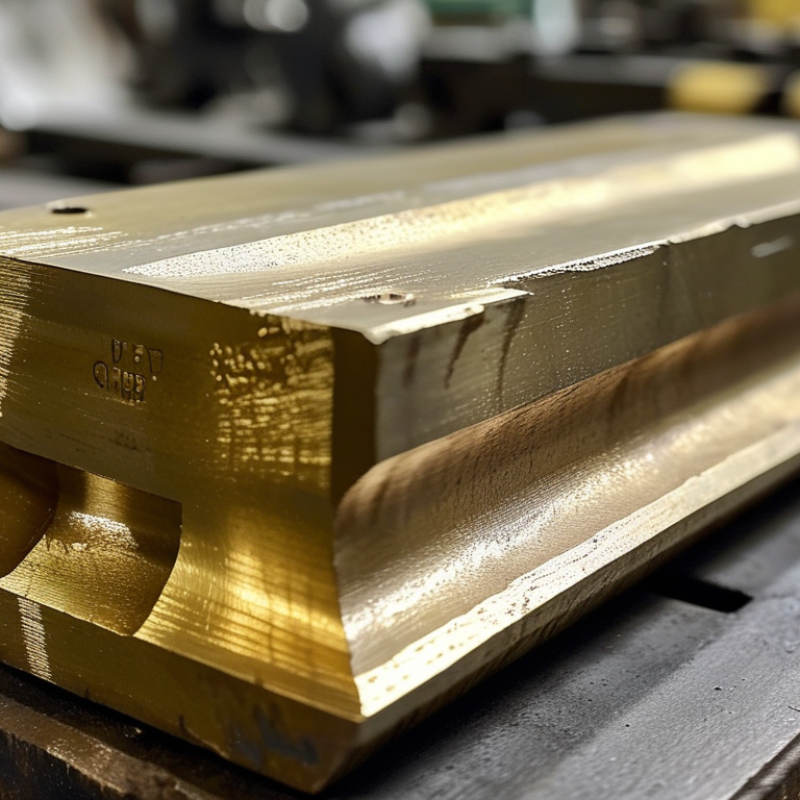
Understanding Brass Forging: Properties and Applications
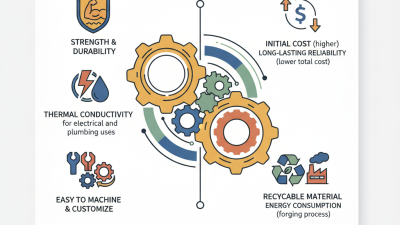
Brass forging has gained significant importance across various industries due to its unique properties. This metal alloy, primarily composed of copper and zinc, offers excellent corrosion resistance, strength, and malleability. Research indicates that brass parts exhibit over three times the lifespan of components made from standard steel in marine applications. The superior performance of brass in harsh environments makes it an ideal choice for plumbing, electrical, and automotive parts.
Aside from its durability, the aesthetic appeal of brass cannot be overlooked. It is often used in decorative applications where appearance is crucial. When sourcing brass forging parts, understanding their applications helps manufacturers make informed decisions. Market data suggests that the global brass forging market will grow by approximately 5.2% per year, driven by increasing demand for energy-efficient solutions and lightweight materials. However, sourcing high-quality brass can be challenging due to varying standards across manufacturers.
Transparency is a key consideration in sourcing. Many suppliers may not meet stringent quality checks. Engaging with trusted industry associations for recommendations can mitigate risks. It's essential to look for suppliers who provide detailed certifications and testing reports. Each step in sourcing should aim for the highest standards to ensure the final product meets expectations.
Identifying Reliable Global Suppliers of Brass Forging Parts
Sourcing high-quality brass forging parts globally requires a strategic approach. Identifying reliable suppliers is crucial in this process. According to industry reports, the global brass forging market was valued at approximately $4.5 billion in 2022 and is expected to grow steadily. This growth indicates a robust demand for quality parts across various sectors, including automotive and aerospace.
To find trustworthy suppliers, start by leveraging online platforms and industry networks. Look for suppliers with certifications such as ISO 9001. These certifications signal a commitment to quality management. It's essential to vet the suppliers thoroughly. Check their production capabilities and past performance. Engaging in direct communication can also reveal their reliability and responsiveness.
**Tips:**
Assess suppliers' reviews and testimonials. Seek those with consistent positive feedback.
Visit factories if possible, as this adds credibility to claims of quality.
Consider suppliers' geographic locations; proximity can affect shipping times and costs.
Quality control is paramount. Some suppliers may claim high standards but fail in practice. Regular audits and inspections can ensure that the products meet your specifications. Investing time in the supplier selection process can lead to long-term partnerships that enhance your supply chain.
Global Sources of High Quality Brass Forging Parts
This bar chart illustrates the quality ratings of different global suppliers of brass forging parts. Each supplier is rated on a scale from 0 to 100, with higher ratings indicating better quality products.
Evaluating Quality Standards in Brass Forging Manufacturing
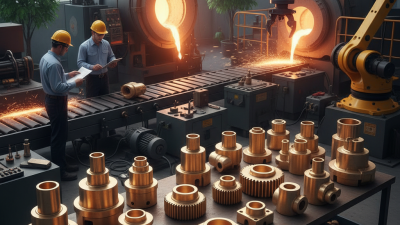
When sourcing high-quality brass forging parts, understanding quality standards is essential. Brass forging is a complex process that requires precision. Manufacturers should follow stringent benchmarks to ensure durability and performance. International standards like ISO 9001 provide guidelines for maintaining quality. They focus on effective management systems that can enhance the production process.
It's vital to evaluate the materials used in the forging process. The grade of brass impacts the final product. Sometimes, lower-grade materials might be used unexpectedly, leading to failures. A reliable supplier should provide full transparency about the material specifications. Regular testing methods for hardness, tensile strength, and corrosion resistance are indicators of quality.
Supplier certifications can showcase a commitment to excellence. However, some manufacturers may not adhere to these standards. Thus, conducting regular audits and visiting facilities can identify potential issues. Consistent communication with suppliers about quality parameters can lead to better outcomes. This ongoing dialogue can help clarify any misunderstandings regarding quality expectations.
Logistics and Shipping Considerations for Brass Parts Sourcing
Logistics and shipping are critical in sourcing high-quality brass forging parts. According to industry reports, about 60% of sourcing challenges stem from logistics inefficiencies. Delays in shipments can escalate costs significantly. Companies often underestimate lead times when sourcing globally.
Managing logistics involves several considerations. Choosing the right shipping method can impact delivery speeds and costs. Air freight is faster but more expensive. Sea freight, while cost-effective, requires careful planning to avoid delays. Opting for a reliable freight forwarder can mitigate some risks.
Data from the International Freight Forwarders Association indicates a 25% improvement in on-time delivery with experienced providers.
Regulatory compliance also plays a role. Import tariffs can vary widely by region, affecting overall expenses. Ensuring that documentation is rigorous can prevent unexpected holdups. Industry analysis reveals that improperly filled customs paperwork results in 30% of delays. Close attention to logistical details is necessary. Sourcing brass parts effectively requires a proactive approach to these logistics challenges.
Cost Analysis: Balancing Quality and Price in Brass Forgings
When sourcing high-quality brass forging parts globally, cost analysis is essential. Balancing quality and price ensures optimal value. Quality forgings often have higher initial costs, but their durability can reduce long-term expenses. Cheaper options may save money upfront but could lead to higher failure rates and replacement costs. This trade-off is crucial for businesses aiming for sustainability.
Tip: Always request samples before committing to large orders. This allows for a hands-on evaluation of quality. Inspecting the craftsmanship and material properties can reveal much about a supplier’s capabilities. Qualified providers will often welcome this opportunity, showcasing their confidence in product quality.
Additionally, consider the total cost of ownership. This includes shipping, import duties, and potential rework costs. Low-priced parts can quickly accumulate extra expenses. It's wise to create a cost-benefit analysis, aligning your findings with long-term operational goals. Reflect on past purchases and their performance. Did they meet your expectations? Understanding these metrics can refine future sourcing decisions.