Top Auto Parts Suppliers in China for Global Buyers?
The automotive industry is rapidly evolving, and China stands at the forefront of this transformation. As global demand for vehicles grows, so does the need for reliable auto parts suppliers. China boasts a vast network of manufacturers, supplying everything from engines to Other Auto Parts essential for vehicle assembly and maintenance.
However, navigating this complex market can be challenging. Buyers must assess quality, reliability, and innovation. Many suppliers may offer competitive prices but lack consistent quality. Understanding the key players in the Chinese auto parts market is crucial for making informed decisions.
In this landscape, selecting the right suppliers involves more than just economic factors. It's about building lasting relationships that ensure steady supply and quality assurance. Awareness of potential pitfalls can lead buyers to better options. The journey may appear daunting, yet the rewards of accessing top suppliers in China are significant for global buyers.
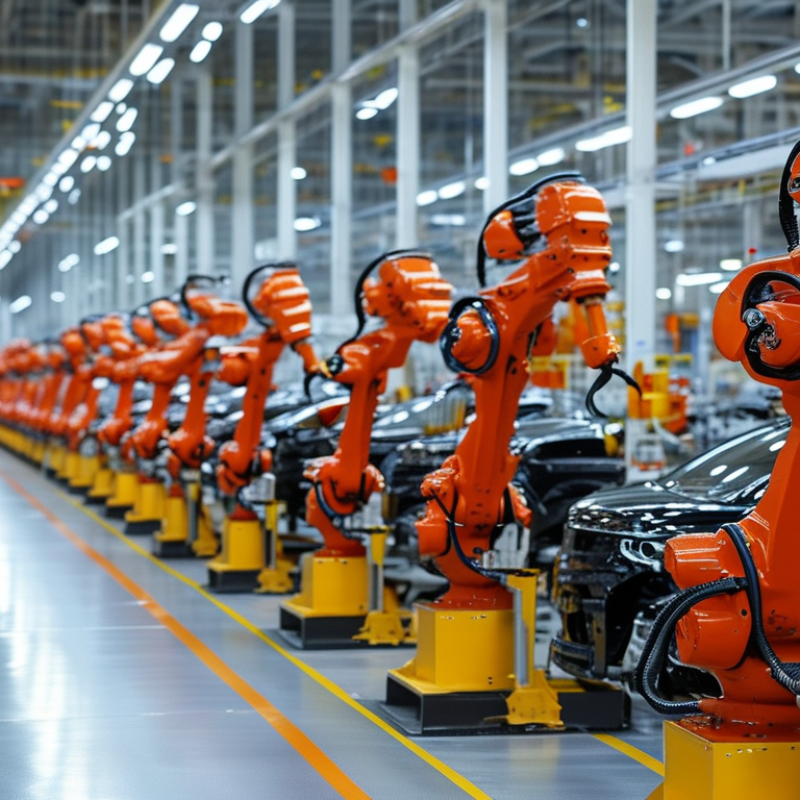
Overview of the Auto Parts Industry in China
The auto parts industry in China has shown remarkable growth over the past decade. According to a report by McKinsey, the market was valued at approximately $150 billion in 2020 and is projected to reach $250 billion by 2025. This growth is attributed to increasing vehicle production and rising demand for aftermarket parts, both domestically and globally. China's focus on electric vehicles further boosts the demand for advanced auto components.
China's auto parts supply chain is vast and complex. The country produces around 30% of the world's total auto parts. However, challenges exist. Quality control remains a concern for many global buyers. Inconsistent standards can lead to reliability issues. Additionally, with rapid advancements in technology, suppliers must adapt quickly. The shift toward smart and electric vehicles creates pressure to innovate continuously.
Investment in technology is crucial for competitive edge. Industry leaders emphasize the need for upgrades in manufacturing processes. Emerging technologies, like artificial intelligence, play a significant role. Yet, many suppliers struggle with the implementation of these new technologies. Collaboration between manufacturers and tech firms may bridge this gap and enhance overall quality.
Top Auto Parts Suppliers in China for Global Buyers
Key Players in the Chinese Auto Parts Market
The Chinese auto parts market is a thriving sector, crucial for global supply chains. In 2022, the market reached approximately $300 billion, indicating robust growth. Several key players dominate this landscape, contributing to its expansion. These companies specialize in diverse components, from mechanical parts to electronic systems. They have adopted advanced technologies, enhancing quality and efficiency in production.
Several factors influence the choice of suppliers for global buyers. Reliability is paramount; suppliers must deliver consistently high-quality products. Recent studies highlight that 70% of buyers prioritize suppliers with proven track records. Another essential aspect is cost-effectiveness. With rising competition, companies strive to offer better pricing while maintaining standards. Many manufacturers are shifting towards automation to reduce costs and improve output.
Buyers should pay attention to testing and certification processes. Ensuring parts meet global quality standards is vital. Additionally, communication plays a key role in partnerships. Establishing clear lines of communication helps in addressing issues promptly. It also fosters trust and transparency, which are crucial for long-term collaborations. Understanding these dynamics can enhance the buyer-supplier relationship in this competitive market.
Factors Driving Global Demand for Chinese Auto Parts
The demand for Chinese auto parts has been on the rise globally. Quality and affordability are key factors driving this trend. Chinese manufacturers offer competitive prices while maintaining reasonable quality. This appeals to buyers looking for cost-effective solutions. The rapid development of China's automotive technology also plays a crucial role. Advanced manufacturing processes attract global interest.
Moreover, the push for electric vehicles (EVs) is changing the landscape. Chinese suppliers are venturing into new markets with innovative products. The growing focus on sustainability creates opportunities for specialized parts. Many buyers appreciate the variety available from China. This includes everything from batteries to electronics.
However, challenges remain. Quality assurance can be inconsistent across different suppliers. Buyers must navigate these complexities. Identifying the right partners requires careful research and due diligence. Communication barriers may also arise when dealing with overseas suppliers. These factors require reflection and strategic planning from global buyers.
Challenges Faced by Global Buyers in Sourcing from China
Sourcing auto parts from China offers global buyers great advantages. However, this process is not without challenges. Language barriers can complicate communication significantly. Global buyers may find it difficult to convey their specific needs and requirements. Misunderstandings may lead to incorrect orders, resulting in delays and increased costs. According to a 2022 industry report, nearly 30% of international buyers faced issues due to miscommunication.
Quality assurance is another significant concern. Chinese manufacturers sometimes have different quality standards compared to Western markets. Global buyers must conduct thorough inspections and assessments. A recent survey revealed that 50% of buyers experienced quality issues with parts sourced from China. Establishing clear quality benchmarks is crucial for avoiding these pitfalls.
For smoother sourcing experiences, consider visiting suppliers to build rapport. Personal connections can foster trust and better cooperation. Moreover, using third-party inspection services can help ensure the parts meet expected standards. Assess your potential suppliers' certifications and track records. Verifying their credentials can minimize risks in your sourcing endeavor.
Future Trends in China’s Auto Parts Supply Chain
The future of China's auto parts supply chain is rapidly evolving. Digital transformation is reshaping procurement processes. Real-time data analytics enhances inventory management. Automation is gaining traction, making production lines more efficient. This shift helps manufacturers reduce costs and improve turnaround times. However, dependence on technology brings challenges. Companies must invest in cybersecurity to mitigate risks.
Sustainability is another significant trend in the auto parts industry. Consumers are increasingly demanding eco-friendly products. Manufacturers are introducing greener production methods. This pivot towards sustainability requires ongoing investment in research. However, not all suppliers can keep up. Smaller businesses may struggle, which could affect their market relevance.
Building strong relationships remains crucial in this landscape. Communication among stakeholders can lead to better collaboration. Understanding market demands is essential for adaptation. Successful companies actively seek feedback from clients. This feedback loop can reveal areas for improvement, driving innovation. Embracing these trends while being aware of their challenges can ensure sustained growth in the automotive supply chain.
Top Auto Parts Suppliers in China for Global Buyers
| Supplier Category |
Annual Revenue (in USD) |
Export Volume (in Units) |
Number of Employees |
Market Share (%) |
| Engine Components |
$1,000,000,000 |
500,000 |
5,000 |
20% |
| Electrical Systems |
$800,000,000 |
450,000 |
4,200 |
15% |
| Suspension Parts |
600,000,000 |
300,000 |
3,500 |
10% |
| Braking Systems |
550,000,000 |
250,000 |
3,000 |
8% |
| Body Parts |
400,000,000 |
200,000 |
2,500 |
5% |