Top 10 Forged Aluminum Parts Manufacturers in China You Should Know?
The forged aluminum parts industry is a cornerstone of modern manufacturing. According to Dr. Elena Song, a leading expert in metallurgical engineering, "The quality of forged aluminum parts directly impacts the performance of entire systems." Understanding who the key manufacturers are in this sector is crucial for businesses looking to ensure quality in their supply chain.
China plays a pivotal role in the production of forged aluminum parts. Many top manufacturers there have set high standards for quality and innovation. These companies leverage advanced techniques to create parts that are both lightweight and durable. However, not all manufacturers maintain the same level of excellence. Some struggle with consistency in quality or fail to adhere to international standards.
Identifying the best suppliers can be challenging. It requires careful research and a keen eye for detail. Businesses must weigh factors such as production capabilities, quality assurance processes, and customer reviews. In a market flooded with options, making informed choices is essential to avoid partners that may not meet expectations.
Overview of Forged Aluminum Parts and Their Applications
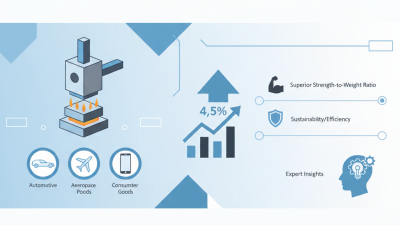
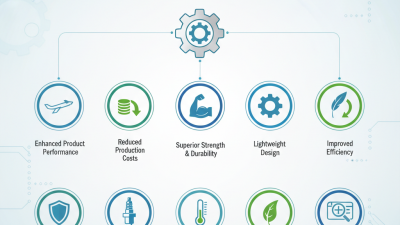
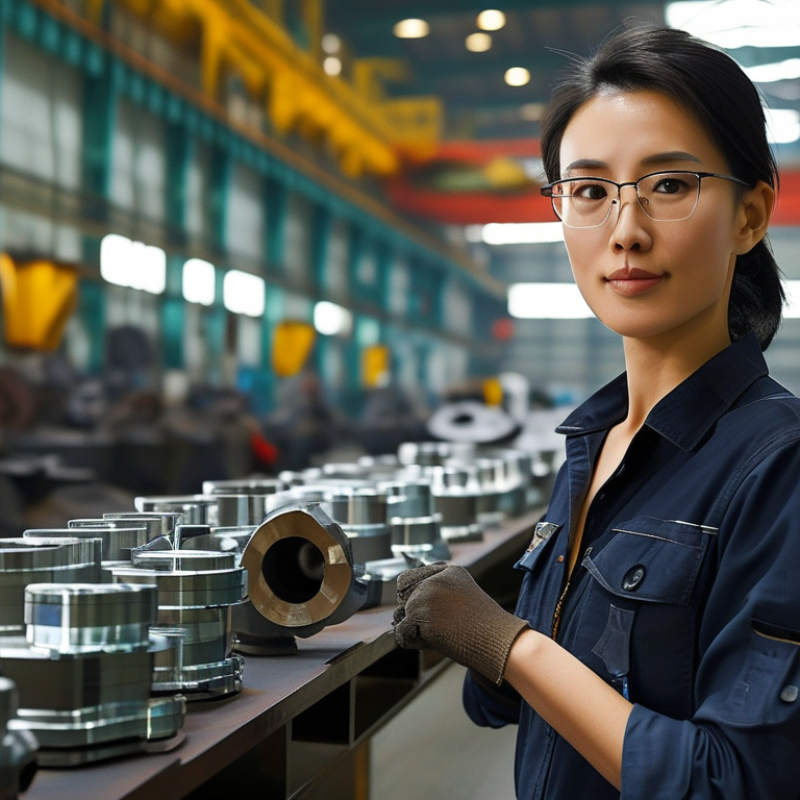
Forged aluminum parts are increasingly popular in various industries due to their strength and lightweight nature. These components are produced through a process that shapes aluminum under high pressure. This results in parts that are not only durable but also resistant to wear and fatigue. Such features make them ideal for applications in aerospace, automotive, and machinery.
In aerospace, forged aluminum components are crucial. They help meet stringent weight and performance demands. Similarly, the automotive sector utilizes these parts for improved fuel efficiency and reduced emissions. Their excellent thermal conductivity also finds applications in heat exchangers and electrical components. However, the production process is not without challenges. Ensuring consistency in quality and avoiding defects requires careful control and skilled craftsmanship.
The expanding use of forged aluminum highlights its importance. As industries continue to evolve, the need for innovative manufacturing techniques becomes vital. Despite advancements, manufacturers must constantly address issues such as material sourcing and environmental impact. Striking a balance between efficiency and sustainability remains a key concern.
Criteria for Selecting Top Manufacturers of Forged Aluminum Parts
When selecting top manufacturers of forged aluminum parts, consider production capabilities. Evaluate their machinery and technology used in the forging process. Advanced machinery often indicates higher precision and better quality products. Quality assurance measures are crucial. A manufacturer should follow strict quality control procedures to ensure reliability.
Tips: Ask for certifications. Standards like ISO can reflect a company's commitment to quality.
Another critical factor is the manufacturer's experience in the industry. Experienced companies tend to understand customer needs better. They adapt quickly to market changes. Check their industry reputation. Feedback from previous clients can give insights into their reliability.
Tips: Look for customer testimonials. They can help gauge the manufacturer's credibility.
Finally, consider the range of products offered. A manufacturer with diverse options can provide solutions for various applications. This flexibility is essential, especially in dynamic markets. Make sure to evaluate their after-sales support. Effective communication and assistance can make a significant difference in long-term partnerships.
List of Leading Forged Aluminum Parts Manufacturers in China
China has established itself as a leader in the production of forged aluminum parts. A report by MarketsandMarkets indicates that the global aluminum forgings market is projected to reach $20 billion by 2025. This growth is driven by the automotive and aerospace industries' increasing demand for lighter, strong materials. The Chinese manufacturers are capitalizing on this trend, leveraging advanced technologies.
The quality of forged aluminum parts is vital for numerous applications. Over 80% of forged components are used in critical sectors like aerospace and automotive manufacturing. According to industry experts, manufacturers must continuously improve processes to meet stringent safety and performance standards. However, variability in quality remains a challenge. Some manufacturers struggle with consistent production standards, leading to concerns about reliability.
Moreover, the market faces intense competition, pushing companies to innovate rapidly. Research shows that embracing automation can enhance production efficiency and minimize defects. Yet, not all manufacturers have adopted these modern techniques. This gap suggests an area for growth, presenting opportunities for those willing to invest in advanced manufacturing solutions.
Top 10 Forged Aluminum Parts Manufacturers in China
| Manufacturer Location |
Annual Production Capacity (tons) |
Quality Certification |
Key Industries Served |
Years in Business |
| Guangdong |
5000 |
ISO 9001 |
Automotive, Aerospace |
15 |
| Zhejiang |
3000 |
ISO 14001 |
Electronics, Medical |
10 |
| Shandong |
6000 |
IATF 16949 |
Transport, Construction |
20 |
| Jiangsu |
4500 |
ISO 45001 |
Aerospace, Defense |
18 |
| Shanghai |
4000 |
AS9100 |
Aerospace, Automotive |
12 |
| Tianjin |
3500 |
ISO 9001 |
Electronics, Telecommunications |
16 |
| Henan |
2000 |
ISO 14001 |
Construction, Machinery |
8 |
| Sichuan |
3000 |
IATF 16949 |
Transport, Aerospace |
14 |
| Guangxi |
1800 |
ISO 45001 |
General Manufacturing |
7 |
| Hubei |
2900 |
ISO 9001 |
Medical, Automotive |
15 |
Analysis of Manufacturing Techniques Used by Chinese Companies
In recent years, China has emerged as a significant player in the forged aluminum parts industry.
Manufacturing techniques employed by Chinese companies are diverse and continually evolving. The primary methods include
closed die forging, open die forging, and extrusion.
Closed die forging is particularly popular due to its ability to produce intricate shapes with high dimensional accuracy.
A report from the China Nonferrous Metals Industry Association noted that this process accounts for nearly 60% of the total aluminum forging output.
One notable trend is the increasing use of automation and advanced technology.
Many manufacturers are adopting computer numerical control (CNC) machines for precision.
According to a 2022 study by the China Machinery Industry Federation, around 40% of aluminum forging manufacturers have integrated advanced robotics into their operations.
However, not all companies have embraced these technologies. Smaller manufacturers often struggle with investment costs and lack of skilled labor.
This reflects a divide within the industry that may hinder overall progress.
Sustainability is also a critical factor in manufacturing techniques. Many Chinese companies are exploring eco-friendly practices,
but implementation varies widely. The demand for recycled aluminum is on the rise, yet only about 30% of manufacturers actively utilize this resource.
As the industry grapples with these challenges, continuous improvement in processes is essential.
The future of forged aluminum parts in China depends on the willingness to innovate and adapt.
Future Trends in the Forged Aluminum Parts Industry in China
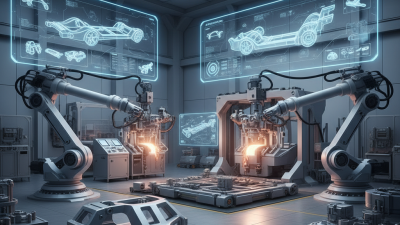
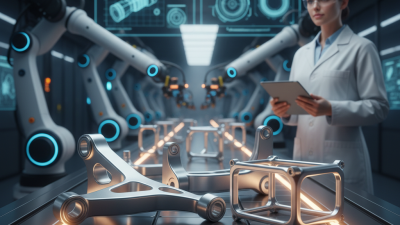
The forged aluminum parts industry in China is evolving rapidly. Manufacturers are adopting advanced technologies to enhance production efficiency. Automation plays a significant role in this shift. Companies are integrating robotics to improve precision in forging processes. However, workforce training becomes essential to maximize these technologies.
Sustainability is another critical trend. There's a growing demand for eco-friendly practices in manufacturing. Many companies aim to reduce waste during production. Recycled aluminum is gaining popularity, driving innovation in the industry. Yet, challenges remain in balancing cost and environmental responsibility.
The future also hinges on customization. Clients increasingly seek bespoke solutions tailored to specific needs. Manufacturers must adapt their processes to meet these demands effectively. Despite advancements, flexibility in production can pose logistical challenges. Companies must find ways to balance custom orders with efficiency. The path forward is fraught with opportunities and obstacles.
Forged Aluminum Parts Production in China (2023)