Top 10 Forged Steel Parts for Global Buyers to Consider?
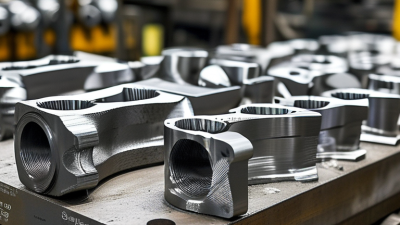
In the competitive landscape of manufacturing, global buyers are increasingly turning to forged steel parts. These components are known for their superior strength and reliability. According to a recent report by Market Research Future, the forged steel market is projected to reach $113 billion by 2027, with a CAGR of 5.2%. This data underscores the growing demand for high-quality forged steel parts across various industries.
Industry expert Dr. Emily Richards, a noted metallurgist, states, “The strength and durability of forged steel parts make them essential for heavy machinery and automotive applications.” Her insight highlights the critical role these components play in ensuring safety and performance standards.
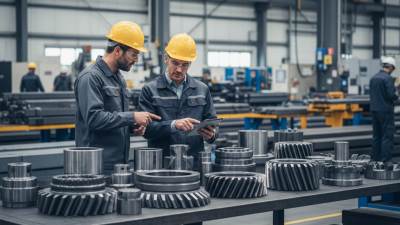
Despite the clear benefits, buyers face challenges in sourcing reliable suppliers. Quality variations exist, as not all manufacturers follow stringent quality control processes. It’s crucial to assess suppliers for their track record and certifications. Additionally, understanding specific requirements for forged steel parts can be complex and requires careful consideration. This complexity often leads to a need for expert advice and thorough research before making purchasing decisions.
Top 10 Forged Steel Parts Based on Industry Demand and Applications
The demand for forged steel parts continues to rise globally due to their versatility and strength. Industries such as automotive, aerospace, and construction rely heavily on these components. According to a recent analysis, the forged steel market is expected to exceed USD 150 billion by 2025, driven by increased infrastructure projects.
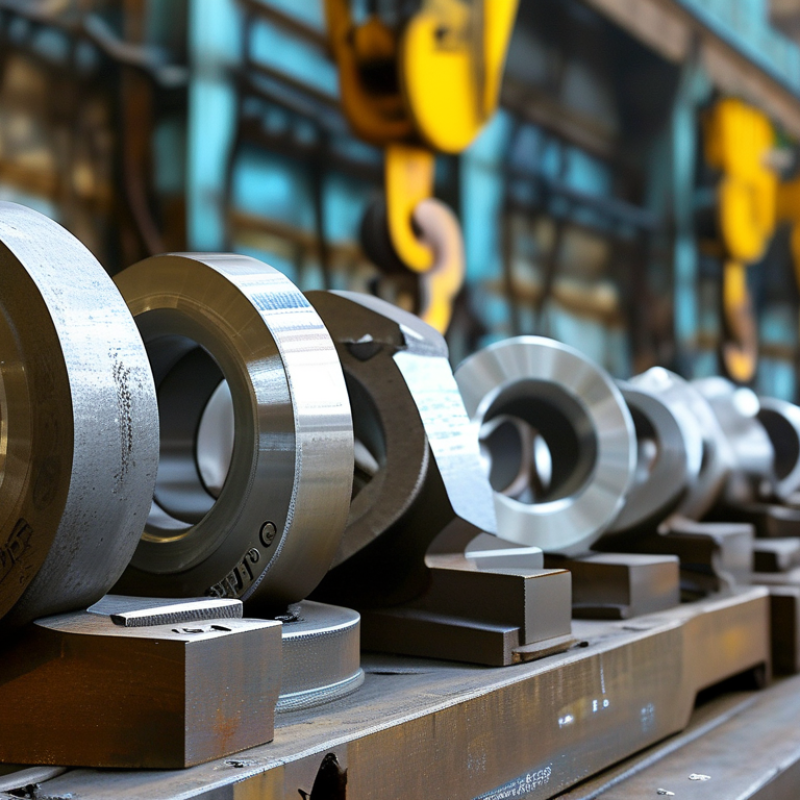
Forged steel parts are often preferred for their durability and ability to withstand high-stress applications. Essential items include forged gears, shafts, and valves. Each of these components plays a critical role in enhancing performance and efficiency. For instance, forged gears are integral in machinery, providing reliability under tough conditions. However, many buyers overlook the importance of selecting the right specifications for their needs.
Tips: When sourcing forged steel parts, consider the manufacturing process. Different techniques can affect quality. Also, think about the specific application requirements. For heavy-duty applications, opt for parts designed for extreme conditions. Keep in mind that not all manufacturers meet the same standards; it’s crucial to check certifications and quality reports before finalizing your choices. Engaging experts in the field can provide valuable insights. Don’t hesitate to ask for more data on materials and processes.
Understanding the Manufacturing Process of Forged Steel Components
In the realm of industrial manufacturing, forged steel components are crucial. Understanding their manufacturing process enhances product quality and application success. The forging process begins with heated steel. This temperature allows flexibility, ensuring shape accuracy. With pressure applied, the steel forms into desired shapes. It undergoes various techniques like open-die or closed-die forging. Each method offers unique benefits based on application and design.
Tips for buyers include assessing the complexity of the part. Some designs require advanced techniques. Then, consider the material properties forged steel provides, such as toughness. Not all forged steel is equal. Stress testing during production can reveal inconsistencies. Inspection ensures the final product meets required standards.
Also, engage with manufacturers about their processes. Transparency in steel selection and treatment is vital. Some producers may skip necessary steps to cut costs. This can impact reliability and performance. Demand documentation of their quality assurance methods. Ultimately, informed decisions yield better results.
Key Factors to Consider When Selecting Forged Steel Parts
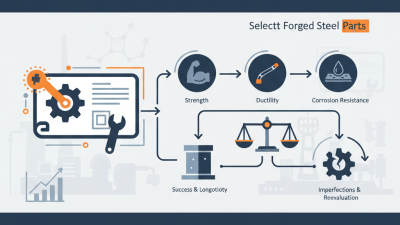
When selecting forged steel parts, several key factors come into play. The material's strength and durability are crucial. Forged steel is known for its superior mechanical properties. It can withstand extreme conditions, making it ideal for demanding applications. Pay attention to the heat treatment process. This impacts the final properties of the steel. Ensure that the supplier follows industry standards.
Tip: Always request certifications. These documents verify the quality and compliance of the forged parts. They provide assurance about the material's integrity.
Another consideration is the design specifications. Customization may be needed to meet unique application requirements. Collaborate closely with manufacturers to define these specifications. Communication is essential for achieving the desired outcome.
Tip: Don't overlook the importance of testing. Evaluate samples before large-scale production. Testing will help identify potential issues early on. This approach saves time and resources.
Top 10 Forged Steel Parts Demand Chart
Comparison of Different Types of Forged Steel Materials
When considering forged steel materials, understanding their various properties is essential. Forged steel is known for its strength and durability. This makes it an excellent choice for critical applications, including automotive and aerospace industries. According to a recent industry report, forged steel parts can exhibit tensile strengths exceeding 1,500 MPa, making them ideal for high-stress environments.
Different types of forged steel materials, such as carbon steel, alloy steel, and stainless steel, each offer unique advantages. Carbon steel is affordable and widely used for its strong structural integrity. Alloy steel provides additional strength and resistance to deformation. Meanwhile, stainless steel offers excellent corrosion resistance but can be more expensive. Each type has nuances that impact performance, and buyers must align material properties with project requirements.
However, the choice is not without challenges. Variability in material quality can arise from multiple suppliers. Inconsistent forging practices can lead to unpredicted material behavior. Conducting thorough inspections and rigorous testing is crucial. Buyers should also be aware of the importance of proper heat treatment to enhance the mechanical properties of forged steel, which can sometimes be overlooked in procurement processes.
Future Trends in Forged Steel Parts for Global Market Expansion
The forged steel parts market is evolving rapidly. Recent reports indicate a projected CAGR of over 5% from 2021 to 2028. This growth is driven by increasing demands in automotive and aerospace sectors. Companies are seeking lightweight yet durable components. High-performance forged parts, especially those made with alloy steels, are ideal for these industries.
Sustainability trends are also influencing the market. Manufacturers are focusing on energy-efficient processes, reducing waste during production. Advanced technologies, such as artificial intelligence, are enhancing quality control. With a focus on reducing carbon footprints, the industry is under pressure to adapt. Many firms are investing in renewable energy sources. Yet, challenges remain in balancing costs with environmental responsibility.
Globalization is shaping market dynamics. Suppliers must navigate different regulatory landscapes. Trade agreements can impact the accessibility of forged steel parts. Emerging markets in Asia and Africa are showing potential for significant growth. However, manufacturing capabilities in these regions often need improvement. This sometimes leads to inconsistent quality. As competition increases, businesses must prioritize reliability and innovation to thrive.
Top 10 Forged Steel Parts for Global Buyers to Consider
| Part Type |
Material Grade |
Applications |
Market Demand (2023) |
Future Trends |
| Forged Steel Ring |
SAE 4140 |
Machinery, Aerospace |
High |
Increased use in aerospace |
| Forged Steel Shaft |
ASTM A182 F22 |
Energy, Automotive |
Medium |
Focus on weight reduction |
| Forged Steel Valve |
ASTM A105 |
Oil & Gas, Waterworks |
High |
Smart valve technology |
| Forged Steel Fittings |
ASTM A350 LF2 |
Piping Systems |
Medium |
Increased reliability |
| Forged Steel Gear |
SAE 8620 |
Automotive, Machinery |
High |
Adoption of additive manufacturing |
| Forged Steel Block |
A36 |
Construction, Mining |
Medium |
Sustainability focus |
| Forged Steel Anvil |
AISI 1045 |
Metalworking |
Low |
Custom designs |
| Forged Steel Coupling |
ASTM A216 WCB |
Pipelines |
High |
Higher certifications |
| Forged Steel Plate |
SAE 4145 |
Heavy Equipment |
Medium |
Use in hybrid equipment |
| Forged Steel Bracket |
A36 |
Construction |
Low |
Increased design flexibility |