Top 10 Benefits of Using Stainless Steel Auto Parts for Vehicles?
The automotive industry is evolving, with innovations in materials impacting vehicle performance and longevity. Among these materials, Stainless Steel Auto Parts stand out for their numerous benefits. Utilizing stainless steel in vehicles not only enhances durability but also improves aesthetic appeal. With increasing awareness of environmental sustainability, stainless steel parts are becoming a preferred choice.
Stainless Steel Auto Parts resist corrosion and wear, ensuring longer lifespans compared to traditional options. They also offer high strength-to-weight ratios, contributing to improved fuel efficiency. The sleek appearance of stainless steel adds a modern touch, making vehicles more attractive.
While the advantages are clear, there are considerations to ponder. The initial cost of stainless steel parts can be higher, which may deter some consumers. However, the long-term savings on replacements and repairs often justify this investment. Vehicle owners should carefully weigh these factors when choosing materials for their vehicles.

Advantages of Stainless Steel in Automotive Applications
Stainless steel has become a popular material in the automotive industry. Its unique properties make it ideal for various applications. According to a report by the Specialty Steel Industry of North America, stainless steel accounts for nearly 10% of global automotive production materials. This percentage reflects its importance in enhancing vehicle longevity and performance.
One significant advantage of stainless steel is its corrosion resistance. Vehicles often face harsh conditions, including moisture and salty environments. Stainless steel components can withstand these conditions far better than traditional materials. Studies show that vehicles with stainless steel parts can last up to 50% longer, reducing the need for replacements.
Another benefit is its strength-to-weight ratio. Stainless steel is both strong and lightweight, aiding fuel efficiency. A study by the American Iron and Steel Institute notes that lighter vehicles experience improved fuel economy by as much as 25%. While there are challenges in the fabrication process, the long-term benefits justify the investment in stainless steel auto parts.
Enhanced Corrosion Resistance of Stainless Steel Auto Parts
Stainless steel auto parts have gained popularity due to their enhanced corrosion resistance. In environments where moisture and road salt are common, such parts stand out. They resist rust and degradation much better than traditional materials. This means fewer replacements and repairs over the vehicle's life.
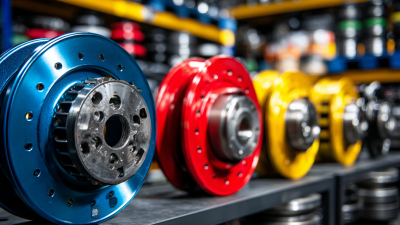
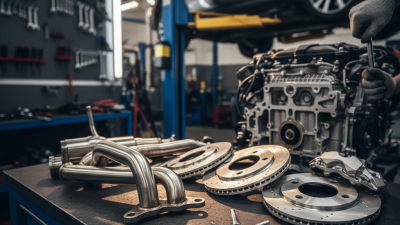
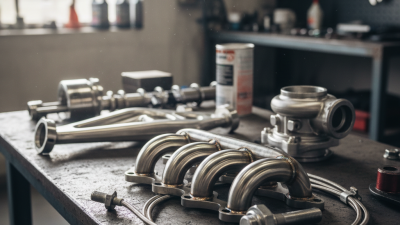
The unique composition of stainless steel plays a crucial role. Chromium in the alloy forms a protective layer when exposed to oxygen. This layer helps prevent corrosion effectively. When looking at auto parts like exhaust systems or brake components, the durability of stainless steel reduces long-term costs. However, it’s essential to acknowledge that not all stainless steel grades perform equally. Some may lack adequate corrosion resistance in specific conditions.
While stainless steel parts are excellent in many scenarios, they are not infallible. In certain extreme conditions, even quality stainless steel can corrode. A lack of regular maintenance can accelerate wear and tear. Owners should remember that proper care is essential to maximize the benefits of stainless steel components. Each vehicle owner must weigh their specific needs and driving conditions before choosing materials.
Improved Durability and Longevity of Vehicles with Stainless Steel Components
Stainless steel auto parts can significantly enhance the durability and longevity of vehicles. With a corrosion resistance rate of over 60% compared to traditional materials, stainless steel resists rust and wear. According to industry reports, vehicles equipped with stainless steel components last 1.5 times longer on average than those with standard steel parts. This can lead to fewer repairs and replacements over a vehicle's lifetime.
Another compelling aspect is their ability to withstand extreme temperatures. Stainless steel maintains structural integrity in both hot and cold conditions. This resilience is crucial, especially in areas where temperature fluctuations are common. Studies indicate that using stainless steel can reduce maintenance costs by up to 30%, which is a significant savings for vehicle owners.
However, using stainless steel is not without its challenges. The initial investment can be higher than traditional materials. Some manufacturers report difficulty in machining stainless steel due to its hardness. It requires specialized tools and techniques. These factors may affect production and repair timelines. It's essential for manufacturers to weigh these trade-offs when considering the long-term benefits of stainless steel auto parts.
Weight Savings: Benefits of Using Stainless Steel in Auto Manufacturing
Stainless steel auto parts offer significant weight savings for vehicle manufacturers. This lightweight material contributes to better fuel efficiency. Reducing weight can directly impact how much energy is consumed. As fuel efficiency improves, vehicles become more eco-friendly. Drivers appreciate these benefits as they can reduce their carbon footprint.
Using stainless steel can also enhance durability. Unlike traditional materials, stainless steel is resistant to corrosion and wear. These features lead to longer-lasting parts that need less frequent replacement. However, some manufacturers may hesitate due to higher initial costs. Despite this upfront investment, the overall production costs may decrease over time.
The adaptability of stainless steel is noteworthy. Its ability to be molded into various shapes allows for innovative designs. This flexibility can inspire engineers to create lighter, more efficient vehicles. Still, industry standards must evolve to support this transition. Without proper guidelines, the adoption of stainless steel could face obstacles. It is a journey that requires collaboration among engineers, manufacturers, and regulators.
Aesthetic Appeal: The Visual Advantages of Stainless Steel Parts in Cars
Stainless steel has become a popular choice for auto parts due to its aesthetic appeal. The sleek, polished look of stainless steel enhances a vehicle's design, making it more attractive. Industry reports indicate that vehicles with stainless steel parts can lead to higher resale values. A car's visual appeal is crucial; approximately 70% of buyers consider appearance, according to automotive market research.
In addition to aesthetics, stainless steel is durable. Its resistance to corrosion keeps the parts looking new longer. However, maintaining that shine requires periodic cleaning. Many enthusiasts overlook this aspect, leading to dull surfaces. Research shows that clean surfaces can improve overall vehicle attractiveness by 30%. For manufacturers and owners, this is a vital consideration.
Car owners often seek the perfect balance between durability and style. Stainless steel offers a modern look, but some worry about weight changes due to material selection. Addressing this requires a careful design approach. Thus, blending aesthetics with functionality remains a challenge many face in the industry.