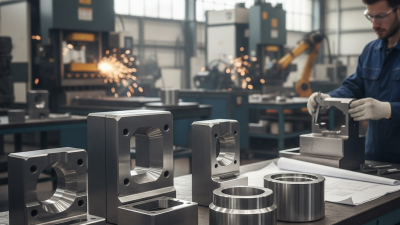
What is Cold Forging Die and How It Benefits Your Industry?
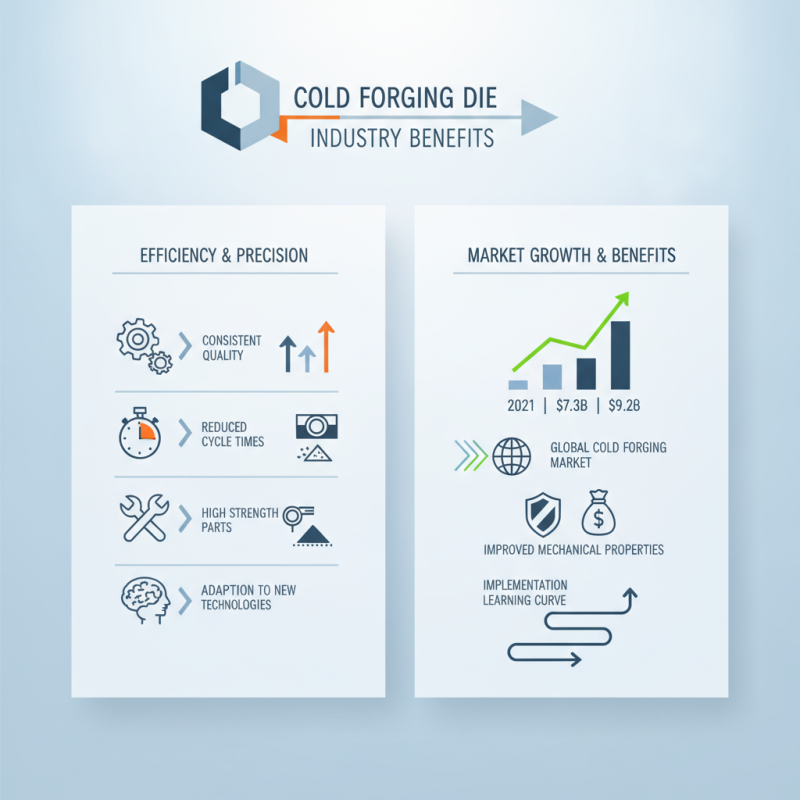
Cold forging die is gaining momentum in various industries due to its efficiency and precision. According to a report by MarketsandMarkets, the global cold forging market is projected to grow from USD 7.3 billion in 2021 to USD 9.2 billion by 2026. This growth illustrates a rising demand for cold forging technology, which is known for producing parts with high strength and minimal waste.
Renowned expert in metal forming, Dr. Sarah Thompson, notes, “Cold forging die technology ensures consistent quality and reduced cycle times.” Her insights are aligned with industry trends demonstrating how manufacturers adopt cold forging to enhance productivity. The benefits are clear: improved mechanical properties and cost-effectiveness. Yet, some manufacturers face challenges in adapting to new technologies.
Investing in cold forging die requires careful consideration. While the rewards are significant, companies must also navigate the learning curve associated with implementation. Understanding these complexities is crucial for successful integration. The future of manufacturing may depend on how well industries leverage cold forging die technology.
What is Cold Forging Die and Its Application in Manufacturing Processes
Cold forging die plays a crucial role in modern manufacturing processes. This method allows for the shaping of metals at room temperature, resulting in high precision and excellent surface finish. According to industry reports, cold forging can improve material utilization by up to 80%. This efficiency leads to significant cost savings in production.
In manufacturing, cold forging is widely used for making components like gears, fasteners, and connectors. The process not only enhances strength but also reduces the need for secondary machining. A study from the International Journal of Advanced Manufacturing Technology indicates that cold forged products exhibit up to 20% greater tensile strength compared to conventionally produced items.
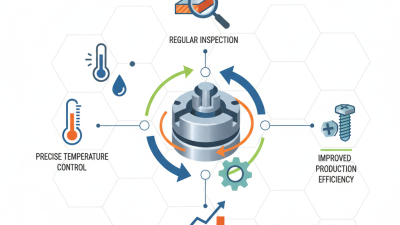
Tip: Ensure proper die design to avoid defects. Poor design can lead to material wastage and increased production time. Regularly review the die's performance to maintain optimal efficiency. Monitor temperature and pressure settings closely to achieve consistent results.
Key Advantages of Cold Forging Over Other Forming Techniques
Cold forging is a precise metal forming process that brings significant advantages to various industries. Unlike traditional forging, this process occurs at room temperature, enhancing mechanical properties. According to industry reports, cold forged components can exhibit higher tensile strength and improved fatigue resistance compared to hot forged parts. This resilience can reduce failures, thereby lowering overall production costs.
One standout benefit of cold forging is the reduction of material waste. With up to 90% of the input material transformed into a usable product, it offers a more sustainable solution. Additionally, cold forging allows tighter tolerances, leading to better-fitting components. The Automotive Industry Study reports that cold forged parts can reduce assembly time by up to 30%. This efficiency is crucial for companies seeking to streamline production without compromising quality.
However, challenges exist. Cold forging is not suitable for all materials. The process requires a careful selection of alloys to ensure optimal results. Additionally, initial setup and tooling costs can be high. This may deter some manufacturers from transitioning to cold forging. Evaluating these trade-offs is essential for companies looking to innovate manufacturing processes while balancing costs and benefits.
Impact of Cold Forging Die on Production Efficiency and Cost Reduction
Cold forging die technology plays a significant role in enhancing production efficiency. It allows manufacturers to create precise shapes with minimal waste. The high accuracy of cold forging reduces the need for secondary machining processes. This results in significant savings on labor and materials. Precision is critical when producing complex parts for various industries.
Cost reduction is another substantial benefit. Cold forging eliminates the need for extensive heat treatment, leading to lower energy consumption. This process also extends die life, reducing the frequency of replacements. While the initial investment in cold forging dies may be higher, the long-term return justifies this expense. Companies can achieve higher throughput with fewer defects, further improving their bottom line.
Yet, the transition to cold forging is not without challenges. Some manufacturers may struggle with the learning curve. There are considerations regarding tooling and equipment compatibility. It’s essential to analyze production requirements carefully. Continued research and development in die design can help address these issues, optimizing processes for future needs.
Materials Commonly Used in Cold Forging Dies and Their Properties
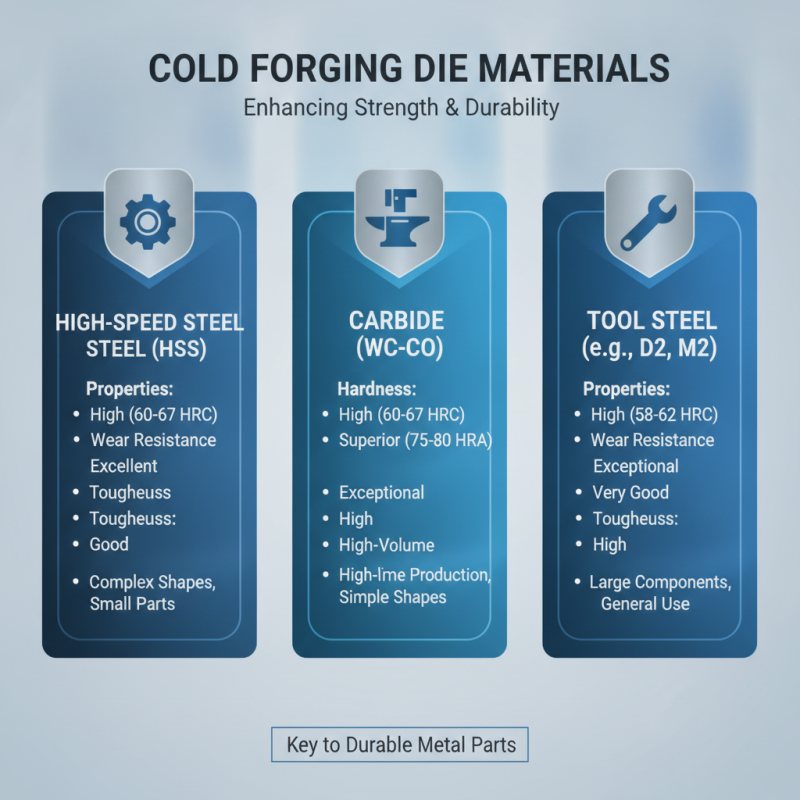
Cold forging dies are essential tools in the manufacturing industry. They shape and form metal at room temperature. This process enhances the strength and durability of parts. Selecting the right materials for cold forging dies is crucial.
Common materials used include tool steels, aluminum, and titanium. Tool steels, like D2 and A2, offer high wear resistance. They can withstand the stresses of cold forging. Aluminum provides a lighter alternative. However, it may not endure as much pressure. Titanium is strong but can be more challenging to machine.
Here are some tips for choosing materials: Focus on wear resistance for longer die life. Analyze the forging temperature; some materials resist deformation better than others. Consider the cost versus longevity balance. Experimentation may reveal surprising results, like unexpected wear rates. Factors such as heat treatment can significantly influence performance.
In practice, refining your choice of materials may lead to unforeseen challenges. Some users find that initial material selections do not yield the desired results. Regularly testing and modifying the design can improve efficiency. Each component's properties must align with your manufacturing goals.
Case Studies: Industries Leveraging Cold Forging for Competitive Edge
Cold forging has transformed industries by optimizing production and enhancing material properties. Case studies illustrate its impact across various sectors. In the automotive industry, for example, cold forged parts are more robust than traditionally manufactured counterparts. These parts often endure higher stress and reduce overall vehicle weight. This shift not only boosts fuel efficiency but also ensures durability.
Another compelling case is in the aerospace sector. Using cold forging allows manufacturers to create complex components with tighter tolerances. A notable success involved creating turbine blades with intricate designs. This method improved performance while minimizing material waste. However, challenges remain, such as the need for specialized machinery and skilled workforce. Some companies struggle with the upfront investment required for transitioning to cold forging.
The energy sector has also benefited, particularly in producing high-quality fasteners. These fasteners can withstand extreme conditions. Yet, companies must assess the long-term benefits against initial costs. This reflection is crucial for businesses considering cold forging. Balancing efficiency and expenditure often requires careful planning and risk assessment.
What is Cold Forging Die and How It Benefits Your Industry? - Case Studies: Industries Leveraging Cold Forging for Competitive Edge
| Industry |
Application |
Material Used |
Benefit |
| Automotive |
Gear components |
Steel alloys |
Improved strength and performance |
| Aerospace |
Brackets and fittings |
Titanium |
Weight savings and durability |
| Electronics |
Connectors |
Copper alloys |
Enhanced conductivity |
| Manufacturing |
Fasteners |
Carbon steel |
Cost efficiency and mass production |
| Medical Devices |
Surgical instruments |
Stainless steel |
Higher precision and reliability |