Why Choose Cold Heading Die for Your Manufacturing Needs?
In the realm of manufacturing, precision is paramount. Choosing the right tools can significantly impact production efficiency and product quality. Among these tools, the Cold Heading Die stands out for its unique advantages. This die allows manufacturers to create complex shapes with remarkable accuracy. The process minimizes waste and optimizes material usage. With modern demands for high-performance components, the Cold Heading Die offers a reliable solution.
Understanding the technology behind this die requires expertise and knowledge of manufacturing processes. Cold heading involves shaping metal at room temperature, resulting in enhanced strength and durability. These benefits make it an attractive option for various industries. Companies often look toward precision and lower operational costs. However, selecting the right Cold Heading Die is not without its challenges. Manufacturers must consider die design and material compatibility.
With the industry's fast-paced advancements, staying informed is essential. Researching and understanding the benefits of Cold Heading Dies can guide better decision-making. Investing time in this exploration reveals the die's long-term potential for efficiency. A thoughtful approach can ultimately lead to superior manufacturing outcomes.
Understanding Cold Heading Die: Definition and Functionality
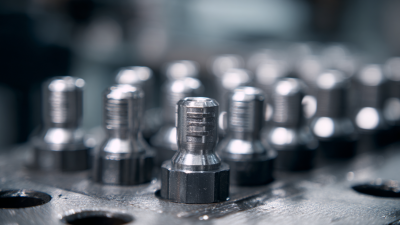
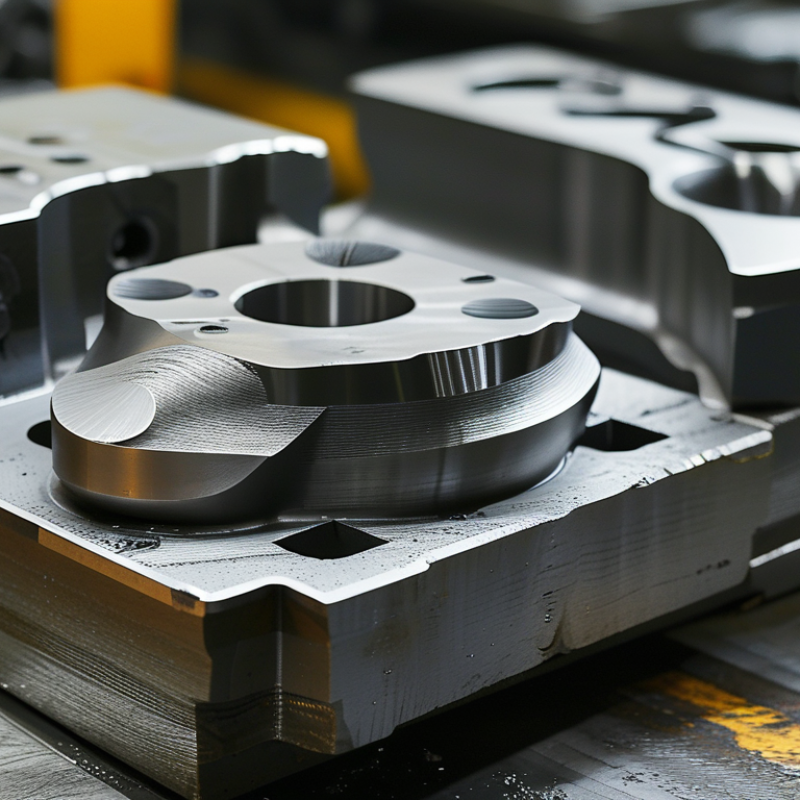
Cold heading dies play a crucial role in manufacturing, particularly for the mass production of fasteners and other shapes. These dies are used in the cold heading process, where metal is deformed under high pressure without the application of heat. This method enhances the mechanical properties of the material, resulting in stronger components. The process is efficient, leading to a reduction in waste and lower production costs.
Understanding the functionality of cold heading dies involves recognizing their precision and durability. These dies are designed to create complex geometries swiftly, enabling manufacturers to meet tight tolerances. The cold heading process can produce high volumes of parts in a short period. However, the design and maintenance of these dies require expert knowledge to avoid common pitfalls. Problems like wear and tear can rapidly affect production quality.
Moreover, a reliable cold heading die can significantly impact overall productivity. If a die fails, it can halt production and incur additional costs. Finding the right balance between cost and durability remains a challenge. Regular maintenance and skilled operators are necessary to ensure optimal performance, demanding a deeper understanding of the die’s capabilities and limitations. Investing in quality cold heading dies is essential for achieving consistent and efficient manufacturing results.
Advantages of Using Cold Heading Die in Manufacturing Processes
Cold heading die, a crucial tool in manufacturing, offers various advantages. One significant benefit is efficiency. This process forms materials without cutting, which reduces waste. Manufacturers can produce complex shapes quickly. This efficiency can lead to lower production costs over time.
Another key advantage is the consistent quality of products. Cold heading creates parts with a uniform structure. This leads to stronger components. The precision in shaping metals is unparalleled. However, achieving this requires skilled operators and precise machinery.
The versatility of cold heading is also noteworthy. It can work with different metals and alloys. Manufacturers appreciate this flexibility. Yet, improper use may result in defects or downtime. Continuous training and quality control are essential for optimal results. This ensures that manufacturers reap the full benefits of cold heading die.
Advantages of Using Cold Heading Die in Manufacturing Processes
Comparison of Cold Heading Die with Other Metal Forming Methods
Cold heading dies are increasingly chosen in manufacturing for various reasons. This process has advantages over traditional forming methods like forging and casting. Cold heading involves shaping metal at room temperature, enhancing material properties and reducing processing time.
Compared to forging, cold heading minimizes weight loss and waste. Studies indicate that cold heading can achieve up to 90% material utilization. The dimensional accuracy is superior, with tolerances often reaching ±0.01 mm. Cold heading processes can significantly improve production rates, sometimes exceeding 1,000 pieces per hour, depending on the complexity.
Casting, while useful, presents challenges such as potential defects and longer cooling times. The yield for cast parts can be as low as 70%. In contrast, cold heading works with pre-formed metal, reducing defects and improving surface finish. The cold heading die method remains a reliable choice, but companies must consider specific requirements, costs, and material characteristics for optimal results.
Why Choose Cold Heading Die for Your Manufacturing Needs? - Comparison of Cold Heading Die with Other Metal Forming Methods
| Method |
Material Types |
Production Speed |
Tooling Costs |
Material Waste |
Final Product Quality |
| Cold Heading Die |
Steel, Aluminum, Brass |
High |
Moderate |
Minimal |
Excellent |
| Hot Forging |
Steel, Titanium |
Moderate |
High |
Moderate |
Good |
| Die Casting |
Aluminum, Zinc |
High |
High |
Considerable |
Very Good |
| Stamping |
Steel, Copper |
Very High |
Moderate |
High |
Good |
Applications of Cold Heading Die Across Various Industries
Cold heading die technology has a wide range of applications across various industries, showcasing its versatility and importance in manufacturing. In automotive manufacturing, cold heading dies create essential components like bolts and fasteners. These parts must withstand high stress and extreme conditions. Cold heading ensures precision and strength, which is critical for vehicle safety.
In the aerospace sector, cold heading dies produce lightweight yet robust materials. Aircraft require components that can endure harsh environments, such as temperature variations and pressure changes. The cold heading process allows for the creation of intricate designs, ensuring that reliability is a priority. Engineers must balance weight and durability when selecting materials, emphasizing the need for advanced cold heading techniques.
Medical device manufacturing also relies heavily on cold heading dies. Components like surgical instruments and implants must meet stringent regulatory standards. The precision of cold heading minimizes the risk of defects, crucial in high-stakes medical applications. However, these processes can have drawbacks. Not every design fits easily into cold heading, and adjusting to specific needs can be challenging.
Factors to Consider When Selecting a Cold Heading Die for Production
When selecting a cold heading die for production, various factors come into play. Firstly, it is crucial to assess material compatibility. Different metals require specific die characteristics. For example, high-strength alloys demand dies designed for extreme durability. Research indicates that nearly 45% of production failures are due to mismatched materials and dies.
Part geometry is another vital consideration. The complexity of the desired part can significantly impact die design. A well-designed die can enhance efficiency and reduce waste. According to industry data, companies utilizing precisely engineered dies improve production yield by up to 30%.
Tip: Always consult with experienced engineers when designing your die. Their expertise can prevent costly mistakes.
Maintenance is often overlooked in die selection. Regular maintenance prolongs die life and ensures consistent part quality. Neglecting this aspect can lead to defects. Studies suggest that businesses practicing routine inspections see a 20% increase in overall productivity.
Tip: Implement a maintenance schedule to keep your dies in top shape. Having a plan in place can lead to long-term savings.