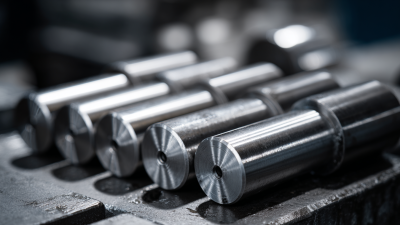
Cold Heading Die Tips for Efficient Manufacturing Process?
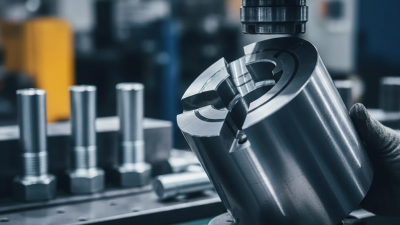
Cold Heading Die manufacturing is a critical process in producing fasteners and other components. This industry requires precision and efficiency. Expert John Smith, a leading figure in the field, emphasizes, "Using the right Cold Heading Die can significantly enhance production rates." His insight reflects the essential role these dies play.
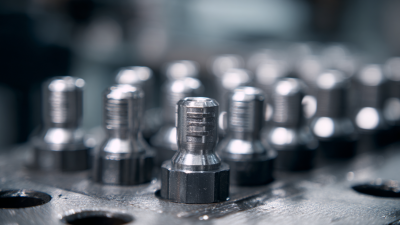
Manufacturers often underestimate the importance of die quality. A well-designed Cold Heading Die can reduce waste and increase output. However, not all dies are created equal. Each die must be tailored to specific materials and shapes. This customization often presents challenges, requiring continuous adjustments and evaluations.
Investing in advanced technology can bolster die performance. However, many companies still rely on outdated equipment. They face higher costs and lower production rates. Reflections on past practices show the need for ongoing education and innovation. The path to efficiency in Cold Heading Die manufacturing is paved with both successes and lessons learned.
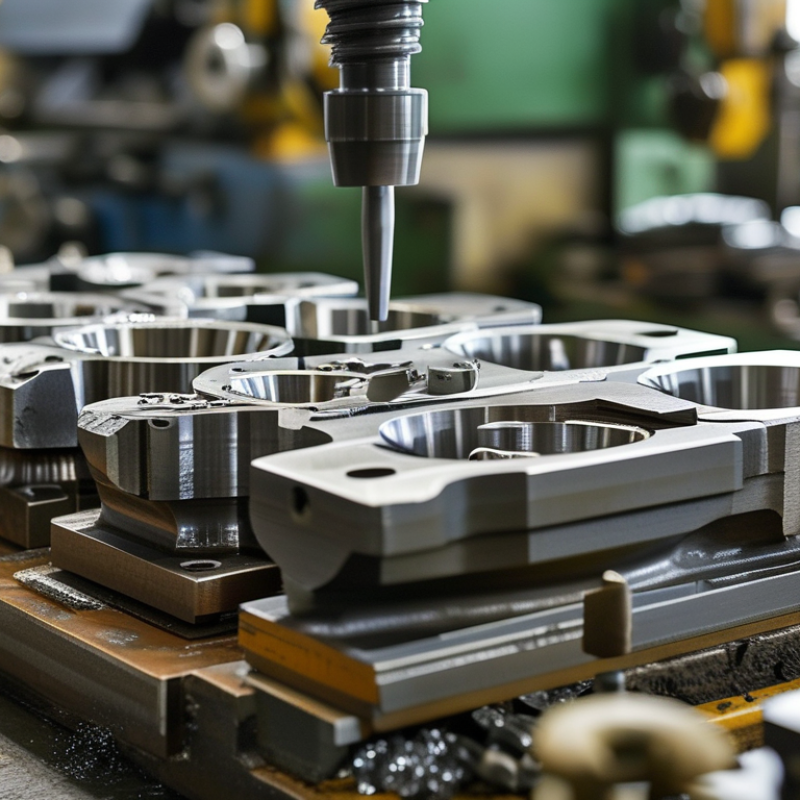
Tips for Selecting the Right Cold Heading Die Materials
Choosing the right cold heading die materials is crucial for enhancing efficiency in manufacturing. Various factors affect the selection of these materials, including durability, cost, and machinability. A poor choice can lead to frequent die failures and increased production costs.
When selecting materials, consider high-speed steel or carbide for their hardness and wear resistance. High-speed steel offers good toughness and can withstand thermal stress. Carbide, while more expensive, provides exceptional durability and longevity. These characteristics can significantly improve the life span of the cold heading die.
Another tip is to analyze the specific application needs. Understand the type of metal being shaped. Different materials require different die characteristics. A mismatch may lead to suboptimal performance and tool wear. It’s essential to reflect on these aspects during material selection. Each choice carries weight, affecting production efficiency and output quality.
Understanding the Cold Heading Process and Its Importance in Manufacturing
The cold heading process plays a crucial role in manufacturing, offering high efficiency and precision for producing fasteners and hardware.
According to industry reports, companies that utilize cold heading can increase production speeds by up to 50% compared to traditional machining methods.
This process reshapes metal at room temperature, minimizing waste and enhancing the structural integrity of the produced parts.
Implementing best practices can significantly improve the cold heading process. One tip is to maintain optimal die temperatures.
Overheating can lead to defects in the final product. Another important aspect is the choice of material. Using high-quality metals can reduce failures during production.
Moreover, regular maintenance of machinery is vital; a small oversight can cause downtime and increased costs.
While cold heading offers numerous benefits, manufacturers must pay attention to potential challenges.
Tool wear often goes unnoticed until significant damage occurs. Monitoring tools and performing preventative maintenance is crucial.
A proactive approach can prolong tool life and enhance production efficiency. Data indicates that manufacturers who focus on these details can boost their overall yield by 20%.
Striving for continuous improvement is imperative in maintaining a competitive edge in the market.
Best Practices for Die Maintenance to Enhance Durability and Performance
Proper maintenance of cold heading dies is crucial for maximizing the efficiency of manufacturing processes. Regular inspection can identify wear and tear, ensuring optimal performance. Dies should be cleaned frequently to remove contaminants that lead to corrosion. Routine lubrication helps minimize friction during operation. These simple steps prevent unnecessary downtime and extend the lifespan of the die.
Monitoring die temperature is often overlooked. Excessive heat can lead to premature failures. Implementing cooling systems can mitigate this issue. Another critical aspect is proper storage. Dies should be stored in a controlled environment to avoid oxidation. Many manufacturers underestimate the impact of humidity and temperature fluctuations on die integrity.
Training operators on best practices can yield significant benefits. Knowledgeable staff can spot issues before they escalate. Consider implementing a training program that focuses on the nuances of die maintenance. Regularly reviewing these practices could enhance performance. As processes evolve, continuous improvement is necessary. Reflecting on these experiences leads to better manufacturing outcomes.
Cold Heading Die Maintenance and Performance Metrics
This chart illustrates the maintenance hours required for cold heading die maintenance based on different frequency levels. Regular maintenance can enhance die durability and performance, ultimately improving the manufacturing process efficiency.
Optimization Techniques for Increase Efficiency in Cold Heading Operations
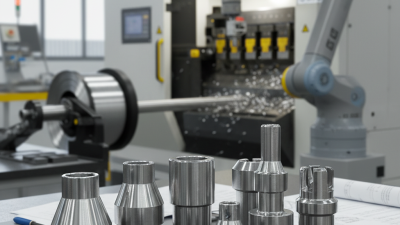
Cold heading is a key process in manufacturing metal components. Optimizing this process can significantly improve efficiency. One essential technique is tooling design. The right die configuration can reduce material waste and improve part precision. Each die must be regularly evaluated for wear and tear. A worn die can lead to defects and increased production costs.
Another vital factor is temperature control. Maintaining an optimal temperature during cold heading is crucial to minimize material deformation. Operators should monitor the process closely. Unexpected temperature variations can create inconsistencies in the final product. Regular training for staff can help them understand these parameters better.
Cycle time reduction is also critical. Analyzing each step can reveal bottlenecks. Are there unnecessary pauses in the process? Are machine settings optimized for speed? Addressing these questions can lead to more streamlined operations. Reflecting on current practices allows teams to identify areas for improvement. Experiment with new techniques and methodologies. This iterative process can foster continual growth and efficiency in cold heading operations.
Cold Heading Die Tips for Efficient Manufacturing Process
| Tip |
Description |
Benefit |
Implementation Difficulty (1-5) |
| Material Selection |
Choose high-quality materials suitable for cold heading. |
Reduces tool wear and improves part quality. |
3 |
| Die Design Optimization |
Optimize die design for better flow and reduced stress. |
Increases production efficiency and reduces defects. |
4 |
| Temperature Control |
Maintain optimal temperature during processing. |
Enhances material flow and tool life. |
3 |
| Regular Maintenance |
Conduct routine checks and maintenance on equipment. |
Prevents unexpected downtime and production delays. |
2 |
| Process Monitoring |
Implement monitoring systems for precision and consistency. |
Improves quality control and reduces waste. |
4 |
| Employee Training |
Provide continuous training for operators. |
Enhances skill levels and reduces errors. |
5 |
Common Challenges in Cold Heading and How to Overcome Them
Cold heading is a challenging process, often met with numerous obstacles. One common challenge is material flow issues. Inconsistent characteristics in raw materials can lead to defects in the final product. Ensuring that the materials are homogeneous is vital for reducing such problems. Regular testing of incoming materials can help maintain quality.
Another issue faced is tool wear. Cold heading dies endure significant stress, leading to rapid degradation. This can cause variations in product dimensions. To mitigate this, regular inspection of tools is essential. Utilizing advanced coatings can also extend die life, increasing productivity over time.
Here are a couple of tips for improving your cold heading process. Incorporate real-time monitoring systems to track the heading process. This helps identify deviations early. Training your workforce on best practices can also enhance the overall quality. Lastly, experimentation with different parameter settings could reveal better performance metrics, pushing your production efficiency further.