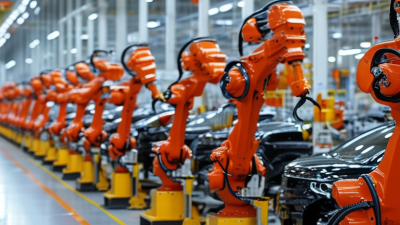
Hot forging remains a critical manufacturing route for components facing heat, shock, and repeated loads. Its value is visible in turbine discs, steering arms, connecting rods, and industrial shafts. These parts often leave the press with a dense, directional grain structure. That detail matters when failure is unacceptable.
Grand View Research estimates that the global forging market reached billions of dollars in recent years, supported by automotive, aerospace, energy, and heavy-equipment demand. The company also projects continued growth through the next decade. Fortune Business Insights reports similar expansion, although market boundaries differ between studies. That inconsistency deserves attention. Data is useful, but not perfect.
Dr. George E. Totten, a widely recognized authority in metal processing and heat treatment, has emphasized that “forging aligns grain flow with the part’s shape.” This principle helps explain why a properly designed Hot Forging Part can outperform a comparable machined component. Still, strength does not come from forging alone. Die design, billet temperature, deformation control, heat treatment, dimensional inspection, and material traceability all influence performance.
This guide evaluates ten Hot Forging Part manufacturers worldwide through practical criteria. We consider production capability, alloy experience, certification, equipment, inspection systems, delivery consistency, and application knowledge. A polished website proves little. Test records reveal more. Readers should also verify current certifications and sample quality before selecting a supplier, because manufacturing performance can vary between facilities, regions, and production batches.
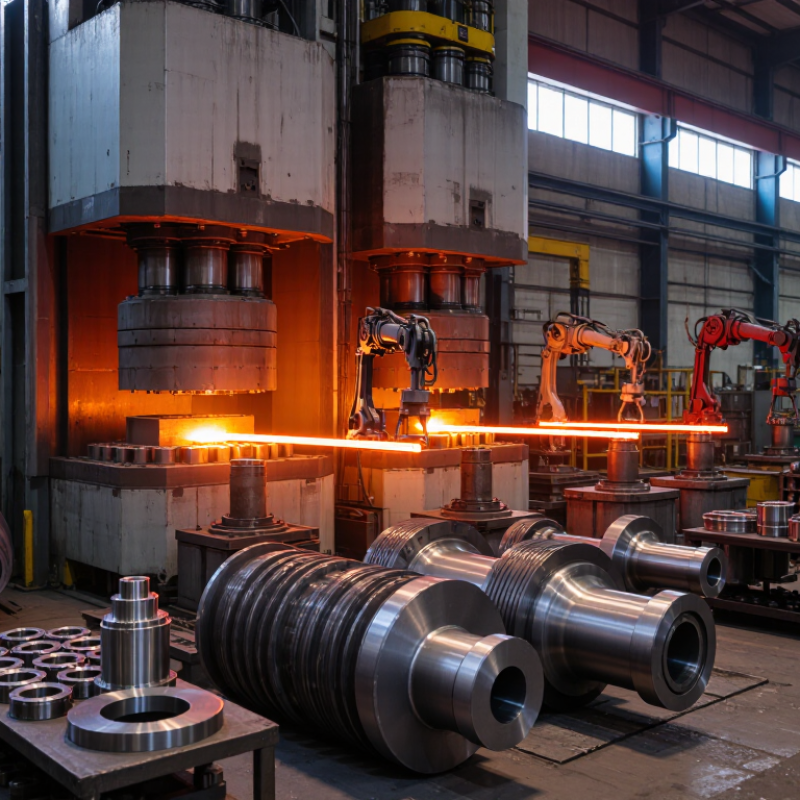
Hot forging parts are metal components shaped under compressive force at temperatures above the material’s recrystallization point. For carbon and alloy steels, production temperatures commonly range from 950°C to 1,250°C, according to ASM International’s forging guidance. The heat softens the billet and allows dies to form complex shapes with improved grain flow. Think of a connecting rod leaving a die with visible flash around its edges. That flash is later removed.
Their role is structural, not decorative. Forged parts carry repeated loads in vehicle, energy, construction, and industrial equipment systems. Grain alignment can improve fatigue resistance, impact performance, and dimensional stability compared with some cast alternatives. However, forging is not automatically superior. Poor die filling, uncontrolled cooling, or excessive oxidation can create costly defects. The boundary is not always neat.
Market demand reflects this engineering value. A 2024 metal forging market analysis estimated the global sector at more than USD 40 billion, with transportation and industrial equipment among major applications. The World Steel Association reported approximately 1.89 billion tonnes of crude steel production in 2023, showing the vast material base supporting forged-component supply chains. Yet production volume alone proves little. Reliable manufacturers must control billet chemistry, heating uniformity, press force, and ultrasonic or magnetic inspection.
A practical buyer should request material certificates, process records, and sample fatigue data. Tolerances may look impressive on paper. Real performance depends on the entire process.
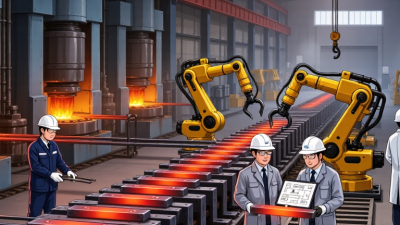
Evaluating a hot forging manufacturer requires more than comparing prices or production capacity. Start with process experience. Ask how the supplier controls billet temperature, die preheating, press force, and cooling time. These details directly affect grain flow, surface cracking, and dimensional stability.
Request material certificates, heat-treatment records, and full lot traceability. A reliable manufacturer should connect each finished part to its raw material, forging date, operator, and inspection results. Review testing equipment, including hardness testers, coordinate measuring machines, and ultrasonic inspection systems. Confirm that calibration records are current. Also examine the supplier’s quality system and its ability to meet relevant industry standards.
Visit the production floor when possible. Look for scale buildup, damaged dies, unclear work instructions, or poorly separated batches. Ask to inspect a first-off part and a part from continuous production. Differences may reveal process drift. Experienced engineers should explain die-life planning, tolerance control, and corrective actions without hiding problems.
No supplier is flawless. A polished presentation can still conceal weak follow-up. Evaluate how quickly the team reports a deviation, identifies its cause, and prevents repetition. Sample testing alone is not enough for critical components. Check whether process data is reviewed over time, rather than only after failure. Capacity claims also deserve verification through machine lists, staffing levels, and recent production records. A manufacturer earns trust through repeatable evidence, not confident promises.
A global overview of the 10 best hot forging part manufacturers begins with process discipline, not advertising. These producers serve automotive, industrial equipment, energy, rail, and demanding machinery markets. Their workshops commonly use controlled billet heating, closed-die forming, trimming, heat treatment, and precision machining. At the press, operators watch temperature, die wear, and material flow. Small changes matter. A billet heated too long may develop scale or lose the required structure.
The strongest manufacturers are distinguished by measurable evidence. They document alloy certificates, forging temperatures, hardness results, dimensional reports, and batch traceability. Many operate laboratories with spectrometers, tensile testers, coordinate measuring machines, and non-destructive inspection equipment. Their engineers also review grain direction, fatigue risk, flash control, and machining allowance before production begins. This practical review separates reliable capacity from impressive catalog language. Still, no supplier is perfect. Delivery records can vary when dies need repair or raw material availability changes.
Across the ten manufacturers, regional strengths differ. Some offer high-volume automated lines, while others excel at heavy forgings or complex, low-volume parts. Buyers should compare press capacity, maximum part weight, tool-making skills, quality certifications, and engineering communication. A factory visit can reveal details that brochures omit: floor organization, calibration labels, cooling practices, and finished-part protection. Sample approval should include section checks and real application testing, not only visual inspection. That step is often underestimated. Cost matters, but unstable tolerances can create greater expense during assembly and service.
10 Best Hot Forging Part Manufacturers Worldwide
The 10 Best Hot Forging Part Manufacturers Worldwide are not defined by press size alone. Their value appears in repeatable heat control, tooling accuracy, and documented inspection. Strong suppliers handle carbon steel, alloy steel, stainless grades, and selected aluminum applications. They use induction or gas heating, hydraulic or mechanical presses, trimming, heat treatment, and shot blasting. Some also provide machining and surface finishing. That reduces handoffs.
Manufacturing capabilities should match the part, not merely the buyer’s drawing. Automotive programs need stable cycle times for steering, suspension, and drivetrain components. Energy projects demand traceability, fatigue resistance, and dependable performance in demanding environments. Construction equipment makers often require large shafts, links, brackets, and wear-resistant parts. Rail, agricultural machinery, marine equipment, and industrial systems have different tolerance and volume needs. A reliable manufacturer reviews grain flow, draft angles, flash allowance, and material certification before production. It should share process capability data, sample reports, and nonconformance procedures.
Experience is visible on the shop floor. Look for calibrated furnaces, controlled dies, trained inspectors, and clear lot identification. Independent testing can verify hardness, microstructure, tensile strength, and dimensional stability. Supplier audits should examine capacity, maintenance records, worker training, and delivery history. No factory is perfect. A missed tolerance or delayed tool repair can expose weak planning. Better partners explain the failure, correct it, and prevent repetition. Buyers should still challenge optimistic claims and request production samples before approving volume orders.
| Rank | Manufacturer Profile | Primary Region | Hot Forging Processes | Typical Material Grades | Approximate Part Weight Range | Secondary Operations | Industries Served | Key Quality Capabilities |
|---|---|---|---|---|---|---|---|---|
| 1 | Profile A High-volume specialist |
Western Europe | Closed-die forging Precision impression-die forging |
Carbon steel Alloy steel Stainless steel |
0.05–45 kg | Trimming Heat treatment Shot blasting CNC machining |
Automotive Commercial vehicles Industrial equipment |
Dimensional inspection Magnetic-particle testing Process traceability |
| 2 | Profile B Heavy-duty capability |
North America | Open-die forging Blocker and finisher-die forging |
Carbon steel Low-alloy steel Nickel-based alloys |
5–250 kg | Normalizing Quenching and tempering Ultrasonic testing Rough machining |
Energy equipment Mining Oil and gas Power generation |
Ultrasonic inspection Mechanical testing Heat-treatment records |
| 3 | Profile C Automotive-focused |
East Asia | Hot upset forging Closed-die forging Warm-to-hot forming |
Microalloyed steel Carbon steel Alloy steel |
0.1–30 kg | Trimming Calibration Induction hardening Automated machining |
Passenger vehicles Electric vehicles Drivetrain systems Chassis systems |
In-process gauging Optical inspection Statistical process control |
| 4 | Profile D Aerospace-grade systems |
Central Europe | Closed-die forging Multi-stage precision forging Ring preforming |
Titanium alloys Nickel-based alloys Heat-resistant steels |
0.2–80 kg | Solution treatment Aging Precision machining Non-destructive testing |
Aerospace Defense Gas turbines High-temperature equipment |
Ultrasonic testing Dye-penetrant testing Metallography Full material certification |
| 5 | Profile E Large-component producer |
South Asia | Open-die forging Heavy press forging Ring rolling |
Carbon steel Alloy steel Stainless steel Duplex steel |
25–1,500 kg | Heat treatment Turning Drilling Large-part machining |
Power plants Renewable energy Shipbuilding Industrial machinery |
Ultrasonic testing Hardness testing Grain-flow evaluation Weld-free integrity verification |
| 6 | Profile F Stainless and corrosion-resistant parts |
Northern Europe | Closed-die forging Upset forging Precision bar-end forming |
Stainless steel Duplex stainless steel Nickel alloys |
0.1–65 kg | Solution annealing Pickling and passivation CNC turning Surface finishing |
Marine equipment Food processing Chemical processing Hydraulic systems |
Corrosion testing Positive material identification Surface inspection Dimensional reporting |
| 7 | Profile G Integrated supply partner |
Eastern Europe | Closed-die forging Hot extrusion Ring and hub forging |
Carbon steel Alloy steel Tool steel |
0.2–120 kg | Trimming Heat treatment Grinding Five-axis machining |
Rail transportation Material handling Construction machinery Agricultural equipment |
Coordinate measuring Hardness mapping Failure analysis Batch traceability |
| 8 | Profile H Complex geometry specialist |
Southeast Asia | Multi-impression die forging Closed-die forging Hot coining |
Carbon steel Alloy steel Aluminum alloys Titanium alloys |
0.03–25 kg | Flash trimming Heat treatment Deburring High-speed machining |
Automotive Motorcycles Industrial automation Consumer hardware |
Automated visual inspection Dimensional control plans Die-life monitoring Production traceability |
| 9 | Profile I Non-ferrous forging capability |
Oceania and Asia-Pacific | Hot forging Drop forging Closed-die aluminum forging |
Aluminum alloys Copper alloys Brass Titanium alloys |
0.02–35 kg | Solution heat treatment Aging Shot peening Precision machining |
Aircraft systems Automotive components Electrical equipment Recreational products |
Conductivity testing Ultrasonic inspection Alloy verification Dimensional inspection |
| 10 | Profile J Flexible low-to-medium volume |
Middle East and North Africa | Open-die forging Closed-die forging Upset forging |
Carbon steel Alloy steel Stainless steel Nickel alloys |
1–300 kg | Normalizing Quenching and tempering Turning Drilling and milling |
Oilfield equipment Water infrastructure Industrial valves Heavy machinery |
Visual and dimensional inspection Ultrasonic testing Hardness testing Material certificates |
| Capability ranges are representative industry benchmarks for hot-forged components. Actual limits depend on equipment tonnage, tooling design, material grade, part geometry, required tolerances, heat-treatment specifications, and applicable customer standards. | ||||||||
Choosing among hot forging part manufacturers worldwide requires more than comparing prices. Start with the part’s material, weight, geometry, tolerance, and annual volume. A capable manufacturer should explain its press capacity and heating range clearly. Vague answers create expensive risks.
Ask to see material certificates, heat-treatment records, and dimensional inspection reports. Traceability should follow each batch from billet cutting to final packing. Check whether dies are designed in-house or managed by experienced tooling partners. Request production samples, not only polished showroom pieces. A real sample should show grain flow, surface condition, flash removal, and measured critical dimensions. It should also match your drawing.
Factory visits can reveal useful details. Look at furnace temperature records, die storage, calibration labels, and the cleanliness of inspection areas. Ask how the team handles a rejected part. Strong manufacturers document the cause and corrective action. I once focused too heavily on equipment size and overlooked communication delays. That mistake affected sampling time. Do not repeat it.
Review engineering support before signing a contract. Can the team suggest a better fillet radius or reduce unnecessary machining? Can it provide realistic lead times during peak production? Certifications may support credibility, but they do not replace process evidence. A smaller supplier with disciplined records may outperform a larger one. However, that assumption needs verification through audits, trial orders, and consistent inspection data.
Typical hot forging temperature windows by material can help buyers evaluate whether a manufacturer has the right furnace, tooling, process-control, and quality capabilities for a specific part.
Values are representative industry ranges in °C. Actual forging temperatures vary according to alloy grade, part geometry, die design, strain rate, and required mechanical properties.