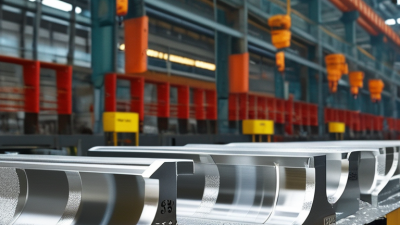
China’s stainless-steel auto-parts market serves a vast manufacturing base, but supplier choice should rest on evidence, not polished catalogues. The International Stainless Steel Forum reported 58.4 million tonnes of global stainless-steel production in 2023, up 4.6% from 2022. OICA recorded approximately 93.5 million vehicles produced worldwide that year. These figures show the scale of the materials and automotive sectors; they do not prove that any supplier meets a buyer’s requirements. Details matter.
For practical guidance, materials engineer and welding-metallurgy author Dr. John C. Lippold’s published work emphasizes matching alloy and joining methods to service conditions. A concise paraphrase of that principle is: “Choose the material and weld process for the part’s real operating environment.” This is a paraphrase, not a verbatim quotation. It points to questions worth asking Chinese suppliers: Can they document the steel grade and heat number? Do inspection records cover dimensions, weld quality, and corrosion performance? Can they show consistent results across repeat orders? A stamped bracket may look sound under factory lights, yet fail to fit after coating or assembly. That gap matters. This guide compares suppliers through traceable evidence, production capability, communication, and quality controls, rather than unsupported rankings. No short list can replace a sample review or a clear specification. Supplier claims deserve careful checking, including when the price looks unusually attractive.
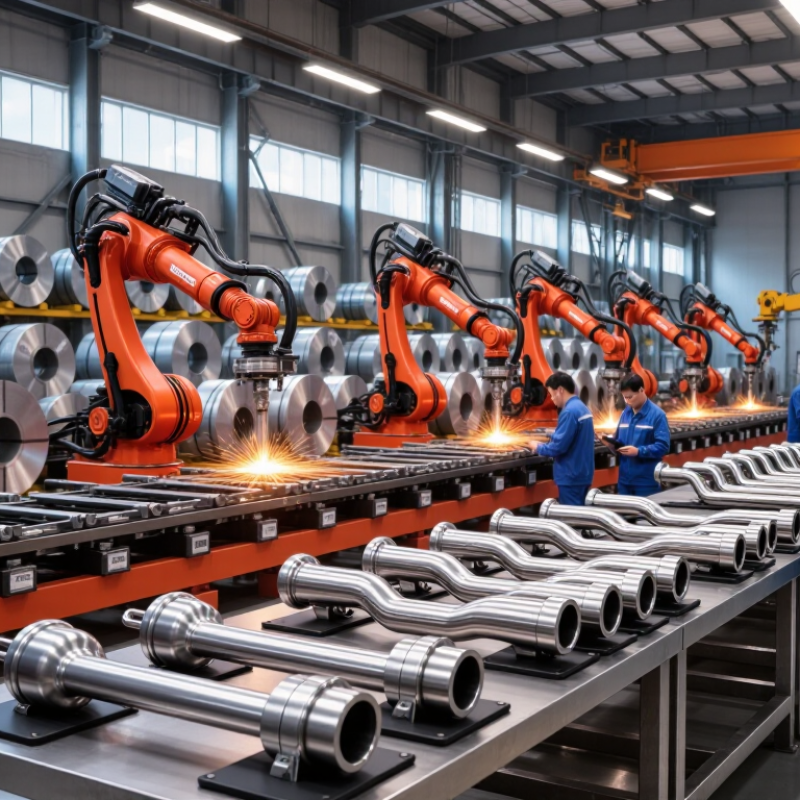
A leading stainless steel auto parts supplier is defined by more than a polished catalog. It should explain which alloy grade suits each component and why. Parts exposed to road salt, heat, vibration, or moisture need different material and finishing choices. Ask for material certificates, batch traceability, and clear inspection records. Small details matter.
Manufacturing control is equally important. A capable supplier can describe how it manages cutting, stamping, machining, welding, and surface finishing. It should provide measurable tolerances, not vague promises of “high precision.” Sample parts can reveal burrs, uneven welds, sharp edges, or inconsistent dimensions before larger orders begin. For safety-related components, verify applicable specifications and consider independent testing when risks warrant it. No single certificate proves every part is fit for use.
Reliability also shows in communication and problem handling. Ask how design changes are approved, defects are reported, and corrective actions are documented. A practical supplier shares realistic lead times and flags capacity limits early. Price matters, but unusually low quotes may omit testing, packaging, or process controls. Even experienced buyers can miss a finish mismatch on a drawing; review samples under realistic service conditions where possible. Some checks take time. That is worth it.
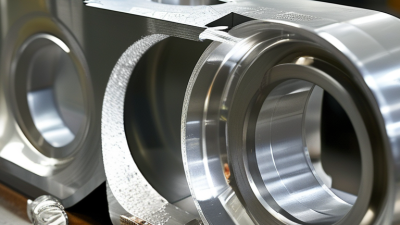
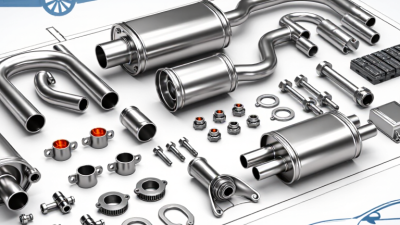
China’s stainless steel auto-parts suppliers commonly make exhaust tubing, clamps, heat shields, brackets, fasteners, and stamped trim. Their value depends on more than product range. Buyers should check whether a factory controls laser cutting, deep drawing, tube bending, welding, and finishing in-house. These processes affect fit, surface quality, and repeatability. Details matter.
World Stainless Association reported 58.4 million tonnes of global stainless crude steel production in 2023, with China producing about 36.7 million tonnes. This scale supports broad material availability, but it does not prove a supplier can meet automotive tolerances. Ask for mill certificates, grade traceability, dimensional inspection records, and corrosion-test results. For exhaust applications, confirm the specified ferritic or austenitic grade and its heat resistance. For formed parts, request samples with measured wall thickness and bend consistency. A sample can look right and still fail after repeated thermal cycling.
Production audits should cover tooling maintenance, weld control, and lot-to-lot checks, not just equipment lists. I would also ask how rejected parts are traced and corrected. That answer is sometimes vague. A supplier may have strong presses yet lack stable inspection routines; that gap deserves a closer look.
For stainless steel auto parts, a supplier’s certificate is only the starting point. World Stainless reported 58.4 million tonnes of global stainless crude steel production in 2023 in its Stainless Steel in Figures 2024 report. That scale makes material traceability essential. Ask for mill test certificates, heat numbers, and records linking each batch to finished components. Small gaps matter.
Evaluate the quality system and the actual process. Check whether the supplier maintains current IATF 16949 certification, documented inspection plans, and clear controls for cutting, stamping, welding, and passivation. Request dimensional reports for critical features, such as a bracket’s hole spacing, and review corrosion-test results for the specified grade and finish. Sample parts should match production tooling, not just a hand-finished prototype. Audit documents can look excellent; they do not always reveal inconsistent shop-floor practice.
Tips: Match certificate heat numbers to the parts you receive. Ask to see recent nonconformance records and corrective actions. Confirm inspection equipment calibration, and arrange an independent audit when risk is high. No single score tells the whole story. A supplier may meet the paperwork requirements yet still need closer process checks.
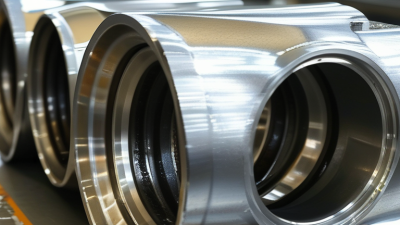
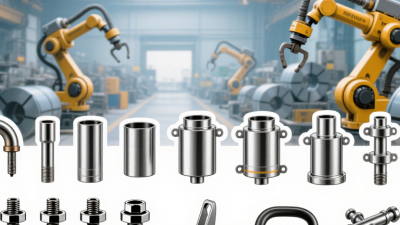
Chinese stainless steel auto parts suppliers often focus on different production methods. Some specialize in precision turning for shafts, sleeves, and threaded fittings. Others use stamping and laser cutting for brackets, clips, and protective covers. Flexible production can help with small trial runs. It does not guarantee consistent quality.
Foundries and forging shops may produce housings and load-bearing connectors, while tube fabricators make exhaust sections and fluid lines. Ask how suppliers control alloy grades, weld quality, and dimensions. Request material certificates and inspection records for the production batch, not just a sample. A polished part can still fit poorly. Small details matter.
Tips: Share drawings, tolerances, order volumes, and operating conditions. Test samples for fit, finish, and corrosion resistance. Ask how equipment is calibrated and how defects are handled. Stainless grades differ in strength and corrosion resistance. Describe exposure to heat, moisture, and road salt clearly; otherwise, a supplier may miss a key requirement. Verify important claims independently.
Choosing a Chinese stainless-steel auto-parts supplier takes more than comparing unit prices. The World Stainless Association reported 58.4 million tonnes of global stainless-steel production in 2023, with China producing about 36.7 million tonnes. This scale creates many options, but it does not guarantee consistent quality. Compare suppliers on material grades, production processes, traceability, inspection methods, and delivery performance. Ask for mill certificates linked to heat numbers, dimensional inspection records, and test results for the actual part. Shortlist factories able to explain how they control stamping, machining, welding, or finishing tolerances.
Check whether an IATF 16949 quality system applies to the specific production site and process, then verify its status independently. Request a sample made with production equipment, not only a polished prototype. Review defect records, corrective-action examples, capacity, and realistic lead times. A supplier’s answers should match the documents and the parts you inspect. I would still verify this during a pilot order; paperwork alone can feel reassuring, but it is not proof.
Tips: Send the same drawing and forecast to each candidate. Compare tooling costs, minimum order quantities, packaging, and response times alongside price. Ask how the supplier identifies each batch and handles out-of-spec parts. Keep the evaluation practical: measure a few critical dimensions yourself, and record any gaps before signing off.
How to compare suppliers and select the right partner: start by checking whether the material grade matches your part’s corrosion, strength, and forming requirements.
How to use this chart: The ranges show specified chromium content by mass for common stainless steel grades; they are not supplier ratings. When evaluating a supplier, verify the exact grade and applicable specification on material test certificates, and check lot traceability and automotive quality-system requirements.