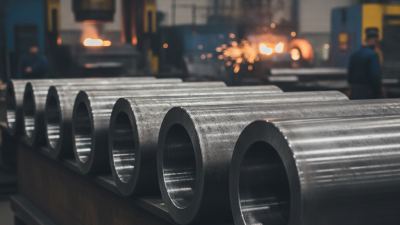
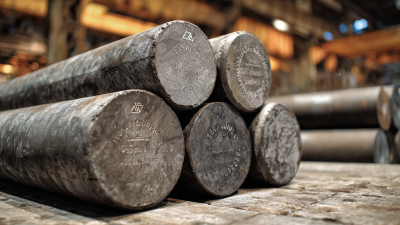
Why Choose Forged Cylinders for Your Industrial Needs?
In industrial applications, the choice of materials can profoundly impact performance and reliability. Forged cylinders are increasingly recognized for their strength and durability, making them a preferred option. According to a report by MarketsandMarkets, the global industrial forgings market is projected to reach $87.6 billion by 2025, underscoring the rising demand for forged components.
One of the standout benefits of forged cylinders is their superior mechanical properties. The forging process improves grain structure, enhancing toughness and fatigue resistance. A study by ASTM International reveals that forged components can exhibit up to 60% higher yield strength than equivalent cast parts. This advantage becomes critical in high-stress environments, such as aerospace and heavy machinery.
However, the manufacturing of forged cylinders is not without its challenges. Quality control is vital to ensure that these components meet stringent specifications. Variability in the forging process can result in inconsistencies. Industries must continually evaluate and refine their forging practices to ensure reliability. Forged cylinders represent a worthwhile investment, but a committed approach to quality is essential for optimal performance.
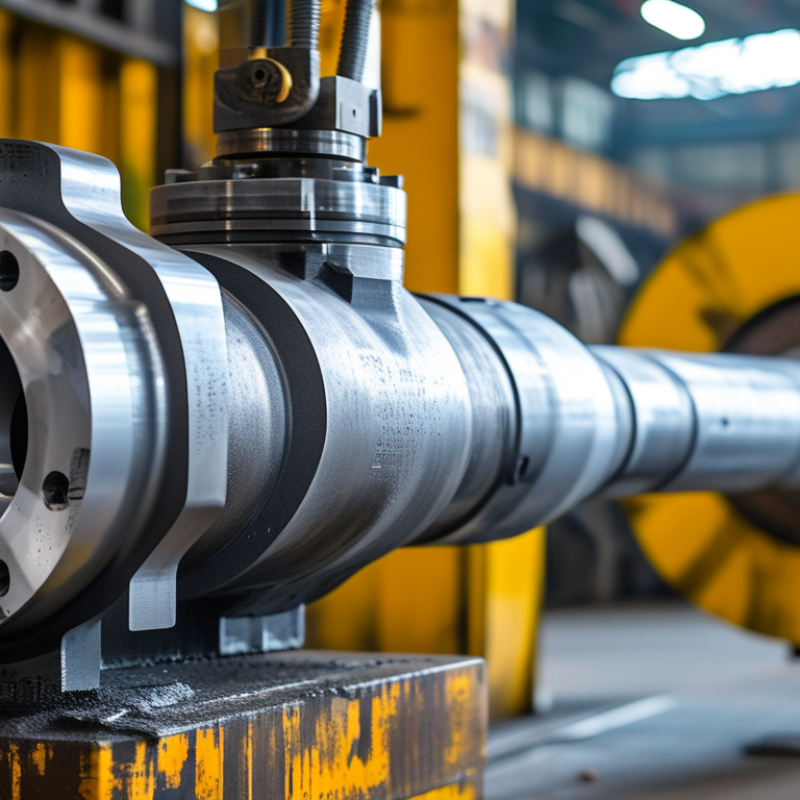
Benefits of Forged Cylinders in Industrial Applications
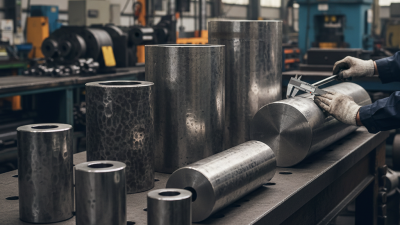
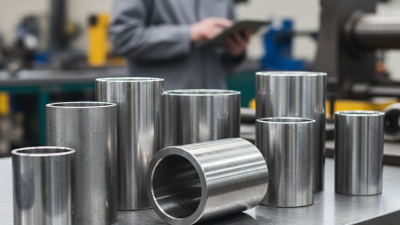
Forged cylinders have gained popularity in various industrial applications due to their numerous advantages. These components exhibit remarkable strength and durability, which are essential in demanding environments. The forging process aligns the metal's grain structure, enhancing its resilience. This method produces cylinders that can withstand heavy loads and high pressures, making them suitable for aerospace, automotive, and oil industries.
A key benefit of forged cylinders is their superior fatigue resistance. In industries where equipment is subjected to constant stress, the ability to endure repeated loading is crucial. Forged cylinders maintain integrity over extended periods, reducing the likelihood of failure. Their homogenous structure allows for better performance compared to cast alternatives. This factor contributes to longer service life and lower maintenance costs.
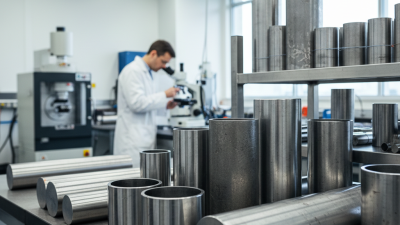
However, despite these advantages, it is important to consider the manufacturing process. Forging involves significant energy consumption and meticulous quality control. If not executed correctly, defects can arise, potentially compromising safety. Engineers and manufacturers must collaborate closely to ensure that each forged component meets rigorous standards. Regular inspections and testing are vital to uphold the reliability that forged cylinders promise.
Comparison of Forged Cylinders vs. Cast Cylinders in Strength and Durability
Forged cylinders offer significant advantages over cast cylinders, especially in terms of strength and durability. Forging processes align the metal fibers, enhancing the overall strength by up to 20% compared to casting methods. According to industry reports, forged materials tend to exhibit superior resistance to impact and fatigue, leading to longer service life in high-demand environments.
One major drawback of cast cylinders is their porosity, which can weaken the structure and affect performance. In contrast, forged cylinders boast a tight, uniform grain structure. This results in enhanced mechanical properties, such as higher tensile strength. Research indicates that forged cylinders can withstand pressures up to 30% greater than their cast counterparts.
**Tips:** When selecting cylinders, consider the application and expected load. Forged options usually yield better performance in critical situations. Always review the specifications to ensure compliance with industry standards. Additionally, remember that while cast cylinders typically have a lower initial cost, the long-term durability of forged variants often justifies the investment.
Material Properties: Why Forging Enhances Cylinder Performance
Forged cylinders have become a preferred choice in industrial applications due to their unique material properties. The forging process enhances the density of the material, resulting in superior mechanical strength. High pressure and temperature resistance also improve when utilizing forged components. Thus, they can perform reliably in demanding conditions.
The grain structure of forged materials is uniform. This feature provides better resistance to wear and fatigue. In applications where precision and durability are critical, such quality counts. For instance, aerospace and automotive industries benefit significantly from these cylinder characteristics. They face rigorous performance demands.
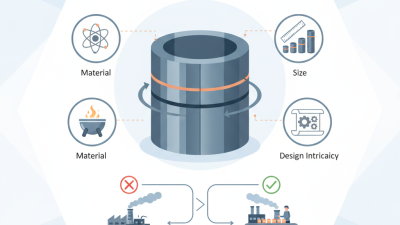
However, selecting forged cylinders requires careful consideration. Not all applications may need the enhanced properties forged materials provide. It's important to assess the specific needs of each project. Balancing cost and performance is crucial. Forged cylinders can be more expensive upfront, but their longevity may justify the investment.
Cost-Effectiveness of Forged Cylinders Over Time
When considering industrial components, forged cylinders stand out for their cost-effectiveness over time. These cylinders, crafted through a meticulous forging process, demonstrate remarkable strength and durability. According to a report by the American Society of Mechanical Engineers (ASME), forged components can offer a performance increase of up to 30% compared to cast alternatives.
One crucial factor in the cost-effectiveness of forged cylinders is their longevity. A study published in the International Journal of Mechanical Sciences highlights that forged materials have a fatigue strength up to 50% greater than those made by casting. This extended lifespan translates to fewer replacements and lower maintenance costs. It's worth noting that while the initial investment for forged cylinders may be higher, the long-term savings can offset this.
However, choosing a forged cylinder isn't without its challenges. The manufacturing process can be energy-intensive, sometimes leading to higher upfront costs. Additionally, not every application may benefit equally from forged components. Certain industries may find minimal cost differences. Evaluating specific requirements is essential. This nuanced understanding aids in making informed decisions that balance performance and budget constraints.
Industry Standards and Certifications for Forged Cylinders
When considering forged cylinders for industrial applications, understanding industry standards and certifications is crucial. Forged cylinders must meet various regulations to ensure safety and performance. Organizations like ASTM International and ISO provide guidelines that establish quality control in manufacturing forged materials.
According to a 2022 report by the Steel Forging Industry Association, over 70% of forged components pass stringent quality tests, proving their reliability. Certifications such as ISO 9001 indicate a manufacturer's commitment to quality management systems. This assurance builds trust in the supply chain. Furthermore, the American Society for Testing and Materials (ASTM) specifies rigorous testing methods that help assess durability and performance.
Tip: Always inquire about a manufacturer's certifications before purchasing. Check if they comply with relevant industry standards. This can significantly influence the long-term performance of your forged cylinders.
Choosing forged cylinders also involves recognizing limitations. Some manufacturers might prioritize cost over quality, leading to compromised strength. Research on suppliers is essential to avoid poor choices. Ask for test results and customer references to gauge past performance and reliability.