Top 10 Cold Heading Die Tips for Global Buyers
When searching for the best Cold Heading Die, global buyers face unique challenges. Understanding these challenges can significantly impact your purchasing decisions. The right Cold Heading Die can enhance production efficiency and reduce costs. However, not all dies are created equal.
Many buyers overlook crucial factors, such as material quality and precision crafting. This may lead to subpar performance. It's essential to invest time in research and consultations with suppliers. The experience and expertise of manufacturers should be a primary consideration.
Buyers must also reflect on their specific needs. Each production line may require different specifications. There is no one-size-fits-all solution in the world of Cold Heading Dies. Taking the time to understand these nuances will lead to better, more informed choices. Aim for quality and reliability to ensure your success in this competitive industry.
Understanding Cold Heading Dies: An Overview
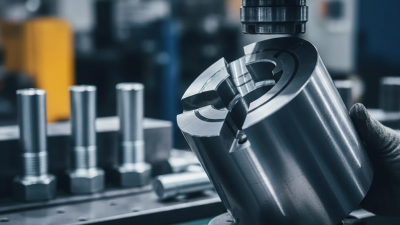
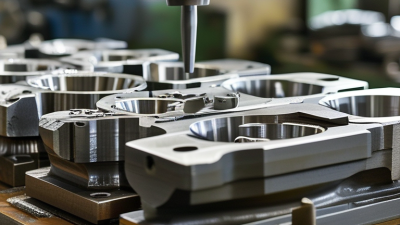
Cold heading dies play a pivotal role in the manufacturing process for various industries. These tools form metal components through a high-speed deformation process. This technique is essential for producing parts with high precision and repeatability. According to industry reports, the global cold heading dies market was valued at approximately $500 million in 2022. This figure is projected to grow significantly, highlighting the increasing demand for efficient production processes.
To understand cold heading dies, one must recognize their design intricacies. The dies need to withstand extreme pressures while maintaining shape and dimensional accuracy. The durability of these dies impacts overall production costs. Typically, top-quality dies are made from high-speed steel or carbide materials. Reliability is critical; low-quality dies can lead to defects in the final product. Reports indicate that nearly 20% of production issues arise from die-related failures, underscoring the importance of selecting the right tools.
While the technology behind cold heading dies has advanced, the process is not without challenges. Manufacturers often face issues related to wear and tear. Regular maintenance is essential to ensure optimal performance. It’s noted that about 30% of manufacturers overlook this aspect, leading to reduced productivity and higher costs. Being aware of these factors is crucial for global buyers looking to invest in cold heading dies.
Key Materials Used in Cold Heading Die Manufacturing
Cold heading die manufacturing plays a significant role in the fasteners industry. The choice of materials heavily influences the die's performance and lifespan. Commonly used materials include high-speed steel and tool steel, known for their durability and resistance to wear.
According to a 2021 market report, high-speed steel accounts for approximately 35% of the cold heading die material market due to its excellent hardness and toughness.
In addition, carbide inserts are gaining popularity. These inserts enhance processing speeds and extend tool life. A 2022 study indicated that carbide can increase productivity by up to 20% compared to traditional steel dies. However, the initial cost of carbide can be higher, prompting buyers to carefully evaluate the long-term benefits versus upfront expenses.
Another critical factor is heat treatment, which affects the mechanical properties of the dies. Proper heat treatment ensures better hardness and helps in maintaining the structural integrity under high pressure. Many manufacturers still overlook this aspect, leading to premature failure and increased production costs. Understanding these key materials and practices can significantly influence the overall efficiency in cold heading die operations.
Essential Design Features for Optimal Die Performance
When designing cold heading dies, understanding essential features is crucial for optimal performance. Each design element significantly influences die efficiency and product quality.
Choosing the right material is vital. High-quality steel can withstand pressure and wear. A well-chosen alloy enhances durability. However, not all materials fit every application. Testing different alloys can lead to unexpected results.
Another key aspect is the geometry of the die. Precise angles help in achieving accurate shapes. The design should provide ample clearance for the material. Yet, some designs tend to limit efficiency. Regular evaluations can identify shortcomings in die geometry.
Finally, consider heat treatment methods. Proper tempering can increase strength. Inconsistent heat treatment practices may lead to failures. Regular reviews of heat treatment processes can improve overall outcomes. Adopting a refinement mindset can pave the way for significant improvements.
Maintenance Practices for Longevity of Cold Heading Dies
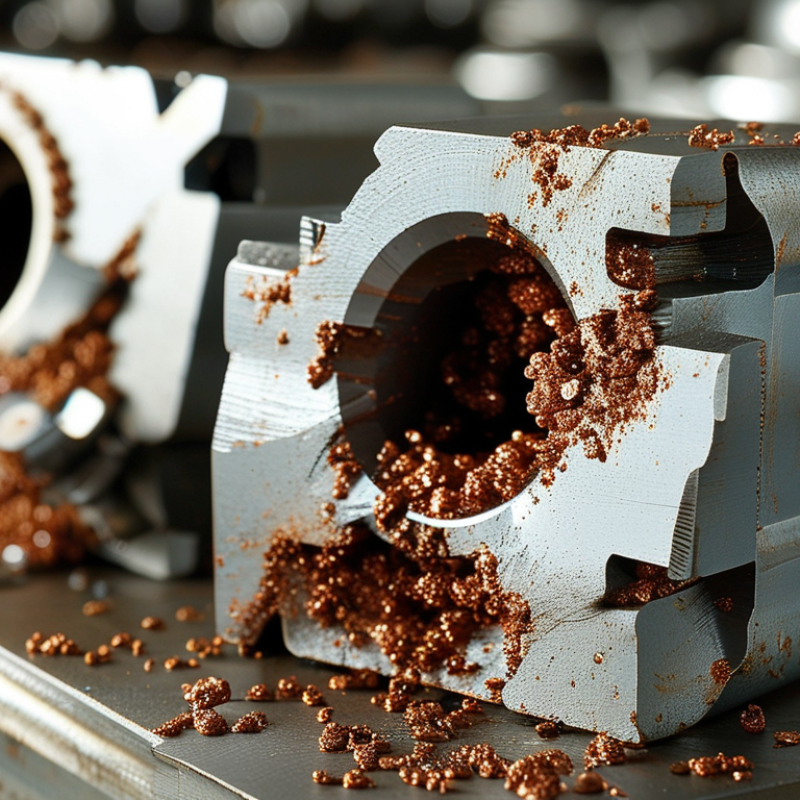
Cold heading dies are crucial for manufacturing precision fasteners. Proper maintenance can significantly extend their lifespan. Regular cleaning is essential. Remove debris and metal shavings after each use. Neglecting this can lead to die wear and tear. Use a soft brush or compressed air for effective cleaning.
Lubrication plays a vital role in die maintenance. Applying the correct lubricant reduces friction and wear. Over-lubrication can be just as harmful, causing dirt accumulation. Inspect lubrication levels frequently to ensure optimal performance. It’s worth taking the time to develop a lubrication schedule based on usage.
Monitor die alignment during operation. Misalignment can result in uneven wear and product defects. Operators should be trained to detect and correct misalignment early. Tracking die performance metrics also helps identify issues. Documenting these can provide insight into common problems, aiding future improvements. Regular maintenance doesn’t just enhance die performance; it ensures productive operations.
Top 10 Cold Heading Die Tips for Global Buyers - Maintenance Practices for Longevity of Cold Heading Dies
| Tip No. |
Maintenance Practice |
Description |
Frequency |
| 1 |
Regular Inspection |
Inspect dies for wear and damages to prevent failures. |
Monthly |
| 2 |
Lubrication |
Ensure proper lubrication to reduce friction and wear. |
Weekly |
| 3 |
Cleaning |
Clean dies after usage to remove debris and contaminants. |
After Each Use |
| 4 |
Temperature Control |
Maintain optimal operating temperatures to prevent thermal fatigue. |
Continuous |
| 5 |
Proper Fitment |
Ensure dies fit correctly in machines to avoid misalignment. |
Before Each Use |
| 6 |
Monitor Production Rates |
Track production rates to detect changes indicating die wear. |
Daily |
| 7 |
Use Correct Materials |
Select appropriate materials based on the application to enhance die life. |
N/A |
| 8 |
Regular Training |
Provide training for operators on die handling and maintenance. |
Biannually |
| 9 |
Store Properly |
Store dies in a dry, clean environment to prevent rust and degradation. |
As Needed |
| 10 |
Record Keeping |
Keep detailed records of maintenance activities and die conditions. |
Ongoing |
Common Mistakes to Avoid When Purchasing Cold Heading Dies
When purchasing cold heading dies, many buyers overlook common pitfalls. Understanding the specifications requires expertise. Familiarizing yourself with die design is vital. Many buyers make assumptions about material qualities, which can lead to costly errors. A study from the International Cold Forging Association shows that over 30% of die failures stem from material misjudgments.
Tip: Always verify the hardness and wear resistance of materials. This prevents premature die failure and ensures longer service life. Additionally, lack of clear communication with suppliers can create issues. Failing to define the application requirements upfront is often a costly mistake. According to a recent report, over 25% of dissatisfied buyers cite unclear specifications as a major reason for their product failure.
Tip: Request detailed technical support during the purchasing process. Engage with experts to ensure the right choice. Poor understanding can lead to unexpected downtime and increased production costs. Investing time in vendor research can save money in the long run.
Develop a checklist of key features to focus on, ensuring your investment is sound. Remember, informed decisions lead to reliable outcomes.