Top Quality Forged Aluminum Parts Supplier in China?
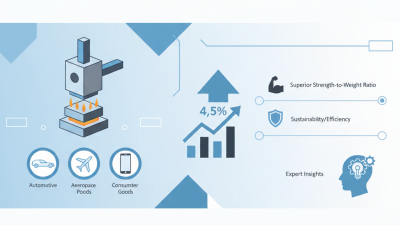
When searching for a reliable supplier of Forged Aluminum Parts in China, quality and expertise play vital roles. The demand for such parts spans diverse industries, from automotive to aerospace. High-quality forging processes ensure optimal strength and durability.
Finding the right supplier, however, can be challenging. Some companies may lack the necessary certifications or experience. A trusted supplier should demonstrate not only skill but also a deep understanding of the forging process. It's essential to prioritize both quality assurance and customer support.
Moreover, the landscape of suppliers is vast and varied. Not all manufacturers can deliver consistent results. Engaging with manufacturers who have a strong reputation in the industry is crucial. This helps ensure that clients receive dependable and top-notch Forged Aluminum Parts tailored to their needs.
Understanding the Forged Aluminum Parts Manufacturing Process in China
The manufacturing process of forged aluminum parts in China is intricate and detailed. It begins with quality raw materials. Aluminum billets are carefully selected based on their properties. This choice affects the final product's strength and weight. After selecting, the billets are heated to a specific temperature for forging.
During forging, the heated aluminum is shaped using powerful presses. This process enhances its grain structure, leading to superior mechanical properties. It requires expert knowledge to control the temperature and pressure accurately. Each step must be monitored closely. Even minor deviations can impact the final product’s quality.
Post-forging, parts undergo various finishing processes. These can include machining, surface treatment, and quality inspection. Skilled technicians play a crucial role during these stages. They ensure that each part meets stringent specifications. Despite the advanced processes, challenges remain. Some manufacturers may struggle with consistency in quality. Continuous improvement is essential in this competitive market.
Forged Aluminum Parts Production in China (2023)
This chart illustrates the production volume of different types of forged aluminum parts in China for the year 2023. The data represents the estimated units produced across various industries including automotive, aerospace, and consumer electronics.
Key Benefits of Using Forged Aluminum Parts in Various Industries
Forged aluminum parts offer numerous advantages across various industries. Their enhanced strength-to-weight ratio makes them an ideal choice for automotive, aerospace, and construction applications. According to a report by Grand View Research, the global forged aluminum market is projected to reach $67.54 billion by 2027. This growth highlights the increasing reliance on forged aluminum components for improved performance.
One striking benefit is the durability of forged aluminum. Parts manufactured through forging processes often exhibit fewer defects compared to cast alternatives. Research shows that forged parts can have tensile strength up to 25% higher than cast ones. This characteristic is crucial in industries where safety and reliability are paramount, like aviation. However, achieving the perfect balance in alloy composition requires skilled engineers and careful attention.
Using forged aluminum also supports sustainability goals. These parts are recyclable, significantly reducing waste. Despite this, the forging process can be energy-intensive, leading to questions about its environmental impact. Industries must navigate this complexity, weighing performance benefits against production footprints. The landscape is evolving, urging manufacturers to seek more efficient and sustainable practices.
Top Quality Forged Aluminum Parts Supplier in China? - Key Benefits of Using Forged Aluminum Parts in Various Industries
| Industry |
Key Benefits |
Common Applications |
Material Characteristics |
| Aerospace |
High strength-to-weight ratio |
Aircraft frames, engine components |
Excellent fatigue resistance |
| Automotive |
Improved durability and performance |
Engine parts, suspension components |
Excellent corrosion resistance |
| Electronics |
Enhanced thermal conductivity |
Heat sinks, enclosures |
Lightweight yet robust |
| Construction |
Higher load-bearing capacities |
Frameworks, structural components |
Excellent dimensional stability |
| Marine |
Resistance to harsh environments |
Boat hardware, engine housing |
Lightweight and resilient |
Leading Suppliers of Forged Aluminum Parts in China: Market Share Analysis
China has emerged as a leading source for forged aluminum parts, capturing significant market share globally. These parts are popular in various industries, including automotive, aerospace, and engineering. The increased demand for lightweight yet strong materials drives this growth. Many suppliers focus on improving production techniques to enhance the quality of their offerings.
The competition among suppliers is intense. Some are highly efficient, while others lag in innovation and quality control. This disparity can affect overall market reputation. Customers may struggle to find reliable partners if they do not thoroughly evaluate a supplier's expertise and track record. Understanding each supplier's strengths and weaknesses is essential for making informed decisions.
Detailed analysis of the suppliers reveals variability in their capabilities. Some excel in producing custom parts, while others specialize in large volumes. Factors like production capacity, quality certifications, and customer feedback should guide purchasing choices. Not all suppliers maintain consistent standards, so careful selection is critical. Potential partners must demonstrate their commitment to quality and customer satisfaction.
Quality Control Standards for Aluminum Forgings: An Industry Overview
Quality control is crucial in the production of aluminum forgings. It ensures the reliability and durability of each part, which is essential for various industries. To achieve high standards, suppliers need to implement strict guidelines throughout the manufacturing process. This includes sourcing high-quality aluminum, maintaining consistent processing temperatures, and utilizing advanced forging techniques.
Inspection plays a vital role in quality control. Each aluminum forging must undergo rigorous testing. This includes dimensional checks, visual inspections, and mechanical property evaluations. Suppliers must also keep detailed records of these tests. However, not all manufacturers maintain the same level of vigilance. Some may overlook essential checks, leading to potential defects. This lapse can significantly affect the end product's performance.
Moreover, industry standards like ISO certifications can provide a framework for quality management. However, the challenge remains in ensuring compliance across all phases of production. Continuous training for workers and regular audits can help to enhance quality control practices. Suppliers should not hesitate to reassess their methods regularly. A commitment to improvement is key in maintaining high-quality standards in aluminum forging.
Comparative Cost Analysis: Forged vs. Cast Aluminum Parts in China
When considering aluminum parts, the choice often comes down to forged versus cast options. Forged aluminum parts are created through a process that compresses the metal under high pressure. This results in a denser, stronger material. On the other hand, cast aluminum parts are shaped by pouring molten metal into molds. This method can be less expensive but may sacrifice strength and durability.
The cost analysis reveals significant differences. Typically, forging processes require more energy and equipment, making them pricier. However, the enhanced strength of forged parts can lead to lower failure rates. When evaluating long-term value, forged options might save costs on repairs and replacements. Cast parts, despite their lower upfront costs, can wear out more quickly.
In choosing between the two, one must weigh the initial investment against long-term benefits. Quality and application matter greatly. Understanding the intended use of the parts can guide the decision. Forged aluminum may be the better choice for high-stress environments, but for less demanding applications, cast aluminum could meet the necessary standards at a lower price, albeit potentially leading to more frequent replacements.