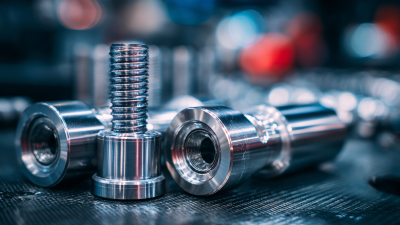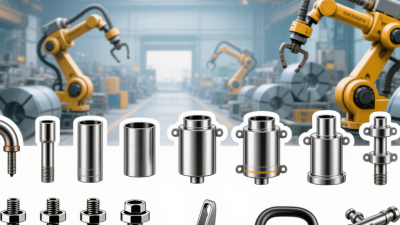
Stainless Steel Auto Parts are used wherever vehicles need strength, corrosion resistance, and stable performance under heat. They appear in exhaust systems, catalytic-converter housings, fuel lines, fasteners, brackets, sensors, and selected suspension components. A polished exhaust pipe is an obvious example. Less visible parts, such as clamps and heat shields, also protect nearby systems from moisture and extreme temperatures.
The demand is significant. The International Organization of Motor Vehicle Manufacturers reported global production of about 93.5 million vehicles in 2023. Each vehicle contains many metal components, although stainless steel competes with aluminum, coated carbon steel, plastics, and advanced composites. The World Stainless Association reported global stainless-steel production of approximately 58.4 million tonnes in 2023. Automotive applications represent only part of this volume, but the figure shows the material’s broad industrial foundation. Stainless grades, including 304 and 316, are selected according to temperature, chemicals, road salt, and forming requirements. Grade choice matters.
Electrification is changing the application map. The International Energy Agency reported more than 14 million electric cars sold worldwide in 2023. Electric vehicles may use fewer exhaust components, yet they still require corrosion-resistant fasteners, thermal-management parts, battery enclosures, and structural hardware. The exact material mix differs by model and supplier. That is easy to overlook. In practice, engineers balance service life, weight, weldability, cost, and recyclability rather than choosing stainless steel automatically. This article examines where Stainless Steel Auto Parts are used, why manufacturers specify them, and where their advantages may not justify the additional cost. Industry reports provide scale; real component performance still depends on testing, design, and maintenance.
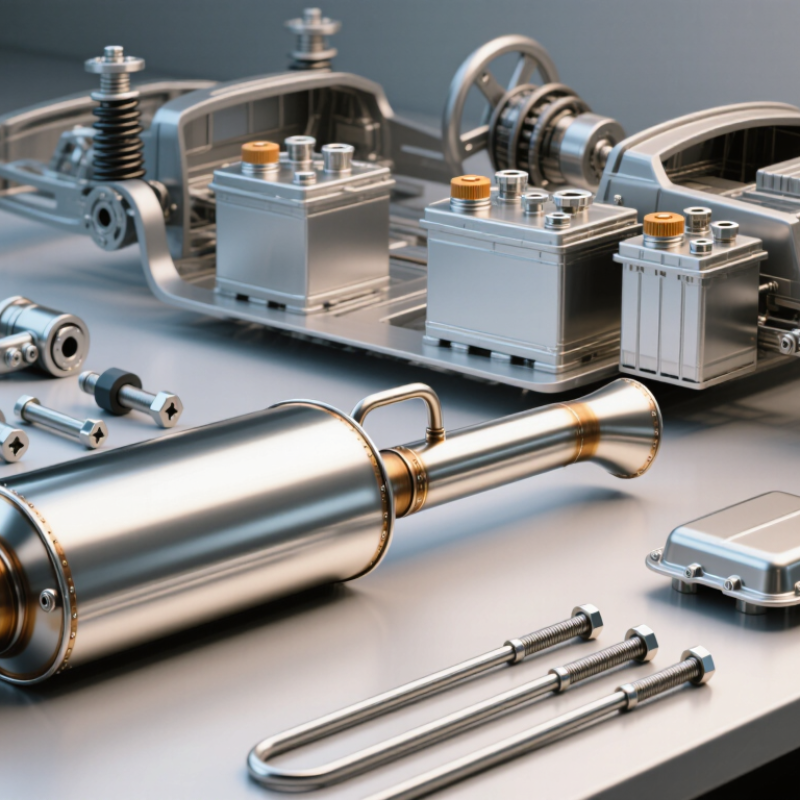
Stainless steel auto parts are components made from steel alloyed with at least 10.5% chromium. This chromium forms a thin passive film that limits rust and surface damage. Common grades also contain nickel, molybdenum, or manganese. For example, an austenitic grade may contain about 18% chromium and 8% nickel, according to ISO 15510 chemical composition data.
These properties explain its use in exhaust pipes, clamps, fasteners, brackets, fuel-system lines, and heat shields. Stainless steel tolerates road salt, moisture, vibration, and repeated heating cycles. It also offers useful strength and wear resistance. The World Stainless Association reported approximately 58.4 million tonnes of crude stainless steel production in 2023. That figure reflects broad industrial demand, including transportation applications. In exhaust systems, stainless parts can resist condensation and acidic deposits better than ordinary carbon steel.
Stainless steel is not indestructible. Its density is near 7.9 g/cm³, so it can weigh more than aluminum alternatives. Poor welding, trapped moisture, or contact with dissimilar metals may still cause staining or localized corrosion. A practical inspection should check weld discoloration, crevices, thread damage, and surface pitting. The International Stainless Steel Forum identifies surface condition and correct grade selection as important factors in corrosion performance. This is where design decisions become less perfect: a cheaper grade may work briefly, but fail sooner in salty or high-temperature conditions.
What Is Stainless Steel Auto Parts Used For?
Main Types of Stainless Steel Auto Parts
Stainless steel auto parts are valued for strength, heat resistance, and protection against rust. Common types include exhaust pipes, mufflers, heat shields, brackets, clamps, bolts, and suspension fasteners. Exhaust components face hot gases, road salt, water, and repeated temperature changes. Stainless steel helps them survive these conditions longer than ordinary steel.
Different parts require different stainless steel grades. Heat-resistant grades suit exhaust systems, while tougher grades work well for bolts and structural brackets. Door trim and small engine fittings may use stainless steel for a clean appearance and easier maintenance. In practical inspections, I look for weld quality, smooth edges, correct thickness, and signs of galvanic corrosion near aluminum parts. A shiny surface can mislead. Poor design still fails.
Tips: Match the steel grade to the part’s temperature and load. Check threads before installation. Avoid mixing metals without suitable protection. Clean road salt from exposed components regularly. A small crack matters. Also, do not choose parts by appearance alone; fit, certification, and measured dimensions are more reliable. I have seen attractive hardware loosen because its thread length was wrong. That detail is easy to miss, even during careful repair work.
| Main Auto Part Type | Typical Stainless Steel Grades | Primary Use | Why Stainless Steel Is Used | Key Performance Requirements |
|---|---|---|---|---|
| Exhaust Pipes and Tubing | 409, 439, 304 | Routes exhaust gases from the engine toward the catalytic converter, muffler, and tailpipe. | Resists oxidation, road salt, moisture, and high-temperature exhaust conditions. | Heat resistance, corrosion resistance, weldability, and resistance to thermal cycling. |
| Mufflers and Resonators | 409, 439, 304 | Reduces exhaust noise and helps control the sound characteristics of the exhaust system. | Provides durable protection against condensation, acidic exhaust gases, and heat. | High-temperature durability, formability, fatigue resistance, and corrosion protection. |
| Exhaust Manifolds and Headers | 304, 321, heat-resistant stainless grades | Collects exhaust gases from multiple engine cylinders and directs them into the exhaust system. | Maintains strength and oxidation resistance under repeated high-temperature exposure. | Creep resistance, thermal fatigue resistance, strength at elevated temperatures, and reliable welds. |
| Catalytic Converter Shells | 409, 439, 441, 304 | Encloses the catalyst substrate used to reduce harmful exhaust emissions. | Tolerates high temperatures and protects the converter from external corrosion. | Oxidation resistance, dimensional stability, formability, and resistance to vibration. |
| Fuel and Brake Lines | 304, 316, corrosion-resistant stainless tubing | Carries fuel, hydraulic brake fluid, or other automotive fluids between system components. | Offers long-term resistance to moisture, salt, chemical exposure, and internal corrosion. | Pressure resistance, leak prevention, cleanliness, fatigue strength, and secure joining. |
| Clamps, Brackets, and Fasteners | 304, 316, 430 | Secures exhaust systems, heat shields, hoses, panels, sensors, and other vehicle components. | Reduces rust-related failure and maintains fastening performance in exposed locations. | Mechanical strength, vibration resistance, corrosion resistance, and dimensional stability. |
| Heat Shields | 409, 430, 304 | Protects nearby wiring, fuel lines, body panels, and engine-bay components from exhaust heat. | Reflects and withstands radiant heat while retaining corrosion resistance in underbody areas. | Heat resistance, low weight, formability, stiffness, and resistance to vibration. |
| Decorative Trim and Grilles | 304, 430 | Provides exterior or interior decorative surfaces, grille elements, and protective trim. | Delivers a clean metallic appearance and resists staining, weathering, and surface corrosion. | Surface finish, formability, stain resistance, durability, and ease of cleaning. |
| Sensor Housings and Protective Covers | 304, 316, 321 | Protects sensors and sensitive components from heat, moisture, exhaust gases, and road debris. | Combines corrosion resistance with strength and stability across changing temperatures. | Environmental sealing, heat resistance, dimensional accuracy, and vibration resistance. |
| Engine and Fluid-System Components | 304, 316, 321 | Used in selected pipes, fittings, heat exchangers, and components exposed to fluids or elevated temperatures. | Provides resistance to corrosion, contamination, pressure, and temperature changes. | Chemical compatibility, pressure strength, heat resistance, cleanliness, and long service life. |
Note: The exact stainless steel grade depends on the vehicle design, temperature range, corrosion environment, manufacturing process, and required service life.
What Is Stainless Steel Auto Parts Used For?
How Stainless Steel Parts Are Used in Vehicles
Stainless steel parts support vehicles where heat, moisture, and road salt create constant stress. Exhaust components are common examples. Pipes, clamps, heat shields, and mounting brackets need strong corrosion resistance. A well-made exhaust part can keep its shape near high temperatures. It also reduces rust around exposed joints.
Technicians also use stainless steel for brake lines, fasteners, hose clamps, and underbody shields. These parts face water, dirt, vibration, and repeated temperature changes. Stainless steel brake lines can provide a firm connection when properly formed and secured. Interior trim and exterior details may use it for a clean, durable surface. That choice matters.
Different grades behave differently. Some resist corrosion well but are harder to cut, bend, or weld. Others offer better strength for brackets and structural fittings. Correct thickness, welding quality, and surface finishing are essential. A shiny part is not always a reliable part. It lasts longer.
In practical vehicle maintenance, technicians should inspect seams, bends, and mounting points closely. Small scratches can collect salt and begin localized corrosion. Stainless steel is not completely maintenance-free. This is where the material can disappoint. Proper installation, compatible fasteners, and regular cleaning still matter. Engineers must balance weight, cost, heat resistance, and service life for each vehicle application.
Stainless steel auto parts are used in exhaust components, clamps, brackets, fasteners, and protective trim. They suit areas exposed to moisture, road salt, heat, and frequent washing. However, material selection should begin with the working environment, not appearance. Grade, corrosion resistance, strength, temperature tolerance, and part thickness all matter. A thin part may look neat but deform under vibration or repeated loading.
Tips: Check the operating temperature, water exposure, and expected service life. Match the steel grade to the environment. Inspect welds, edges, and mounting holes carefully. Confirm that the part fits without forcing nearby components. Surface finish also matters, especially where dirt can collect. A smooth surface cleans more easily, but it does not automatically guarantee better performance.
Cost, weight, maintenance, and manufacturing method also influence the decision. Formed parts may reduce weight, while thicker sections can improve rigidity. In practical inspections, poor fit causes trouble faster than minor surface marks. Galvanic corrosion can appear when stainless steel touches a different metal in a wet area. Insulating washers or suitable coatings may help. I have found that buyers sometimes overvalue a bright finish and underestimate vibration. That choice can require earlier replacement. Engineers should review test results, load conditions, and supplier documentation before approval. Availability matters too, because an excellent specification is less useful when replacement parts are difficult to source.
Stainless steel is used for exhaust components, brackets, fasteners, trim, heat shields, and other parts exposed to moisture, heat, vibration, or corrosive road chemicals. Chromium content is an important selection factor because it supports the passive oxide layer that helps stainless steel resist corrosion.
The chart shows approximate chromium-content midpoints for commonly used stainless steel grades. Higher chromium can improve general corrosion resistance, while final material selection also depends on temperature, mechanical strength, weldability, chloride exposure, forming requirements, and cost. Values are representative midpoints of standard composition ranges.