Who Are the Best Forged Steel Parts Manufacturers in 2026?
Choosing the best Forged Steel Parts manufacturers in 2026 takes more than comparing prices or polished catalogs. Buyers need evidence that a supplier can produce consistent parts, control material quality, and meet clear delivery requirements. A forged component may look simple on a drawing. Its reliability depends on details such as billet temperature, die condition, grain flow, and heat treatment.
Metal-forming expert Dr. Taylan Altan’s research offers a useful reminder: repeatable process control is central to dependable manufacturing. Rather than present an unverified quotation as his exact words, this guide applies that principle to supplier evaluation. Ask how each manufacturer monitors forging temperatures, verifies material chemistry, and documents inspection results. Look for specific answers, not broad promises.
The comparison ahead considers technical capability, quality systems, customization, lead times, and communication. It also distinguishes proven production experience from attractive claims that may be difficult to verify. A strong supplier should explain how it handles a small trial order, a worn die, or a dimensional issue discovered during inspection. Those details matter. No ranking can replace your own review of drawings, samples, and records, and even a well-qualified manufacturer can miss a requirement. Use this guide as a starting point for better questions—not as a substitute for due diligence.
What Forged Steel Parts Are and Where They Are Used
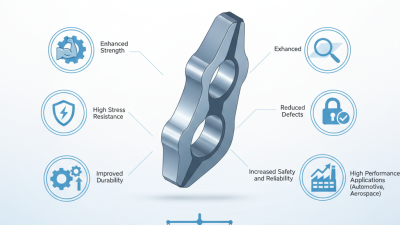
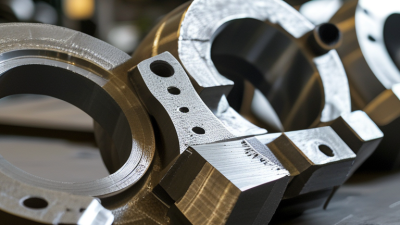
Forged steel parts are metal components shaped under compressive force, usually with a hammer or press. The process forms heated or sometimes cold steel into a required shape. Unlike many cast parts, forgings can have grain flow that follows the component’s contours. This can improve strength under repeated loads, though design and heat treatment still matter. Forging is not a guarantee of flawless parts. Small differences matter.
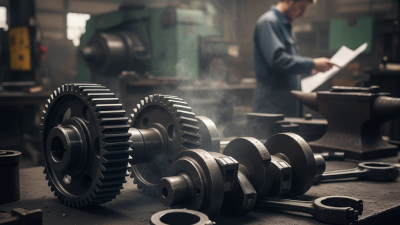
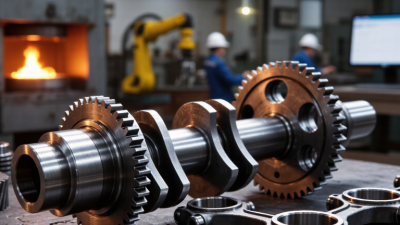
These components appear in crankshafts, connecting rods, gears, shafts, and heavy-duty fasteners. Construction equipment uses forged pins and links that face shock loads and abrasive dust. Rail, mining, and agricultural machinery also rely on parts built for repeated stress. A forged axle may carry a vehicle’s weight while enduring vibration and sudden impacts. The exact steel grade, geometry, and inspection plan should match the service conditions.
When evaluating manufacturers, buyers can ask how material is traced, how dimensions are checked, and which mechanical tests are documented. Visual inspection alone may miss internal issues. Process records and suitable nondestructive testing offer more useful evidence, but they do not replace sound engineering. It is easy to focus on strength numbers and overlook fit, surface finish, or repair needs. Real parts meet real dirt, heat, and maintenance delays.
How Forged Steel Parts Are Made and Evaluated
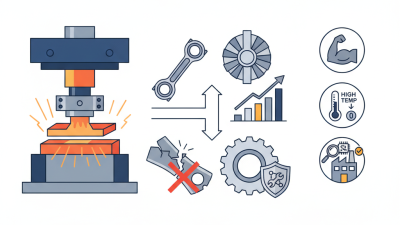
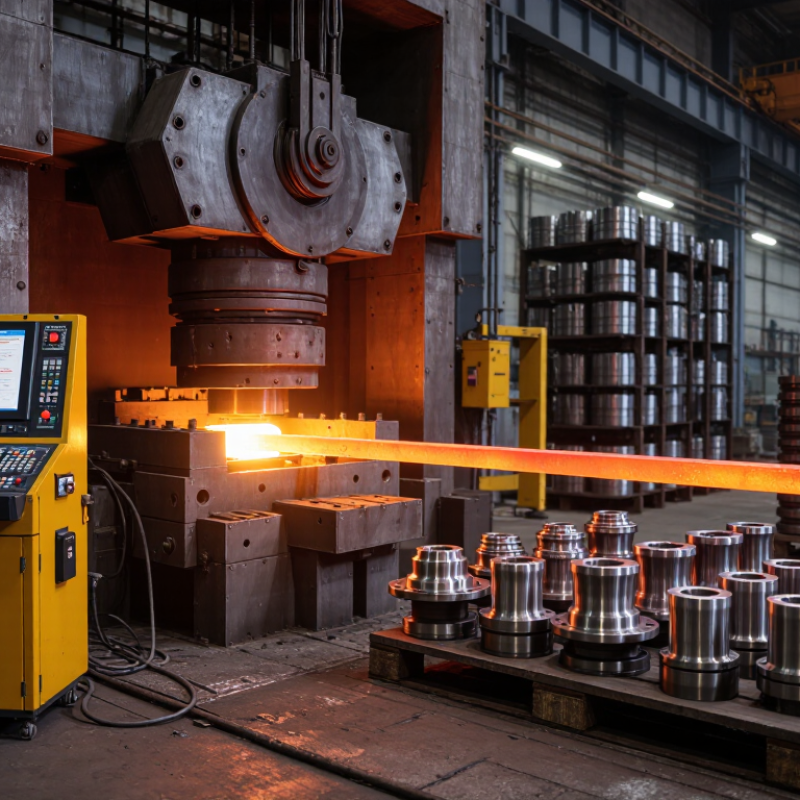
Forged steel parts begin as billets heated until the steel can deform without cracking. A press or hammer drives the hot metal into shaped dies, refining its structure and directing grain flow around important features. The part may then be trimmed, heat-treated, and machined to its final dimensions. Temperature matters. Too much heat can damage the steel; too little can leave incomplete die filling. Those risks depend on the alloy, part geometry, and production controls.
Evaluation starts with the drawing and material requirements. Inspectors check dimensions, surface condition, and hardness against defined limits. Tensile or impact tests can assess mechanical properties, while ultrasonic or magnetic particle inspection may help detect internal or surface flaws. Not every method suits every part. Test choices should reflect service loads, geometry, and the consequences of failure. Material records and inspection results also help connect each component to its production batch.
A capable manufacturer should explain its process, inspection plan, and response to out-of-spec results. Ask how furnaces and measuring tools are monitored, and whether sample parts match the intended design. A polished report is useful, but it cannot replace consistent production evidence. No single test tells the whole story. It is also easy to overfocus on price; repeatability, traceable records, and clear defect handling deserve equal attention. Even then, inspection has limits, so acceptance criteria should be agreed before production begins.
Key Criteria for Comparing Forged Steel Manufacturers
When comparing forged steel parts manufacturers in 2026, look beyond polished capability statements. Ask about experience with parts of similar shape, size, and service conditions. A knowledgeable supplier should explain how steel grade, forging method, grain flow, heat treatment, and machining allowances affect your component. Request material certificates, inspection records, and lot-level traceability. Documents matter.
Check how the manufacturer controls consistency. Ask about dimensional tolerances, defect detection, and whether nondestructive testing suits your part’s risks. Compare capacity and lead times for both initial samples and repeat orders. If possible, observe the shop floor or review furnace records, equipment calibration, and how parts are separated between production lots. A low quote may exclude testing, finishing, or protective packaging. Compare the same scope. Certification can support confidence, but it does not guarantee every part meets your requirements.
Tips: Send a clear drawing, expected quantities, and operating conditions when requesting quotes. Ask suppliers to flag assumptions in writing. Small details, like an unclear corner radius, can change tooling needs and cost. Even experienced buyers sometimes miss these.
Leading Forged Steel Parts Manufacturers in 2026
Leading Forged Steel Parts Manufacturers in 2026
In 2026, leading forged steel parts manufacturers stand out through consistent process control, not impressive claims alone. Forging can improve strength and grain flow, but results depend on material choice, heating, die design, and finishing. Ask how a supplier controls temperature and checks dimensions. Request sample inspection records, material certificates, and clear acceptance criteria. Details matter.
A capable manufacturer should explain which forging method suits the part’s shape, volume, and service conditions. Look for documented checks at key stages, from incoming steel to final machining. Ask about tooling life and how defects are handled. Traceability helps connect a finished component to its production batch. Not every shop excels at every part size. That matters.
Price is only one measure. A low quote may exclude testing, finishing, or packaging needed for reliable delivery. Compare lead times, tolerances, communication, and the supplier’s experience with similar geometries. Review a first-article sample before approving larger production, where practical. No process is perfect. Even good records can miss a changing production issue, so regular reviews and direct technical discussions remain useful. The right partner is the one whose capabilities match the part and whose limits are stated plainly.
How to Select a Manufacturer for Your Application
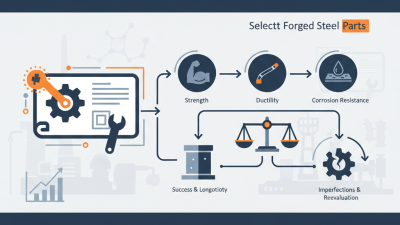
Selecting a forged steel parts manufacturer starts with the part’s real working conditions. Define load, impact, temperature, corrosion exposure, and expected service life before requesting quotes. A crankshaft, lifting hook, and pressure-vessel component need different steel grades, forging routes, and inspection plans. Ask how the supplier controls billet heating, die alignment, grain flow, and heat treatment. These details affect strength and repeatability—not just appearance.
Check the evidence. Request material test certificates, heat-lot traceability, dimensional inspection results, and non-destructive testing records where the application requires them. The World Steel Association’s World Steel in Figures 2025 reports 1,882.6 million tonnes of crude steel production worldwide in 2024. That scale makes material origin and batch controls worth verifying; volume alone says nothing about part quality. A certificate alone is not enough. Review sample reports and confirm they match your drawing and acceptance criteria. Ask for a representative first-article part, then inspect critical dimensions and surface defects yourself. Also compare lead times, minimum order quantities, and capacity for repeat production. One awkward truth: the lowest quote can hide extra machining or inspection costs. Check those assumptions before approval.