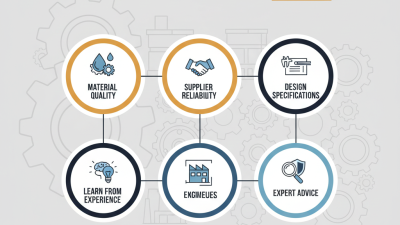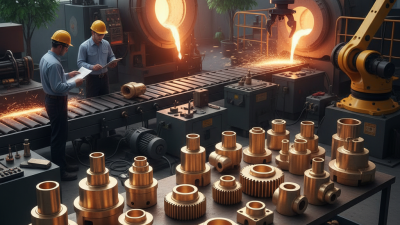
Choosing Brass Forging Parts involves more than selecting a shape from a catalog. The component must suit its working load, operating temperature, fluid exposure, and installation space. A forged brass valve body, for example, may need different properties from a small electrical terminal or plumbing fitting. Small differences matter.
This guide explains how to compare brass grades, forging methods, machining needs, tolerances, and inspection requirements. It also highlights practical questions to ask suppliers, such as whether the quoted dimensions apply before or after machining and what material documentation is available. Clear drawings and realistic specifications can prevent costly revisions, but they do not replace a review of the part’s actual operating conditions.
There is no perfect choice for every project. A higher-strength alloy may not be necessary, while a lower price can bring trade-offs in finish, lead time, or consistency. That balance deserves a closer look. Engineers and buyers should check relevant test records, confirm critical dimensions, and discuss any special requirements before approving production. Even a neat drawing can leave out an important detail, such as a sharp internal corner or a surface that will contact a seal. Reviewing those details early makes comparisons more reliable and helps ensure the selected part fits both the design and the manufacturing process.
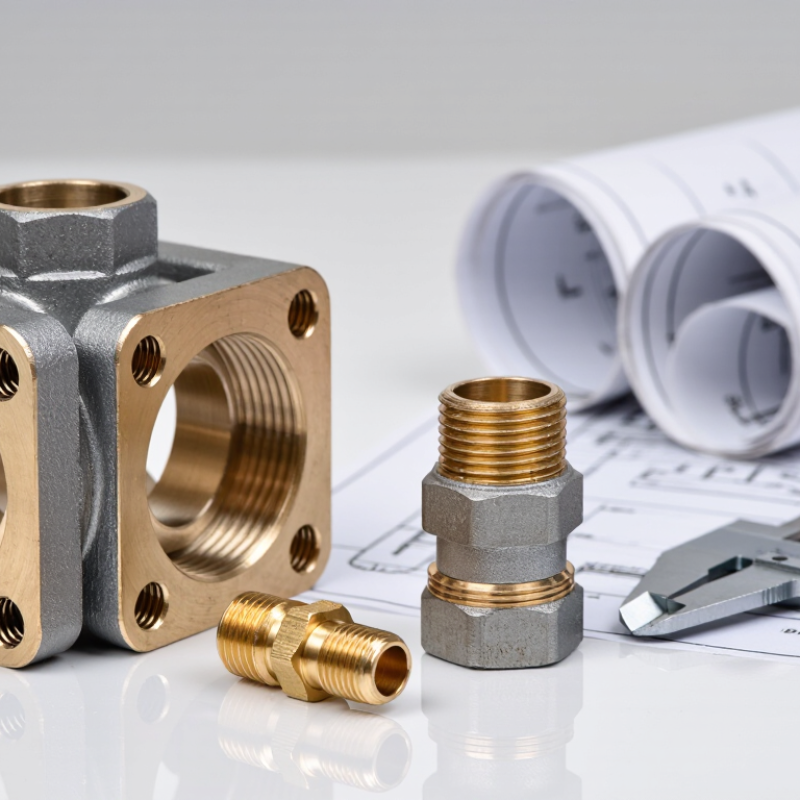
Before selecting a brass forging, define what the part must do and what could make it fail. Record loads, pressure, temperature range, vibration, fluid exposure, and expected service life. A valve body facing steady pressure has different needs from a hinge pin exposed to repeated impacts. Include peak conditions, not only normal operation. Small details matter: a thin wall near a threaded port may distort during forging or crack under repeated loading.
Fit the alloy and shape to those demands. The Copper Development Association’s Copper Alloy Database reports thermal-expansion values for common brasses near 20 × 10⁻⁶ per °C; even modest temperature swings can affect clearances in close-fitting assemblies. Its alloy data also distinguish forging grades from free-machining grades, so a familiar brass designation should not be treated as interchangeable. Check strength, corrosion resistance, machinability, and the forging supplier’s available tolerances against the actual duty cycle. A neat drawing can still hide a poor assumption. I would verify the material condition and finished-part dimensions with the supplier, especially around bores, corners, and sealing faces. Those checks may feel overly cautious, but reworking a misfit part costs time.
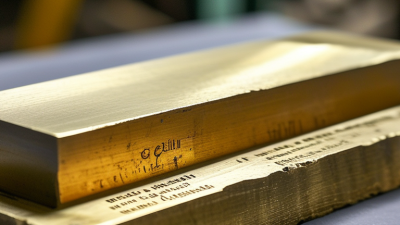
Strength, corrosion resistance, and electrical conductivity can pull alloy selection in different directions. A brass forging that carries a heavy clamp load may not be the best choice for a damp electrical enclosure. Start with the part’s real job: note its loads, operating temperature, fluid exposure, and any current-carrying requirements. Details matter.
Copper-zinc alloys vary, and small additions can change performance. A forging brass such as C37700 is commonly selected for components that need a useful balance of strength, hot-forming behavior, and machinability. For marine exposure, tin-bearing brass may offer better resistance to dezincification, but the full environment still matters. Salt spray, stagnant water, and cleaning chemicals can produce different results. If conductivity is important, check the alloy’s published electrical data rather than assuming all brass performs alike.
I would not choose by strength alone; that shortcut can create costly compromises later. Compare certified material data with the part’s finished dimensions and manufacturing process. Ask how forging direction, heat treatment, and machining affect the properties you need.
Then test a representative part under realistic conditions. Test the actual part.
A datasheet is useful, but it cannot reproduce every joint, surface finish, or exposure cycle in your project.
How to Choose Brass Forging Parts for Your Project?
Match the Forging Method to the Part’s Shape and Dimensions
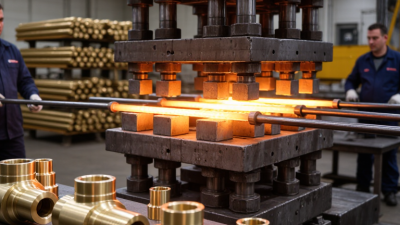
Start with the part’s geometry, not just its maximum length or width. A compact valve body with several faces may suit closed-die forging, especially when production volume can justify dedicated tooling. The die forms the main profile, while machining finishes critical bores and sealing surfaces. For a long, simple bar or a large part made in small quantities, open-die forging may be more practical. Upset forging can suit fittings with a thicker head and narrower shank. Good match. The shape matters.
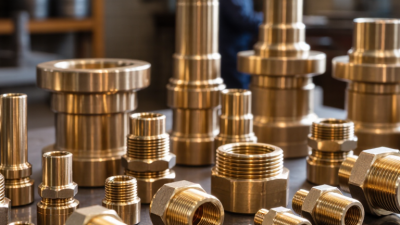
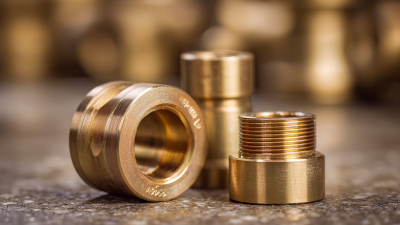
Dimensions affect more than the machine’s capacity. Deep recesses, thin walls, sharp corners, and abrupt changes in section can make metal flow harder to control. For example, a hexagonal fitting with a broad flange may need a parting line and draft that differ from those of a plain coupling. Leave machining stock where accurate threads or flat sealing faces are required. Avoid assuming the forging will reproduce every small detail. That assumption can be costly.
Share the forging supplier a dimensioned drawing, expected quantity, alloy specification, and the surfaces that need tight tolerances. Ask which features will be forged and which will be machined. A drawing can look simple on screen, yet hide a difficult metal-flow problem. Even a careful early estimate can be off; a design review or sample run can reveal where dimensions need adjustment.
When selecting brass forging parts, define tolerances from the assembly’s actual needs, not from habit. A shaft that must rotate smoothly needs tighter control at its bearing seat than across a nonfunctional outer face. Ask for dimensional inspection records on critical features, and state how parts will be measured. A tolerance on a drawing is less useful if the supplier and buyer use different datums. Small details matter.
Finishing changes dimensions. Plating, polishing, or machining can affect fit, so specify the required surface and any material allowance before production. For relevant copper-alloy forging stock, ASTM B124 provides requirements for composition and mechanical properties; confirm that the chosen grade and purchase specification suit the part. ASQ quality-cost guidance puts poor quality costs at roughly 15–20% of sales, a broad manufacturing estimate rather than a brass-specific figure. It is a useful reminder to price inspection and process control, not just the unit. A first sample is not proof of stable production; it may hide variation between dies or batches. Ask for traceable material certificates, agreed sampling plans, and acceptance criteria. I would also challenge unnecessarily tight tolerances: they can add machining time without improving function.
When choosing brass forging parts, look beyond a supplier’s equipment list. Ask which forging temperatures, part sizes, and annual volumes they routinely handle. Request inspection records for dimensions, hardness, and surface defects. A sample part can reveal flash, rough edges, or inconsistent machining allowances before a full order begins. Ask for evidence.
Lead time should include more than the days spent forging. Confirm how long tooling, material procurement, first-article approval, machining, and finishing will take. Request a schedule with dated milestones, not just one delivery estimate. If your project has a fixed installation date, discuss a small buffer for rejected samples or transport delays. That matters. A fast promise is not useful if it leaves no room for correction.
Compare total cost, not only the unit price. Include tooling charges, setup fees, inspection, secondary machining, packaging, freight, and likely scrap. Ask what assumptions the quotation uses, such as order quantity and acceptable tolerances. It is tempting to choose the lowest number, but a cheaper forging may need more finishing or arrive later. Even a detailed quote can miss a cost; review it against your drawing and production plan, then confirm any unclear item in writing.