What Are the Top Types of Forged Aluminum Parts?
Forged Aluminum Parts are valued for their strength-to-weight ratio, fatigue resistance, and ability to take demanding shapes. They appear in automotive suspension systems, aerospace structures, industrial machinery, and marine equipment. The category is broad: a forged control arm faces different loads and design limits from an aircraft fitting or a high-performance wheel. That distinction matters. “Top” can mean widely used, technically demanding, or especially important to a particular industry.
Market context helps explain the interest, but it does not identify component rankings by itself. The International Energy Agency’s Global EV Outlook 2024 reports nearly 14 million electric car sales worldwide in 2023, about 18% of total car sales. That shift increases attention to vehicle mass and component efficiency; it does not prove that forged aluminum parts are replacing other materials in every application. The USGS Mineral Commodity Summaries 2024 estimates global aluminum production at roughly 70 million metric tons in 2023, showing the scale of the material supply chain, not the share used for forgings. A useful comparison must look beyond headlines.
This guide examines common types by application, including suspension and steering components, drivetrain parts, wheels, and aerospace fittings. It considers where forging can support strength and reliability, while noting that design, alloy, heat treatment, and machining all affect performance. Numbers can mislead. Public reports rarely separate forged parts from other aluminum products, so precise rankings are difficult to verify. That limitation deserves attention. The sections ahead offer a practical map of the major categories and the trade-offs behind their use.
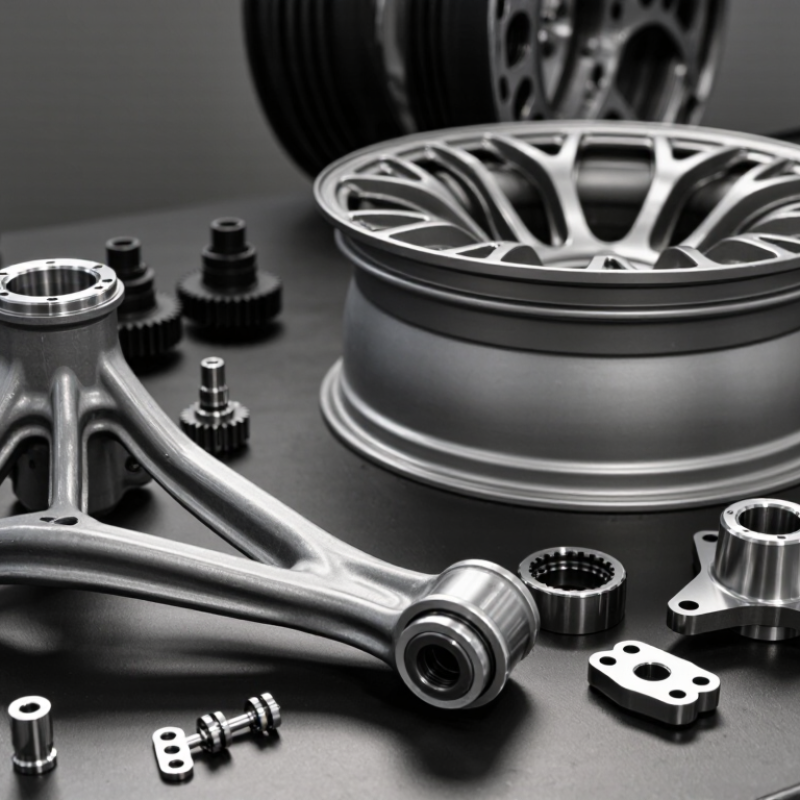
Forged Aluminum Billets, Blocks, and Blanks
What Are the Top Types of Forged Aluminum Parts?
Forged Aluminum Billets, Blocks, and Blanks
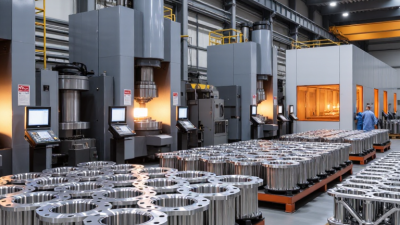
Billets, blocks, and blanks are common starting forms for forged aluminum parts. A billet is usually a length of stock cut to suit a planned component. Blocks are larger, often rectangular sections used when the finished part needs more material. A blank is a shaped preform, closer to the component’s outline. Terminology can vary between suppliers, so confirm dimensions and material condition before ordering.
The right form affects machining time, material waste, and how metal flows during forging. A simple billet may suit a compact part with a fairly even cross-section. A block gives room for broad, uneven shapes, but can leave more excess material to remove. Blanks can reduce machining, though their shape must match the forging process. Small design details matter. A sharp corner, for example, may complicate metal flow or require extra finishing.
Tips: Share a drawing with key dimensions, tolerances, and expected production volume. Ask how the stock form is prepared and what inspections are included. Check for surface damage and confirm traceable material records. Don’t assume a near-net blank always saves money; tooling and setup can outweigh reduced machining. That trade-off deserves a second look.
Forged Aluminum Discs, Hubs, and Wheels
Forged aluminum discs are flat, circular blanks used in brake rotors, machinery, and other rotating assemblies. A press shapes heated aluminum under high force, aligning its internal grain flow with the part’s form. Compared with many cast parts, a well-made forging can offer strong, consistent material with fewer internal voids. That still depends on alloy, heat treatment, and inspection. Details matter.
Hubs connect wheels to axles and carry loads through bearing seats and bolt holes. Forging can help create a dense structure around these highly stressed areas, while machining establishes precise fits and smooth contact faces. A technician may check dimensions, surface condition, and runout before installation. Small deviations can cause vibration or uneven bearing wear. Not ideal.
Forged aluminum wheels combine a shaped center, spokes, and rim into a lightweight rotating component. Their reduced mass can help suspension response, but weight alone does not establish strength or safety. Spoke geometry, impact resistance, fatigue testing, and the intended load rating all matter. Inspecting a wheel after a hard impact is sensible, even when damage is not obvious. Engineering choices are rarely perfect: a lighter design may leave less material in some areas, so the specified application and test data should guide selection.
What Are the Top Types of Forged Aluminum Parts?
Forged Aluminum Discs, Hubs, and Wheels
Typical Material Density
Forged aluminum discs, hubs, and wheels are valued in part for aluminum’s low density. The chart compares approximate material densities—not finished-part weights. Actual component weight varies with alloy, dimensions, and design.
Reference densities: aluminum alloys ≈ 2.70 g/cm³, titanium ≈ 4.51 g/cm³, and carbon steel ≈ 7.85 g/cm³.
Forged Aluminum Rings, Flanges, and Shafts
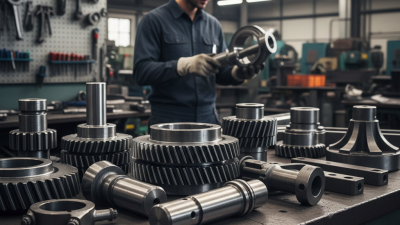
Forged aluminum rings, flanges, and shafts serve different jobs, but each depends on controlled metal flow and sound heat treatment. A ring may support a bearing or rotating assembly. Ring rolling can create a continuous circumferential grain pattern, though the final fatigue performance still depends on alloy, defects, and machining. Flanges join pipes or housings, where flat faces and accurate bolt holes matter. Shafts carry torque; their shoulders, keyways, and diameter changes deserve close attention because stress can concentrate there. Small details matter.
The International Aluminium Institute reported about 70.6 million tonnes of global primary aluminium production in 2023. This is useful supply-chain context, not a measure of forged-part output or quality. For buyers, specify alloy and temper alongside dimensions, inspection criteria, and intended loads. Ask how grain flow is oriented around a ring or along a shaft, and how flange faces are checked after machining. A polished drawing can still hide a poor load path. Forging does not erase design mistakes. Nor does one alloy fit every application; corrosion exposure, operating temperature, fatigue cycles, and weight limits all influence selection. Forged parts can offer strength and material efficiency, but only when the process and inspection match the service conditions.
Structural Forgings for Aerospace and Transportation
Structural aluminum forgings help carry loads through aircraft and transportation structures. Common examples include airframe brackets, ribs, and fittings, along with suspension arms and steering components. These parts often face repeated vibration, impact, or changing loads. Forging can align the metal’s grain flow with a component’s shape, supporting strength in carefully designed areas. It does not make every part automatically stronger. Geometry and process control still matter.
Tips: Match the forging method to the part’s size and shape. Check alloy, heat treatment, and grain direction against the expected loads. Ask how critical surfaces and internal defects will be inspected. Small details matter.
For aerospace components, low weight and predictable performance are important, but designs also need clear inspection criteria. Transportation parts may need to tolerate road shock, moisture, and long service cycles.
Machining can expose surfaces that require close review, especially around holes and transitions. Sharp corners can concentrate stress; generous radii may help, when the design allows them. A useful specification describes loads, finish, tolerances, and inspection needs. Some requirements may compete, and that deserves an honest review before production.
Heavy-Duty Forgings for Machinery and Energy Systems
What Are the Top Types of Forged Aluminum Parts?
Heavy-Duty Forgings for Machinery and Energy Systems
In heavy machinery, forged aluminum parts often include shafts, hubs, rings, and load-bearing brackets. These shapes handle repeated motion and vibration in equipment such as pumps, compressors, and industrial drives. Forging aligns the metal’s grain flow with the part’s shape, which can improve strength compared with many cast components. The exact benefit depends on alloy, design, and heat treatment. Details matter.
Energy systems also use forged flanges, support frames, and selected housings where weight and mechanical durability both matter. A well-designed flange can help maintain a stable connection under changing loads. Forged parts are not automatically suitable for every high-temperature location, though. Engineers need to check operating temperature, corrosion exposure, fatigue loads, and connection requirements. I’ve seen weight reduction treated as the main goal; that can miss the real service conditions.
Tips: Match the forging process to the part’s geometry and expected loads. Ask for material and inspection records, and check critical dimensions before assembly. A small fit issue can become a costly maintenance problem.